Slovak President Pellegrini backs EU, NATO, eyes India and China ties
Synopsis
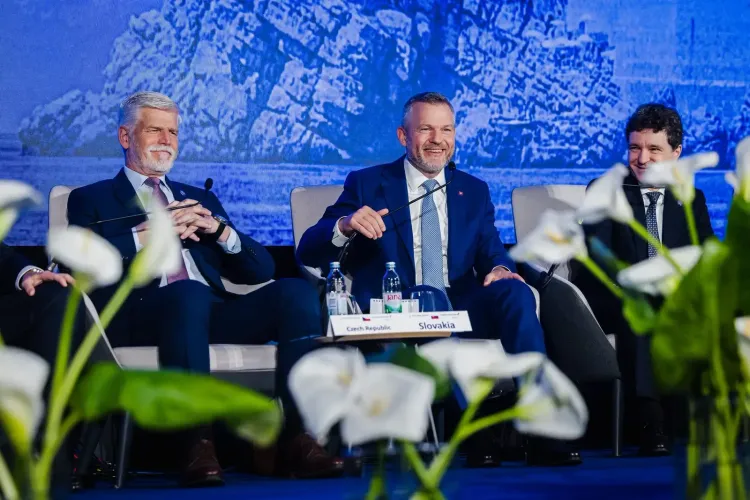
Slovak President Peter Pellegrini used his State of the Republic address to walk a careful line: reaffirming EU and NATO membership while openly courting India and China as economic partners and calling for a diplomatic — not military — end to the Ukraine conflict. The speech captures a Central European balancing act that is becoming increasingly common as transatlantic solidarity frays.
Key Takeaways
Slovak President Peter Pellegrini reaffirmed EU and NATO membership as irreplaceable for Slovakia's security and prosperity on 16 September 2026 .
He explicitly named India and China as countries offering 'significant potential' for Slovakia's open economy.
Pellegrini expressed regret over the decline of transatlantic cooperation and the EU's slow response to shifting global dynamics.
He called for the EU to prioritise collective action, internal and external security, and energy price reductions among member states.
On Ukraine , he argued that nearly five years of conflict show a diplomatic solution is needed, stating: 'The EU's vision should therefore be to seek a peaceful, rather than a military solution.'
Slovak President Peter Pellegrini on Wednesday, 16 September 2026, reaffirmed Slovakia's commitment to the European Union (EU) and NATO as indispensable pillars of the country's security and economic prosperity, while simultaneously calling for deeper diplomatic and trade ties with a broader range of global partners — including India and China. The remarks were delivered during his State of the Republic address before the Slovak Parliament in Bratislava.
EU and NATO Remain Non-Negotiable
Pellegrini acknowledged that Slovakia holds critical views on how both the EU and NATO function, but argued that no viable alternatives currently exist to replace them. 'Although Slovakia may hold critical views on the functioning of the EU and NATO, there are currently no alternatives that can replace them and guarantee Slovakia's security and economic prosperity,' he stated. The position signals a pragmatic, if measured, endorsement of the existing multilateral architecture — one that distances Bratislava from outright Euroscepticism while leaving room for reform advocacy.
India and China Flagged as Strategic Economic Partners
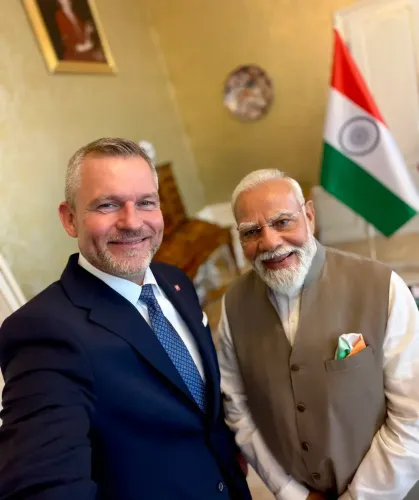
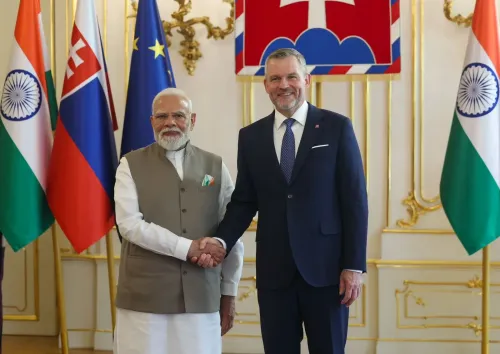
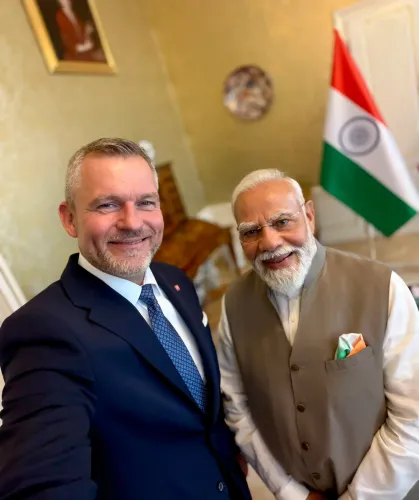
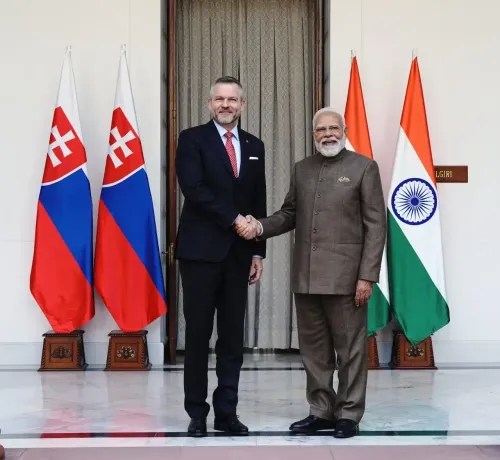
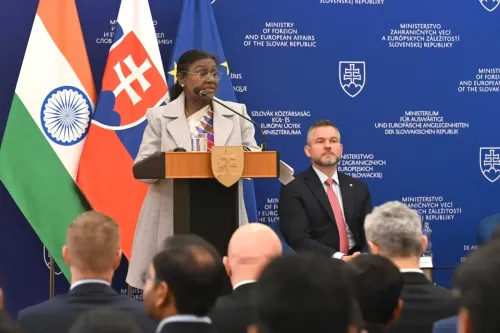
In a notable pivot, Pellegrini pointed to the growing importance of India and China as countries that 'provide significant potential for Slovakia's open economy.' He argued that the rapidly changing international environment demands that Slovakia maintain strong diplomatic and economic ties across the world — not only with its traditional Western partners. The explicit mention of India alongside China signals Bratislava's intent to hedge its economic relationships at a time of shifting global trade patterns.
Concern Over Declining Transatlantic Cooperation
Pellegrini expressed regret over the decline of transatlantic cooperation and what he described as major shifts in the international order — shifts that have, in his assessment, so far failed to prompt the EU to pursue greater efficiency or re-evaluate its strategic priorities. He urged EU member states to focus on strengthening the bloc's capacity for collective action, enhancing internal and external security, and coordinating efforts to reduce energy prices — a concern of acute relevance to Central European economies heavily exposed to energy market volatility.
Ukraine Conflict: Diplomacy Over Military Force
Pellegrini returned to a theme consistent with his government's foreign policy stance, arguing that nearly five years of conflict in Ukraine have demonstrated that a lasting solution must come through diplomacy rather than on the battlefield. 'The EU's vision should therefore be to seek a peaceful, rather than a military solution,' he said. The remarks align Slovakia with a faction within the EU that has grown increasingly vocal about pursuing negotiations, even as other member states continue to back military support for Kyiv.
What Comes Next
Pellegrini's address sets the diplomatic tone for Slovakia's foreign policy heading into a period of heightened European uncertainty, with EU institutional reform debates ongoing and Ukraine peace talks gaining renewed international attention. Whether Bratislava can leverage its outreach to India and China into tangible economic agreements — while managing its obligations within the EU single market — will be closely watched by regional analysts and trade partners alike.
Point of View
Unlike Orbán, stops short of open defiance. The Ukraine remarks are the sharper edge: framing a 'peaceful solution' as the EU's proper vision implicitly challenges the pro-Kyiv consensus at a sensitive moment. What mainstream coverage misses is the energy dimension — Bratislava's push for EU-wide energy price coordination is as much about domestic political survival as grand strategy, and that pressure will only intensify through winter.
NationPress
16 Sept 2026
Frequently Asked Questions
What did Slovak President Pellegrini say about EU and NATO membership?
Pellegrini affirmed that EU and NATO membership remains essential for Slovakia, stating there are currently no alternatives that can guarantee the country's security and economic prosperity. He made the remarks during his State of the Republic address in Bratislava on 16 September 2026.
Why did Pellegrini mention India and China in his speech?
Pellegrini highlighted India and China as countries offering significant economic potential for Slovakia's open economy, arguing that the changing international environment requires Bratislava to diversify its diplomatic and trade relationships beyond traditional Western partners.
What is Slovakia's position on the Ukraine conflict?
Pellegrini argued that nearly five years of conflict in Ukraine demonstrate that a diplomatic solution is preferable to a military one, calling on the EU to pursue peace rather than escalation. This position is consistent with his government's broader stance on the war.
What EU reforms did Pellegrini call for?
He called for stronger EU capacity for collective action, enhanced internal and external security, member-state cooperation to reduce energy prices, and greater efforts to advance peace — particularly on Ukraine. He expressed regret that major shifts in the global order have not yet prompted the EU to re-evaluate its priorities.
What is the significance of Slovakia flagging India as an economic partner?
The explicit mention of India alongside China in Pellegrini's State of the Republic address signals Bratislava's intent to deepen economic ties beyond its traditional Western European partners. For India, it reflects growing recognition of its economic weight among EU member states navigating a more multipolar global order.