Is the Rajasthan Government Set to Streamline Regulations and Cut Unnecessary Compliances?
Synopsis
In a transformative move, the Rajasthan government is on a path to simplify regulations and eliminate unnecessary compliance burdens. This initiative aims to improve business operations and living conditions, making it a significant step toward facilitating growth and transparency in the state.
Key Takeaways
Rajasthan government aims to ease regulatory burdens.
Focus on simplifying rules in key sectors such as construction and land use .
Plans to examine the Andhra Pradesh model for procedural improvements.
Introduction of lifetime registration for shops and commercial establishments.
Single-window clearance system to expedite industrial investment.
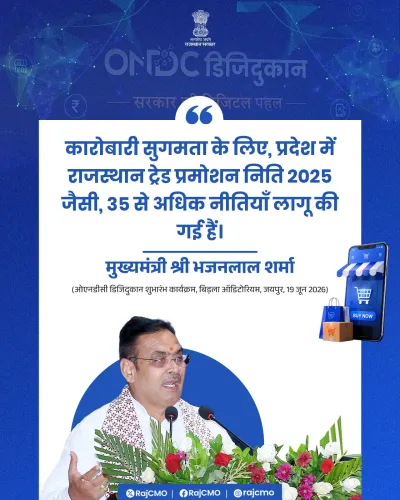
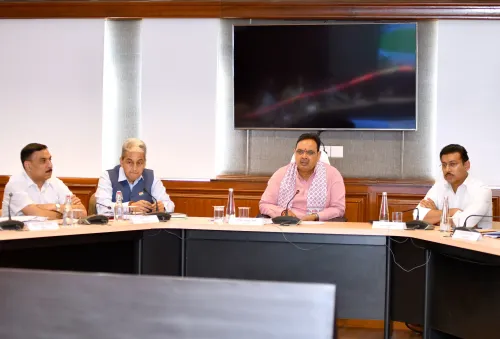
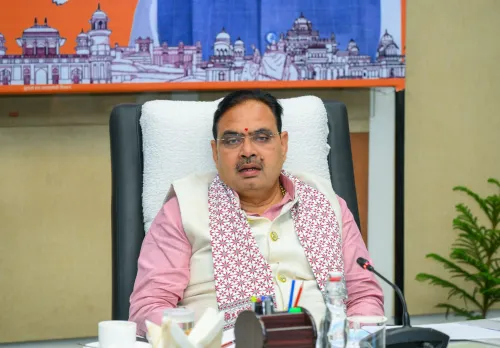
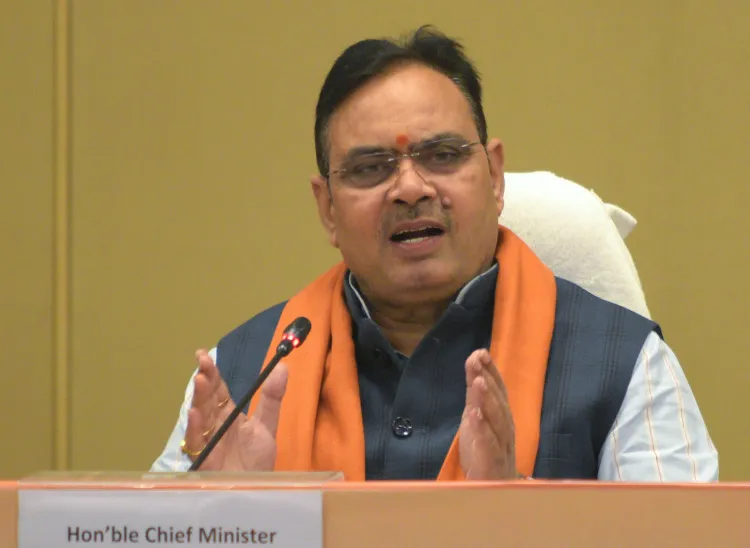
Jaipur, Feb 19 (NationPress) Under the guidance of Chief Minister Bhajan Lal Sharma, the Rajasthan government has embarked on a mission to enhance the ease of doing business and improve living conditions by phasing out excessive compliances and alleviating regulatory pressures on both businesses and citizens, according to an official statement.
Officials reported that the state administration is committed to simplifying rules and procedures in vital sectors such as land use, construction, labor, business licensing, and public utilities. This action plan has been developed under the supervision of Chief Secretary V. Srinivas.
As part of the strategy, the government intends to examine the Andhra Pradesh model to minimize procedural bottlenecks, which includes the removal of land conversion mandates for specific categories of land use.
Amendments to building bylaws and master plans are under consideration to facilitate automatic mixed land-use development, based on the principle that all activities will be allowed unless specifically forbidden. Clearly defined zone-wise lists of prohibited activities will enhance transparency and regulatory clarity.
The administration also plans to liberalize the industrial land allocation policy to maximize the utilization of unoccupied land in industrial zones.
Initiatives to foster affordable housing for workers in industrial regions and to promote public-private partnerships for infrastructure projects, including wastewater treatment facilities and fire safety systems, are also on the agenda. Building bylaws and fire safety regulations will be revised to align with global best practices, including adjustments to height restrictions and setback norms.
To streamline approval processes, designated nodal agencies may serve as single points of contact for building and construction approvals, industrial clearances, and health department licenses.
A working group led by the Additional Chief Secretary (Industries) will be established, comprising representatives from the Energy, Urban Development, Local Self Government, Labor, and Pollution Control Board departments to rationalize business licensing practices and eliminate redundant approvals.
The government is also contemplating lifetime registrations for shops and commercial entities through information-based deemed licensing, along with allowing round-the-clock operations.
Licensing processes for weighing and measuring devices will be simplified, with automatic approvals based on self-declaration and fewer inspections for low-risk categories.
Power distribution companies might also offer electricity connections based on self-declaration to expedite access to essential services.
To boost industrial investment, the single-window clearance system will be enhanced further to shorten project approval durations and prioritize key sectors.
A consolidated state-level directory of government and private testing facilities for micro, small, and medium enterprises (MSMEs) will be established, alongside a centralized digital repository of all state laws, rules, regulations, and government orders to improve accessibility and compliance.
To implement these regulatory reforms thoroughly, the state administration plans to introduce legislation based on a draft from the Central government, incorporating state-specific suggestions prior to seeking approval.
Officials highlighted that the Rajasthan government had previously enacted the Rajasthan Public Trust (Amendment of Provisions) Act to encourage trust-based governance.
Expanding on this initiative, the Rajasthan Public Trust Act 2.0 was introduced in the State Budget for 2026–27 as a component of broader governance and regulatory reforms aimed at enhancing transparency and public engagement.
Point of View
The state aims to attract investment and promote economic growth. This approach is essential in today's competitive landscape, and it is crucial for the government to ensure that these reforms are implemented effectively to achieve their intended outcomes.
NationPress
29 Sept 2026
Frequently Asked Questions
What specific sectors will benefit from the regulatory reforms?
Key sectors include land use, construction, labor, business licensing, and public utilities, as the government aims to simplify rules and procedures in these areas.
How will the proposed changes affect businesses?
Businesses can expect reduced regulatory burdens and faster approval processes, which will enhance operational efficiency and encourage investment.
What measures are being taken to promote affordable housing?
The government plans to encourage public-private partnerships to develop affordable housing for workers in industrial areas.
Will there be any changes to the industrial land allotment policy?
Yes, the government intends to liberalize the industrial land allotment policy to optimize the use of vacant land in industrial clusters.
How will the government ensure transparency in the new regulations?
The government will provide clear zone-wise lists of prohibited activities, enhancing transparency and regulatory clarity.