RSS Urges an End to Caste-Based Voter Analysis in Elections
Synopsis
The RSS's recent assembly concluded with a strong message against caste-based voter analysis, emphasizing social unity and the promotion of equality. This significant decision reflects the organization's commitment to fostering inclusivity in the electoral process.
Key Takeaways
RSS advocates for ending caste-based voter analysis .
Promotes social harmony and unity .
Significant growth in organizational activities .
Emphasis on quality of life improvements .
Decentralization of organizational structure proposed .
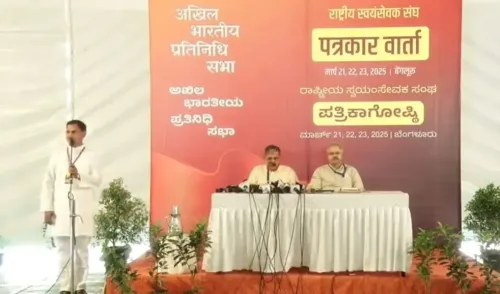
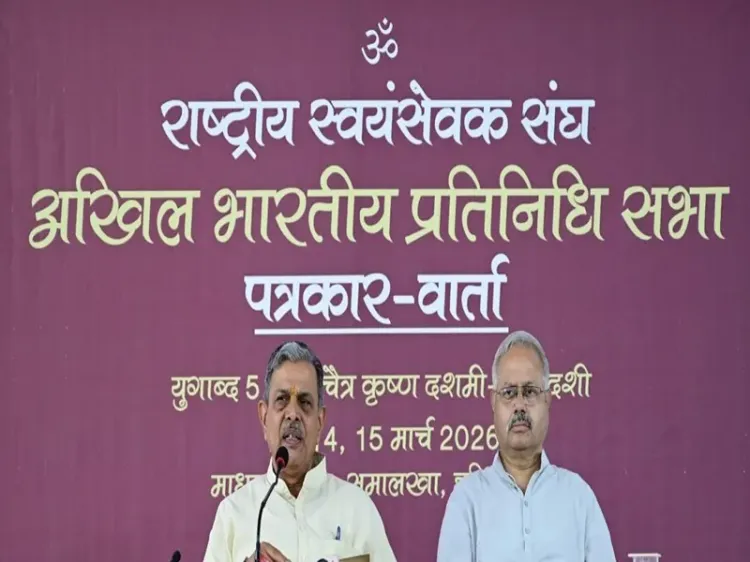
Chandigarh, March 15 (NationPress) The recent three-day session of the Rashtriya Swayamsevak Sangh (RSS) Akhil Bharatiya Pratinidhi Sabha concluded on Sunday, advocating for the elimination of caste-based discrimination and the cessation of caste-based voter demographic analyses during elections.
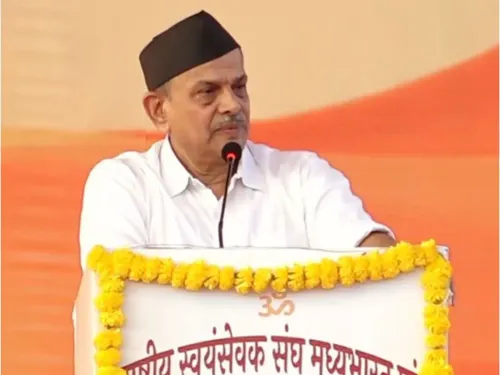
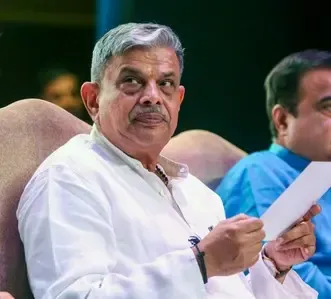
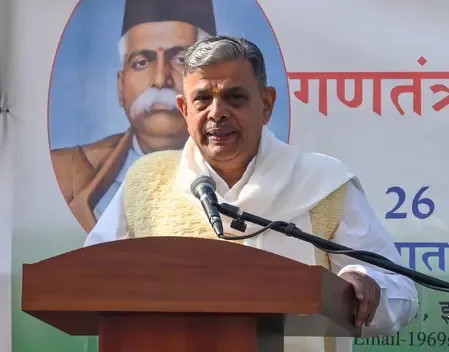
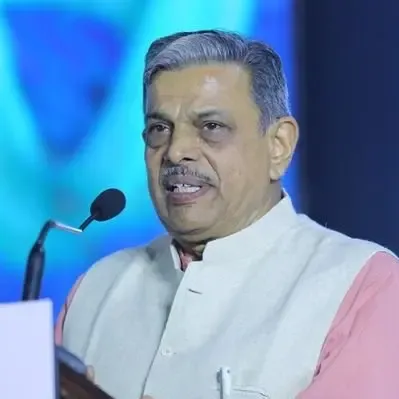
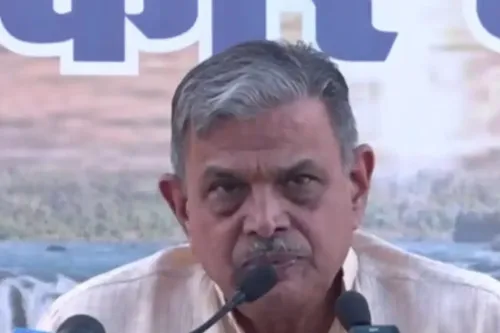
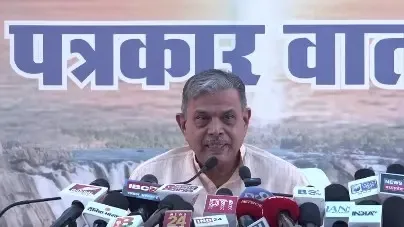
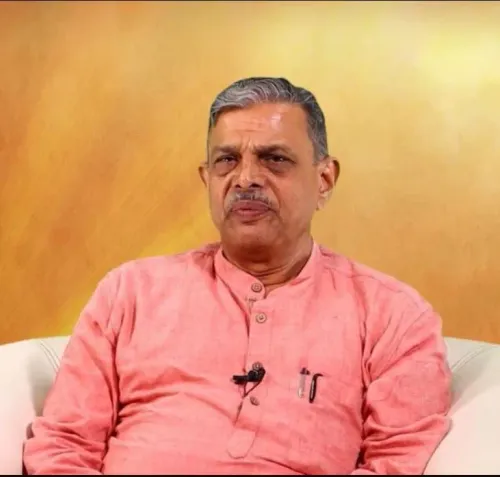
RSS General Secretary Dattatreya Hosabale addressed reporters in Samalkha, located in the Panipat district of Haryana, emphasizing that the Sangh promotes social unity and rejects efforts to fragment society along caste lines.
He commended the government's diplomatic initiatives in light of the ongoing global geopolitical climate, asserting that the Sangh supports global peace and progress.
According to Hosabale, Dr. Keshav Baliram Hedgewar, the founder of the RSS, established the organization without any intention of opposing specific communities, religious groups, or worship practices.
“Differences in worship styles and rituals do not fundamentally divide us,” he stated.
Emphasizing inclusivity within the organization, Hosabale remarked: “We welcome anyone committed to constructive societal progress as a swayamsevak (volunteer) of the Sangh.”
He noted the significant growth in the organization's initiatives over the past year.
“The number of shakhas (branches) has surged by around 6,000, surpassing the 88,000 threshold, while operational locations have expanded to over 55,000. Additionally, the frequency of weekly meetings and study groups has also risen,” he reported.
Hosabale highlighted that the organizational growth is evident in the operation of Sangh shakhas in regions like the Andaman Islands, Arunachal Pradesh, Leh, and remote tribal areas.
“This expansion is reflected through various events marking the Sangh's centenary year,” he added.
Discussing events across the nation, he mentioned a Hindu conference in the Andaman Islands that drew over 13,000 participants from nine islands and was graced by sarsanghchalak Mohan Bhagwat.
“In a sparsely populated state like Arunachal Pradesh, over 37,000 individuals attended 21 conferences focused on indigenous spiritual traditions,” he noted.
According to Hosabale, along with organizational growth, the Sangh is dedicated to enhancing societal quality and character.
“It is vital to foster positive social change through the concept of Panch Parivartan (five transformations). The Indian ethos, or Hindutva, transcends being merely an ideology; it embodies a lifestyle. This lifestyle must elevate the overall quality of society,” he asserted.
He emphasized that society should honor the contributions of distinguished individuals by rising above caste and creed distinctions.
To commemorate the 350th martyrdom anniversary of the ninth Sikh Guru, Guru Tegh Bahadur, RSS volunteers organized over 2,000 events nationwide, attracting over 700,000 participants.
Additionally, the 150th anniversary of the national song 'Vande Mataram' was celebrated with great zeal, he noted.
Providing insights into the Sangh's training initiatives, Hosabale revealed that 96 training camps will be held across 11 zones, including one in Nagpur.
In response to a press inquiry, he stated that the concept of decentralization in the organizational structure was also a topic of discussion.
“This involves a proposal to replace the current 'prant' (provincial) units with smaller administrative units called 'sambhag' (regions). If this is implemented, the existing 46 provinces would transform into more than 80 such regions,” he explained.
The three-day RSS Akhil Bharatiya Pratinidhi Sabha, the organization's top decision-making body, featured participation from 1,489 delegates.
Representatives from 32 affiliated organizations, including BJP national President Nitin Nabin and RSS chief Mohan Bhagwat, also attended the event.
Point of View
The RSS has called for the cessation of caste-based voter analysis, highlighting the need for social cohesion. This reflects a growing recognition of the importance of equality and unity in democratic processes, aligning with broader societal values. The emphasis on inclusivity and constructive engagement marks a significant shift in organizational ideology.
NationPress
23 Sept 2026
Frequently Asked Questions
What is the RSS's stance on caste-based voter analysis?
The RSS advocates for the elimination of caste-based voter analysis, emphasizing the need for social harmony and unity.
How many shakhas does the RSS currently operate?
The RSS operates over 88,000 shakhas, with substantial growth noted in recent years.
What initiatives is the RSS involved in to promote social transformation?
The RSS is focused on enhancing societal quality through initiatives like Panch Parivartan, aimed at inspiring positive social change.
What events has the RSS recently organized?
The RSS organized over 2,000 programs nationwide to commemorate the martyrdom anniversary of Guru Tegh Bahadur, attracting over 700,000 participants.
What changes are proposed in the RSS's organizational structure?
The RSS proposes to decentralize its structure by replacing existing provincial units with smaller regional divisions for better administration.