Russia-US-Ukraine trilateral talks resume in Abu Dhabi for first time since February
Synopsis
For the first time since February, Russia, the US, and Ukraine are sitting across the table in Abu Dhabi — with intelligence chiefs alongside diplomats, suggesting this is more than symbolism. The UAE's capital has quietly become the venue of choice for one of the world's most consequential negotiations, and the composition of delegations signals both sides are treating this round with unusual seriousness.
Key Takeaways
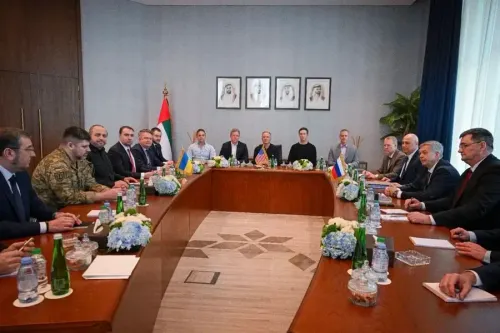
Russia-US-Ukraine trilateral talks resumed in Abu Dhabi on 10 November 2026 — the first such meeting since February .
The Russian delegation is led by presidential aide Vladimir Medinsky and includes deputy foreign ministers and military intelligence chief Igor Kostyukov .
The US delegation includes special envoys Steve Witkoff and Jared Kushner .
Ukraine's side reportedly includes intelligence chief Rustem Umerov and Presidential Office head Kyrylo Budanov .
Ukraine met separately with NATO , EU , and European representatives before the trilateral session began.
Russia's Ryabkov reiterated at an OSCE event that Moscow has no plans to attack any European country, while alleging some European governments are not genuinely seeking an end to the conflict.
A new round of Russia-US-Ukraine trilateral talks got under way on Tuesday, 10 November 2026, in Abu Dhabi, the capital of the United Arab Emirates (UAE) — marking the first three-way meeting among the parties since February. The talks have drawn senior diplomats, intelligence chiefs, and special envoys, signalling a renewed, if cautious, diplomatic push to end the prolonged conflict.
Who Is at the Table
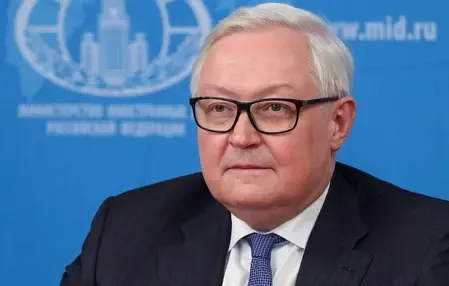
The Russian delegation is led by presidential aide Vladimir Medinsky and includes Deputy Foreign Ministers Sergei Ryabkov and Mikhail Galuzin, as well as military intelligence chief Igor Kostyukov. The composition — combining diplomatic and military intelligence figures — reflects Moscow's intent to treat the discussions as substantive rather than ceremonial.
The US delegation features special envoys Steve Witkoff and Jared Kushner. On the Ukrainian side, the delegation reportedly includes Rustem Umerov, head of Ukraine's Foreign Intelligence Service, and Kyrylo Budanov, head of the Presidential Office, according to Ukrainian presidential communications adviser Dmytro Lytvyn.
What the Delegations Have Said
Speaking ahead of the talks, Ukraine's Umerov said the latest round aimed to achieve lasting peace. Russian side's Medinsky echoed a conciliatory note, stating that ending the war was in the interests of both the Ukrainian and Russian people, according to reports citing the German press agency.
Separately, Deputy Foreign Minister Ryabkov said at an Organisation for Security and Co-operation in Europe (OSCE) roundtable discussion titled 'Militarisation of Europe: What Next?' that Russia has no intention, plans, or reason to attack any European country in the near, medium, or long term. He added that Moscow would be 'forced to respond' if subjected to aggression — language that has become a standard Russian diplomatic formulation.
Ryabkov also alleged that some European governments had no genuine interest in ending the Russia-Ukraine conflict and that the West had pushed Ukraine away from 'reasonable solutions' toward war, according to a statement posted on the Russian Ministry of Foreign Affairs website. These claims are contested by Western governments.
Ukraine's Pre-Talks Consultations
Before the trilateral session commenced, the Ukrainian delegation met separately with representatives from Europe, the North Atlantic Treaty Organisation (NATO), and the European Union (EU), as well as US envoys. The consultations suggest Kyiv is coordinating closely with its Western backers even as it engages Moscow directly — a diplomatic balancing act that has defined Ukraine's posture throughout the conflict.
Context and Significance
This is the first trilateral meeting since February, and comes against a backdrop of continued fighting on the ground and intermittent ceasefire speculation. The presence of intelligence chiefs alongside foreign ministry officials on multiple delegations is notable: it indicates that security guarantees and battlefield realities are likely to be part of the conversation, not merely diplomatic language.
Notably, the choice of Abu Dhabi as a venue reflects the UAE's growing role as a neutral diplomatic hub, having previously facilitated prisoner exchanges and back-channel communications between the warring parties. Whether the talks produce a concrete framework or remain exploratory remains to be seen, but the multilateral backdrop — with NATO and EU representatives engaged on the sidelines — suggests the stakes are higher than a routine diplomatic check-in.
Point of View
But the gap between stated intentions and verifiable commitments remains wide. Moscow's inclusion of military intelligence chief Kostyukov signals that any deal will need to address battlefield realities — not just diplomatic formulas. Ryabkov's OSCE remarks, in which he accused European governments of prolonging the war, suggest Russia is simultaneously engaging in talks and laying the groundwork to blame Western parties if negotiations fail. The UAE's role as a trusted venue is a story in itself — Abu Dhabi has parlayed its non-aligned positioning into genuine geopolitical leverage, something India should study closely.
NationPress
10 Nov 2026
Frequently Asked Questions
What are the Russia-US-Ukraine trilateral talks in Abu Dhabi?
They are three-way diplomatic negotiations involving senior Russian, American, and Ukrainian officials, held in Abu Dhabi on 10 November 2026. This is the first such trilateral meeting since February, aimed at exploring pathways to a lasting peace in the Russia-Ukraine conflict.
Who is representing each country at the Abu Dhabi talks?
Russia's delegation is led by presidential aide Vladimir Medinsky and includes Deputy Foreign Ministers Sergei Ryabkov and Mikhail Galuzin, and military intelligence chief Igor Kostyukov. The US is represented by special envoys Steve Witkoff and Jared Kushner. Ukraine's delegation reportedly includes intelligence chief Rustem Umerov and Presidential Office head Kyrylo Budanov.
Why are the talks being held in Abu Dhabi?
The UAE capital has emerged as a preferred neutral venue for sensitive Russia-Ukraine diplomatic engagements, having previously hosted prisoner exchanges and back-channel talks. Abu Dhabi's non-aligned diplomatic posture makes it acceptable to all parties.
What did Ukraine do before the trilateral talks began?
The Ukrainian delegation held separate consultations with representatives from Europe, NATO, and the EU, as well as US envoys, before the three-way talks commenced. This suggests Kyiv is closely coordinating with Western allies even as it engages Russia directly.
What has Russia said about its intentions toward Europe?
Deputy Foreign Minister Ryabkov stated at an OSCE roundtable that Russia has no intention or plans to attack any European country in the near, medium, or long term. He added Moscow would 'be forced to respond' if subjected to aggression — a standard Russian diplomatic formulation that Western governments have noted but not accepted at face value.