US Lawmaker Critiques China's Religious Freedom Violations Ahead of Easter

Synopsis
In a passionate statement ahead of Easter, US Senator John Moolenaar has condemned China's treatment of religious freedoms, specifically targeting the persecution of Christians under the CCP. He draws historical parallels and calls for change in Chinese leadership's approach to religious liberty.
Key Takeaways
Senator Moolenaar condemns China's religious persecution.
He draws historical comparisons with early Christian oppression.
Calls for change in Chinese leadership regarding religious freedoms.
Remarks highlight ongoing US-China tensions over human rights.
Concerns are raised by both Republican and Democratic lawmakers.
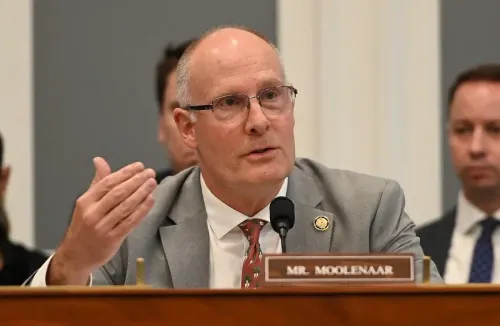
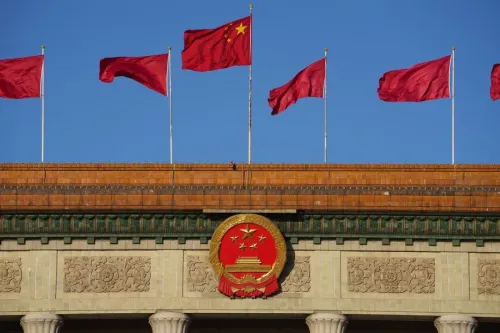
Washington, April 5 (NationPress) - A prominent US legislator has condemned China's approach to religious freedom as Easter approaches, alleging that the Chinese Communist Party (CCP) is engaged in the persecution of Christians and advocating for increased liberties within the nation.
Chairman John Moolenaar of the Select Committee on China asserted that the faith of detained Christians in China will continue to motivate others, even in the face of governmental oppression.
“When he was imprisoned for his faith in Jesus, Paul wrote to the Philippians, ‘It has become clear throughout the whole palace guard and to everyone else that I am in chains for Christ. And because of my chains, most of the brothers and sisters have become confident in the Lord and dare all the more to proclaim the gospel without fear,’” Moolenaar expressed in a statement commemorating Easter.
He highlighted the similarities between the persecution of early Christians and the current situation in China.
“This mirrors the situation in China, where the CCP’s restrictions on Pastor Jin, Jimmy Lai, and other believers will only serve to inspire more individuals to share the message of Christ’s triumph over death,” he stated.
Moolenaar also urged the Chinese authorities to alter their stance.
“As we observe Easter this Sunday, I hope that, just as Paul once persecuted Christians, Xi Jinping and the CCP will recognize the need for religious freedom – a right that we have cherished as Americans for 250 years,” he said.
These comments arise amidst ongoing examination in Washington of China's treatment of religious minorities, including Christians, Muslims, and various other faith communities.
Legislators from both the Republican and Democratic parties have regularly expressed their concerns regarding restrictions on worship, surveillance, and detentions associated with religious practices.
This statement also reflects the broader frictions between Washington and Beijing, where human rights issues persist as a significant source of contention alongside trade, technology, and security matters.
Point of View
This statement highlights the ongoing and serious concerns regarding China's treatment of its religious minorities. It underscores the need for dialogue and reform in the context of international human rights standards.
NationPress
19 Sept 2026
Frequently Asked Questions
What did Senator Moolenaar say about religious freedom in China?
Senator Moolenaar criticized China's record on religious freedom, accusing the CCP of persecuting Christians and called for greater freedoms.
What parallels did Moolenaar draw?
He drew parallels between early Christian persecution and the current situation in China, emphasizing the inspiring faith of imprisoned Christians.
What is the broader context of these remarks?
The remarks come amid ongoing scrutiny of China's treatment of religious minorities, reflecting tensions between Washington and Beijing.