How is 'Seva Teerth' a Reflection of Citizen-Centric India?

Synopsis
Prime Minister Narendra Modi inaugurated the 'Seva Teerth' and 'Kartavya Bhavan' complexes, marking a pivotal moment in India's progress towards being a developed nation. He emphasized the shift from colonial legacies to a citizen-centric governance model, aiming to fulfill the aspirations of 1.4 billion Indians. These new facilities are designed to inspire efficiency and reflect the dreams of the people.
Key Takeaways
Seva Teerth symbolizes a shift to citizen-centric governance.
Modern facilities aim to meet aspirations of 1.4 billion Indians.
Contrast with colonial legacies emphasizes humility over dominance.
Focus on efficiency and accountability in governance.
Significant step in India's journey towards 'Viksit Bharat' .
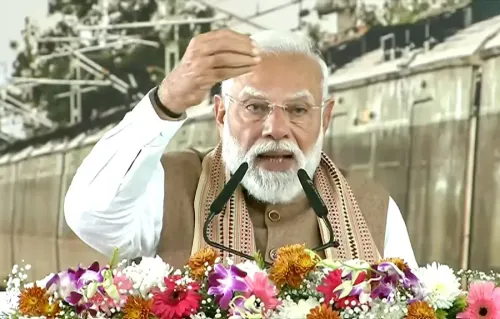
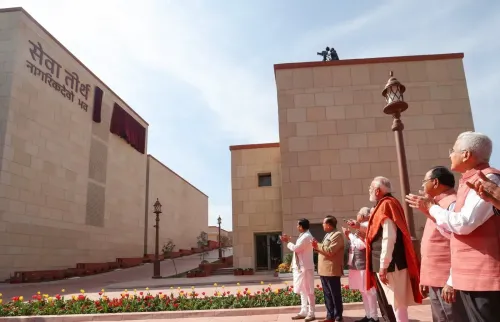
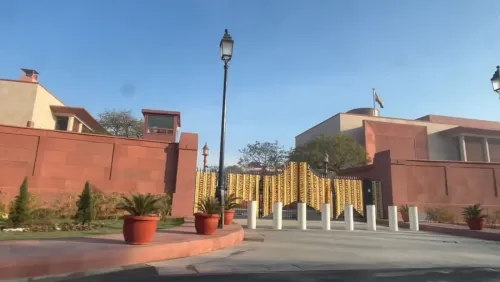
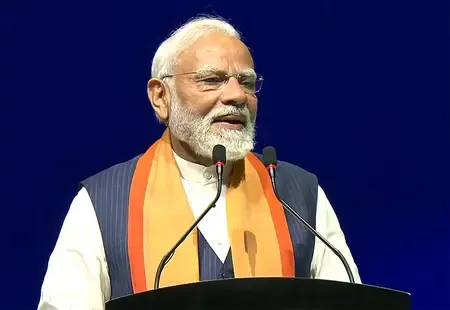
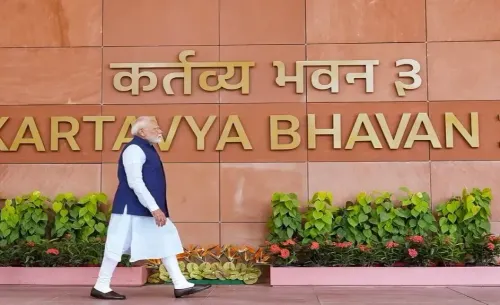
New Delhi, Feb 13 (NationPress) Prime Minister Narendra Modi, on Friday, inaugurated the newly developed Seva Teerth and Kartavya Bhavan complexes for the citizens of India, calling them a vital step in the nation's journey towards becoming a developed country, or 'Viksit Bharat'.
He emphasized that these state-of-the-art facilities symbolize a profound commitment to citizen-centric governance and national advancement, showcasing a significant move away from the colonial legacy.
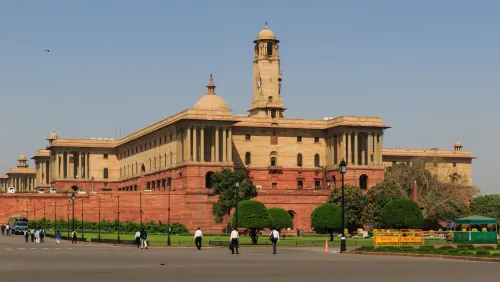
In his address, PM Modi recalled the historical context, pointing out that during British rule, structures like those on Raisina Hills, including South Block and North Block, were crafted to project the authority of the British Empire over an 'enslaved' India.
These buildings were strategically situated on elevated grounds to signify dominance, which starkly contrasts with local architectural styles.
In comparison, PM Modi articulated that 'Seva Teerth' is grounded and symbolizes humility and connection with the populace rather than detachment.
The Prime Minister noted that while colonial edifices were built to impose the will of a distant monarch, the new complexes are designed to meet the aspirations of 1.4 billion Indians.
Decisions made from these facilities, he stated, will no longer align with any king's vision but will directly reflect the needs of the common man.
With pride and a sense of duty, PM Modi officially dedicated the complexes to the nation, asserting that governance must now mirror the dreams and requirements of the people.
He underscored the necessity of modern infrastructure in this age of rapid technological progress.
PM Modi pointed out that the older buildings were constrained by space and incapable of accommodating new tools and services.
'Seva Teerth', he explained, takes its name from a pilgrimage dedicated to service, where determination translates into action.
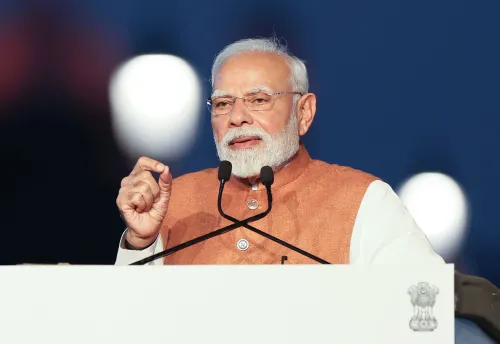
"As India forges ahead with reforms, bolsters international ties, and strives for comprehensive welfare coverage, these new workplaces must foster efficiency, confidence, and expedited outcomes," he remarked.
Drawing from Vedic traditions, PM Modi highlighted the importance of seeking welfare from all directions while ensuring that the essence of the buildings remains rooted in humanity and public benefit.
He advocated for a work culture devoid of barriers, where policies flourish only when they genuinely comprehend and address the aspirations of the populace.
In India's dynamic democracy, he asserted, the thoughts and dreams of citizens constitute the true strength and capital.
Reflecting on the governance model over the past 11 years, Prime Minister Modi characterized it as one propelled by the spirit of service, having lifted 250 million individuals out of poverty and revitalized the economy.
He urged officials to regularly reflect on whether their efforts are genuinely improving the lives of ordinary citizens across the nation.
Genuine fulfillment, he stated, comes not from mere showmanship but from diligently fulfilling one's responsibilities.
Quoting Mahatma Gandhi, PM Modi reminded that the foundation of rights is built upon the foundation of duty.
"Duty is the starting point for realizing the dreams of millions and for confronting every challenge ahead," he stated.
As individuals transition into these inspiring new environments, PM Modi expressed hope that they will uphold this ethos, leaving behind a legacy of pride and service as their tenures conclude.
Point of View
It is imperative to recognize that the inauguration of 'Seva Teerth' represents a significant shift towards a governance model that prioritizes citizen engagement and aspirations. This move is not just symbolic but a foundational step towards fostering a responsive and accountable government that aligns with the needs of the populace.
NationPress
30 Sept 2026
Frequently Asked Questions
What is 'Seva Teerth'?
'Seva Teerth' is a newly constructed complex dedicated to promoting citizen-centric governance in India, inaugurated by Prime Minister Narendra Modi.
Why is the inauguration significant?
The inauguration represents a pivotal shift from colonial legacies towards facilitating the aspirations of 1.4 billion Indians in a developed nation.
How does 'Seva Teerth' differ from colonial buildings?
'Seva Teerth' is designed to be grounded and accessible, symbolizing humility and connection with the people, unlike colonial structures that emphasized dominance.
What are the expected outcomes from these new facilities?
The new facilities are expected to enhance efficiency, foster accountability, and address the aspirations of the common citizens directly.
How does this reflect on India's governance model?
This initiative reflects a commitment to citizen engagement and responsiveness, embodying a governance model focused on service and public welfare.