Shillong Peak Ropeway clears all approvals, poses no threat to water or trees: Meghalaya
Synopsis
Meghalaya's Tourism Department has gone on record to defend the Shillong Peak Ropeway, insisting all statutory and environmental clearances are in place and that the project will operate above the tree canopy — yet the continued need for community appeals suggests the fight for local buy-in is far from over.
Key Takeaways
The Meghalaya Tourism Department confirmed the Shillong Peak Ropeway Project has secured all required statutory clearances.
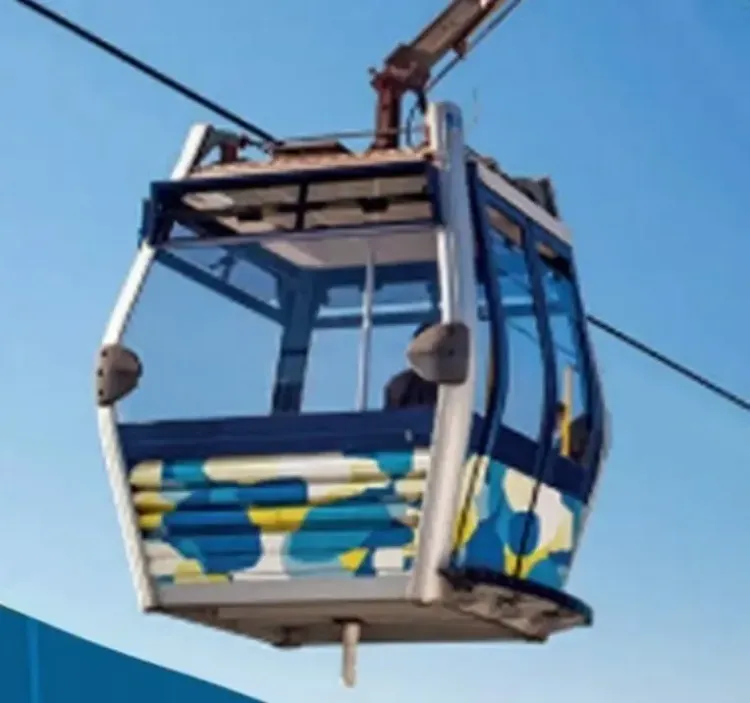
The project site is located 3.15 km from Lum Shyllong ; cables and cabins will operate above the tree canopy.
An Environmental and Social Management Plan (ESMP) was reviewed by independent experts and approved by the New Development Bank .
The ropeway is expected to reduce vehicular traffic and emissions around Shillong Peak and generate local employment.
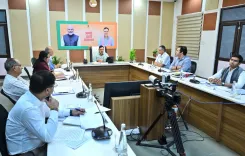
A stakeholder briefing was held on 22 October with the Joint Action Committee (JAC) and community representatives.
The Meghalaya Tourism Department on Tuesday, 27 October 2026, formally defended the proposed Shillong Peak Ropeway Project, stating that it has obtained all required statutory clearances and will neither compromise water sources nor damage the surrounding tree canopy. The clarification comes amid mounting concerns from local stakeholders over the project's environmental footprint.
Key Clarifications from the Government
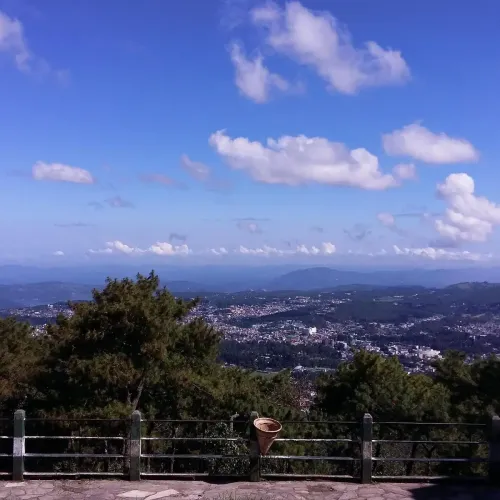
Officials stated that the project site is situated 3.15 km from Lum Shyllong, a sacred grove considered ecologically and culturally significant. The department also emphasised that ropeway cables and passenger cabins are designed to operate above the tree canopy, minimising direct contact with forest cover. These assurances were part of a detailed clarification issued in the wake of a stakeholder briefing held on 22 October, attended by members of the Joint Action Committee (JAC) and other community representatives.
Environmental Oversight and Approval Process
According to the department, stakeholder concerns and suggestions gathered during multiple public consultations were formally addressed through an Environmental and Social Management Plan (ESMP). The plan was reviewed by independent experts and subsequently approved by the New Development Bank. Officials maintained that this approval process reflects due diligence on environmental and social dimensions of the project.
Projected Benefits for Tourism and Traffic
The department highlighted several anticipated advantages of the ropeway. Chief among them is the potential to ease chronic traffic congestion around Shillong Peak, one of the region's most-visited tourist sites. By offering an alternative aerial transport mode, the project could significantly reduce the number of road vehicles travelling to the peak, thereby cutting vehicular emissions. The ropeway is also expected to generate local employment and strengthen Meghalaya's broader tourism economy by improving access to the attraction.
Ongoing Community Engagement
Notably, the department's appeal for community cooperation signals that opposition has not fully subsided. Officials said they remain available to provide further clarifications and additional information to any stakeholders who require it. This is at least the second public consultation effort following the 22 October briefing, suggesting the government is treading carefully against a backdrop of environmental sensitivity in the region. The department appealed to local communities to extend support for the project's implementation as deliberations over its environmental implications continue.
Point of View
But the sacred significance of Lum Shyllong to indigenous communities means statutory clearances alone cannot substitute for genuine community consent. The government's appeal for 'support and cooperation' is an implicit acknowledgement that opposition persists. Meghalaya's tourism infrastructure push is economically rational, but projects that brush against sacred natural sites in the Northeast have historically been flashpoints — and this one will bear watching long after the cables are strung.
NationPress
27 Oct 2026
Frequently Asked Questions
What is the Shillong Peak Ropeway Project?
The Shillong Peak Ropeway Project is a proposed aerial ropeway in Meghalaya designed to offer an alternative mode of transport for visitors to Shillong Peak, one of the state's most popular tourist destinations. The project is intended to reduce road traffic congestion and vehicular emissions around the peak while generating local employment.
Has the Shillong Peak Ropeway received all environmental clearances?
Yes, according to the Meghalaya Tourism Department, the project has secured all requisite statutory clearances. An Environmental and Social Management Plan was reviewed by independent experts and approved by the New Development Bank.
Will the ropeway affect Lum Shyllong or water sources near Shillong Peak?
The department has stated that the project site is located 3.15 km from Lum Shyllong and that the ropeway cables and passenger cabins will operate above the tree canopy, posing no risk to water sources or tree cover. These assurances were formally communicated to stakeholders at a briefing on 22 October.
Why are local communities concerned about the ropeway?
Local stakeholders and members of the Joint Action Committee have raised concerns over the project's potential environmental impact, including effects on water sources and the ecologically sensitive area near Lum Shyllong. The government has addressed these through public consultations and the ESMP, though community opposition has not been fully resolved.
What are the expected benefits of the Shillong Peak Ropeway?
The ropeway is expected to ease traffic congestion and reduce vehicular emissions around Shillong Peak, generate employment for local residents, and strengthen Meghalaya's tourism sector by improving access to the attraction.