Will the Supreme Court Hear CBI's Plea Against Sengar's Sentence Suspension?
Synopsis
The Supreme Court is poised to hear the CBI's urgent plea against the suspension of Kuldeep Singh Sengar's life sentence in the 2017 Unnao rape case. This case has sparked national outrage and raised crucial questions about justice for survivors of sexual violence. Stay tuned to find out the implications of this significant legal battle.
Key Takeaways
Supreme Court to hear CBI's plea on Sengar's bail.
Unnao rape case has sparked nationwide outrage.
Family of the victim and activists oppose bail.
CBI emphasizes severity of the crime.
Legal proceedings transferred to Delhi for expedited trial.
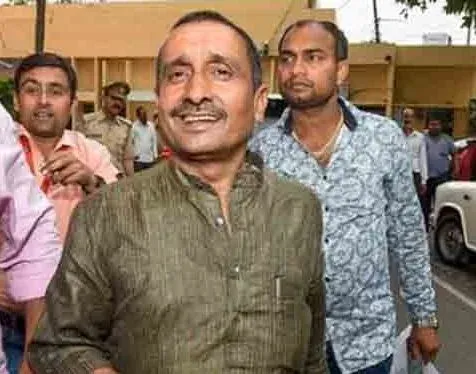
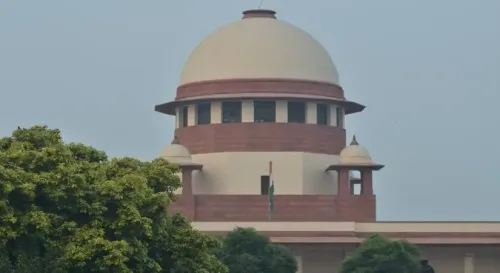
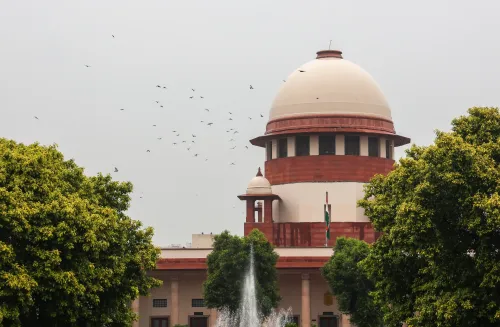
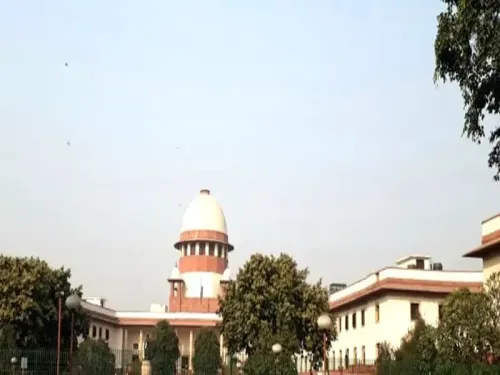
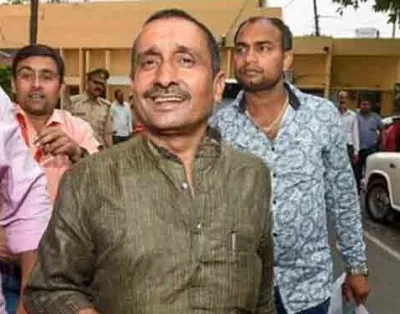
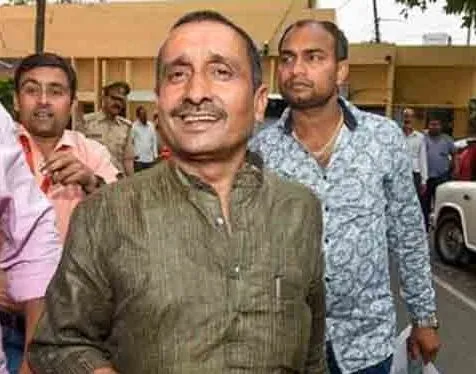
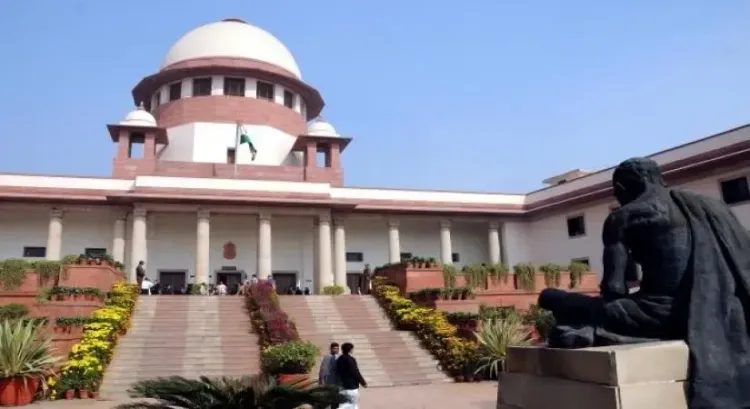
New Delhi, December 28 (NationPress) A 3-judge bench of the Supreme Court is set to deliberate on the Central Bureau of Investigation's (CBI) appeal against the Delhi High Court's ruling that suspended the life sentence of expelled Bharatiya Janata Party leader Kuldeep Singh Sengar regarding the 2017 Unnao rape case on Monday.
The list of cases posted on the Supreme Court's official website reveals that a special vacation bench led by Chief Justice of India Surya Kant, alongside Justices J.K. Maheshwari and Augustine George Masih, will hear this pressing matter.
The CBI's petition challenges the December 23 decision by the Delhi High Court, which allowed Sengar's request for suspension of his sentence while his appeal is pending.
Reports indicate that both the CBI and the victim's family have expressed their determination to contest the Delhi High Court's judgment in the Supreme Court.
Family members of the survivor, along with advocates for women's rights, have voiced their opposition to the suspension of Sengar's sentence, arguing that the bail decision has significantly undermined public trust and conveyed a troubling message regarding violence against women.
During the proceedings at the Delhi High Court, the CBI vehemently opposed Sengar's request, emphasizing the severity of the crime and the associated risks.
In its ruling, a division bench comprising Justices Subramonium Prasad and Harish Vaidyanathan Shankar granted Sengar conditional bail and suspended his life sentence, subject to stringent conditions while his appeal is being heard.
The Unnao rape incident sparked widespread outrage across the nation. In December 2019, a trial court found Sengar guilty of kidnapping and raping a minor, sentencing him to life imprisonment and imposing a fine of ₹25 lakh.
The Supreme Court had previously transferred all related cases from Uttar Pradesh to Delhi, mandating a day-to-day trial process.
Point of View
I believe that the Supreme Court's upcoming deliberation on the CBI's plea against the suspension of Kuldeep Singh Sengar's sentence is a critical moment for justice. This case resonates deeply with societal concerns regarding the treatment of survivors and the message sent about crimes against women. It is imperative that the judiciary restores public faith by addressing the gravity of such offenses.
NationPress
16 Oct 2026
Frequently Asked Questions
What is the Unnao rape case?
The Unnao rape case involves the kidnapping and sexual assault of a minor girl by Kuldeep Singh Sengar, a former BJP leader, in 2017, leading to nationwide protests.
What was the outcome of the trial?
In December 2019, a trial court convicted Sengar of kidnapping and raping a minor, sentencing him to life imprisonment and imposing a fine of ₹25 lakh.
Why is the Supreme Court hearing the CBI's plea?
The Supreme Court is hearing the CBI's plea against the Delhi High Court's decision to suspend Sengar's life sentence while his appeal is pending, which has raised concerns among the public.
What are the public reactions to Sengar's bail?
Public response has been overwhelmingly negative, with activists and the victim's family expressing that the bail decision undermines trust in the justice system.
What are the implications of this case?
The case highlights significant issues regarding justice for sexual assault survivors and the need for the legal system to uphold accountability.