AIADMK defection row: TN Speaker begins hearings against 4 ex-MLAs
Synopsis
Tamil Nadu's Assembly Speaker has opened disqualification hearings against four former AIADMK MLAs who resigned their seats and joined another party — but two of them have since won byelections and now sit as TVK legislators. The Madras High Court forced the Speaker's hand after months of inaction, and a final ruling is due on 17 November, with significant implications for anti-defection law in the state.
Key Takeaways
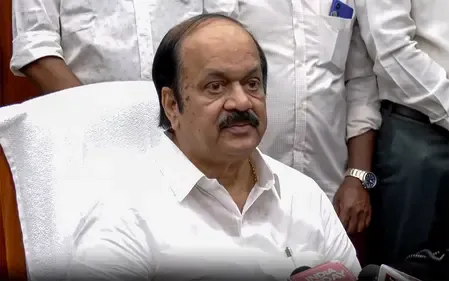
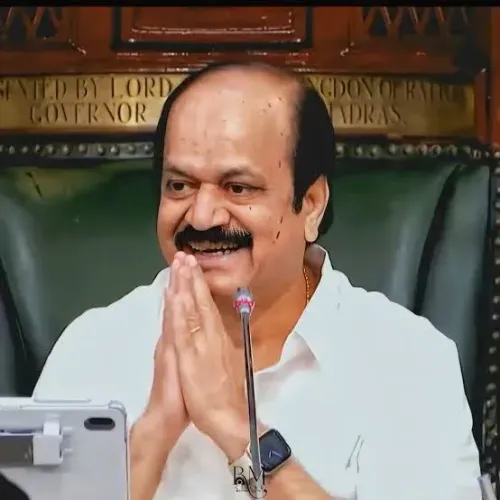
Tamil Nadu Assembly Speaker J.C.D.
Prabhakar began disqualification hearings on 10 November against four former AIADMK MLAs.
The four former legislators — Esakki Subbiah , Maragatham Kumaravel , Jayakumar , and Sathyabama — resigned their seats and joined another political party.
Hearings run from 10 to 12 November , with the final session scheduled for 17 November .
The Madras High Court directed the Speaker to decide within two months after Edappadi K.
Palaniswami complained of delays.
Disqualification proceedings against 21 other AIADMK legislators were dropped following a Palaniswami–Velumani reconciliation.
Maragatham Kumaravel and Sathyabama have since won byelections and now serve as TVK legislators.
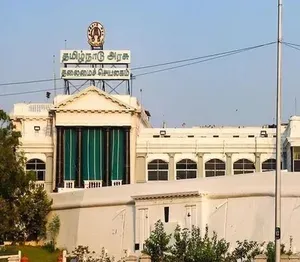
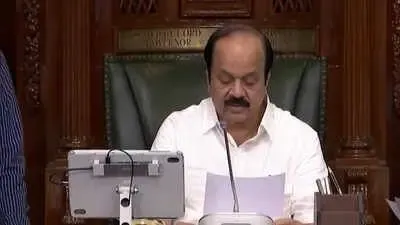
Tamil Nadu Assembly Speaker J.C.D. Prabhakar on Tuesday, 10 November commenced disqualification hearings against four former AIADMK legislators who resigned their Assembly memberships and subsequently joined another political party, acting on a directive from the Madras High Court. The three-day proceedings, scheduled from 10 to 12 November, mark a significant moment in a defection dispute that has roiled Tamil Nadu politics since the last Assembly elections.
Who Is Being Heard
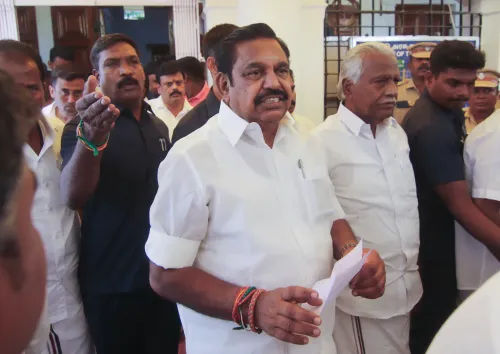
The disqualification petitions were filed by AIADMK general secretary Edappadi K. Palaniswami against former legislators Esakki Subbiah, Maragatham Kumaravel, Jayakumar, and Sathyabama. Lawyers representing both the four former MLAs and the Palaniswami camp are scheduled to present their arguments across the hearing sessions. A final hearing is set for 17 November, after which the Speaker is expected to deliver his decision.
How the Defection Row Began
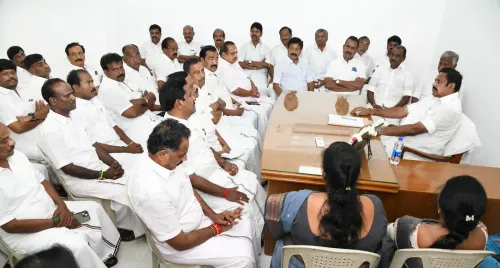
The controversy traces back to the factional split within the AIADMK following the Assembly elections, when the party fractured into rival camps led by Palaniswami and former Minister S.P. Velumani. Both leaders separately petitioned the Speaker for recognition of their respective groups as the legitimate AIADMK legislative party.
The fault lines deepened during a confidence vote faced by the Vijay-led Tamilaga Vettri Kazhagam (TVK) government, when 25 AIADMK legislators from the Velumani faction voted in favour of the government. The Palaniswami camp promptly demanded disqualification of those members under anti-defection provisions. Subsequently, four of those legislators resigned their Assembly seats and joined another party — a step the Palaniswami faction argued should not be accepted without prior anti-defection action.
The Partial Reconciliation and What It Changed
A political rapprochement between Palaniswami and Velumani eventually reunited the rival AIADMK factions. Following the agreement, the party withdrew disqualification complaints against 21 of the 25 legislators, and proceedings against those members were dropped. The complaints against the remaining four who had resigned and joined another party were maintained.
Notably, two of the four — Maragatham Kumaravel and Sathyabama — have since won byelections and are currently serving as TVK legislators, adding a layer of political complexity to the disqualification question. Former AIADMK Ministers M.R. Vijayabhaskar and C. Vijayabhaskar had also resigned their seats and joined another party, reflecting the broader churn of political realignment in the state.
Court Intervention and the Current Timeline
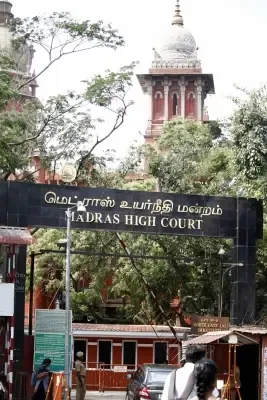
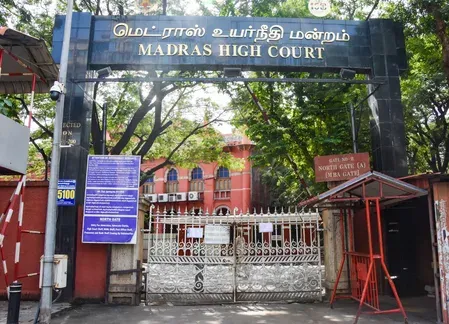
Dissatisfied with the prolonged inaction on the remaining petitions, Palaniswami moved the Madras High Court, which directed the Speaker to examine the disqualification complaints and announce an appropriate decision within two months. Acting on that directive, Speaker Prabhakar issued notices to the four former legislators and fixed the current hearing schedule.
With the final hearing on 17 November approaching, the Speaker's ruling could have implications for anti-defection jurisprudence in Tamil Nadu, particularly in cases where resigned members have subsequently secured fresh electoral mandates.
Point of View
And that itself is telling — Tamil Nadu's anti-defection machinery has been visibly selective, moving swiftly when political convenience demanded and stalling when it did not. The genuinely thorny question is what the Speaker does about Maragatham Kumaravel and Sathyabama, who resigned under a cloud of defection and then won fresh mandates as TVK legislators. A disqualification ruling now would create a constitutional paradox that neither the Tenth Schedule nor precedent cleanly resolves. This case could set a precedent for how Indian legislatures treat defectors who subsequently obtain re-election — a gap in anti-defection jurisprudence the Supreme Court has not yet definitively closed.
NationPress
10 Nov 2026
Frequently Asked Questions
Why are four former AIADMK MLAs facing disqualification hearings in Tamil Nadu?
The four former legislators — Esakki Subbiah, Maragatham Kumaravel, Jayakumar, and Sathyabama — are facing disqualification because they resigned their Assembly seats and subsequently joined another political party, triggering anti-defection provisions under the Tenth Schedule. AIADMK general secretary Edappadi K. Palaniswami filed petitions against them with the Tamil Nadu Assembly Speaker.
What role did the Madras High Court play in these proceedings?
The Madras High Court directed Tamil Nadu Assembly Speaker J.C.D. Prabhakar to examine the disqualification petitions and deliver an appropriate decision within two months, after Palaniswami approached the court complaining of excessive delay. The Speaker issued notices to the four former MLAs and scheduled hearings from 10 to 12 November as a result.
Why were disqualification proceedings dropped against 21 other AIADMK legislators?
A political reconciliation between AIADMK factions led by Edappadi K. Palaniswami and former Minister S.P. Velumani resulted in the reunification of the party. Following the agreement, the Palaniswami camp withdrew complaints against 21 of the 25 legislators who had voted for the TVK government, and the Speaker dropped those proceedings accordingly.
What makes the cases of Maragatham Kumaravel and Sathyabama particularly complex?
Both Maragatham Kumaravel and Sathyabama, two of the four facing disqualification, have since contested and won byelections and are currently serving as TVK legislators. This creates a legal and constitutional question about whether a disqualification ruling can apply retroactively to members who have received a fresh electoral mandate after the alleged defection.
When is the final decision on the disqualification petitions expected?
The final hearing is scheduled for 17 November 2026, after which Speaker J.C.D. Prabhakar is expected to announce his decision following examination of arguments from both sides. The Madras High Court's two-month deadline sets the outer limit for the ruling.