TN Speaker notices four ex-AIADMK MLAs in TVK defection case
Synopsis
Tamil Nadu's anti-defection case has reached a critical juncture: Speaker J.C.D. Prabhakar has summoned four ex-AIADMK MLAs who joined TVK for hearings ahead of a 17 November final argument date. With two of the legislators — Maragatham Kumaravel and Sathyabama — already having won TVK by-elections, an adverse ruling could upend their legislative status and redraw Tamil Nadu's political equations.
Key Takeaways
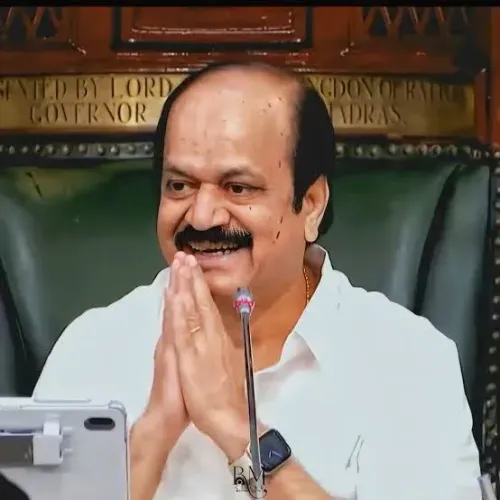
Tamil Nadu Assembly Speaker J.C.D.
Prabhakar has issued notices to four former AIADMK legislators who joined the TVK .
Hearings are scheduled for 10, 11 and 12 November ; final arguments are set for 17 November .
The case stems from a confidence vote on 13 May , when 25 AIADMK MLAs allegedly defied the party whip.
AIADMK general secretary Edappadi K.
Palaniswami withdrew complaints against 21 legislators but continued proceedings against the four who joined TVK.
The Madras High Court upheld the validity of the legislators' resignations and directed the Speaker to conclude proceedings within two months.
Two legislators — Maragatham Kumaravel and Sathyabama — have already won by-elections on TVK tickets, raising the stakes of a potential disqualification order.
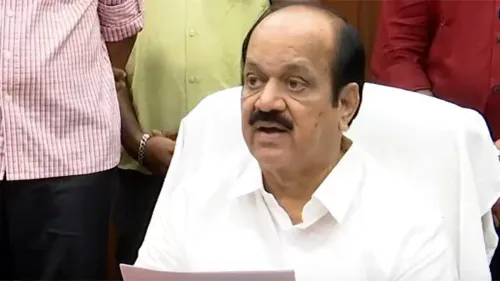
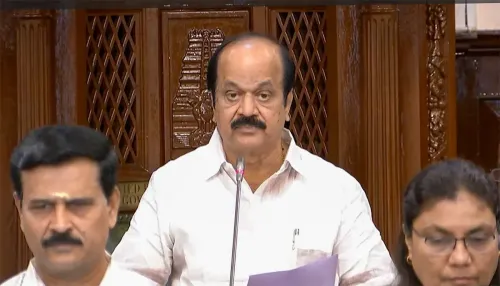
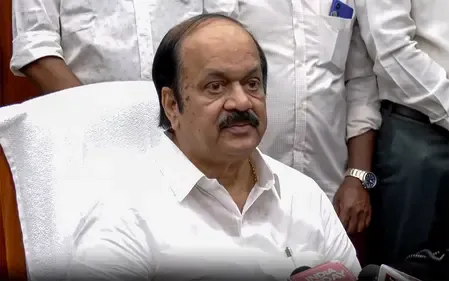
Tamil Nadu Assembly Speaker J.C.D. Prabhakar has issued notices to four former AIADMK legislators who subsequently joined the Tamilaga Vettri Kazhagam (TVK), stepping up proceedings in a disqualification case rooted in a contentious Assembly confidence vote held earlier this year. The notices direct the four to appear for hearings on 10, 11 and 12 November, with final arguments slated for 17 November.
Background: The Confidence Vote That Sparked the Crisis
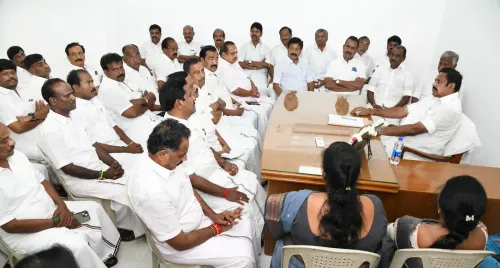
The controversy traces back to 13 May, when the Tamil Nadu Assembly witnessed a confidence vote involving the ruling government. On that day, 25 AIADMK legislators allegedly defied the party whip and voted in favour of the government. Following the vote, AIADMK whip Agri Krishnamoorthy filed a petition with the Speaker seeking their disqualification under the Constitution's anti-defection provisions.
However, AIADMK general secretary Edappadi K. Palaniswami subsequently chose to withdraw the complaint against 21 of those legislators, effectively absolving them of the whip violation. The party pressed ahead only against the four members who had formally resigned from the AIADMK and joined the TVK. Two additional legislators — M.R. Vijayabhaskar and C. Vijayabhaskar — also submitted resignations, expanding the number of legislators involved in pending proceedings to six.
Madras High Court's Role
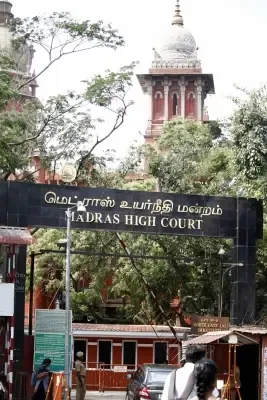
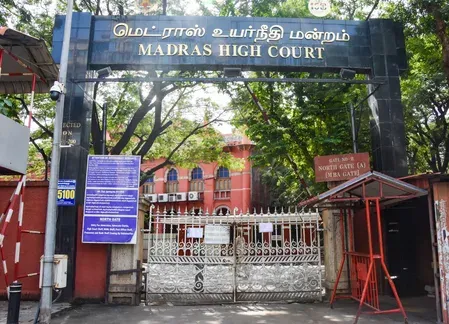
Krishnamoorthy challenged the Speaker's decision to accept the resignations before the Madras High Court. A Division Bench comprising Chief Justice Sushrut Arvind Dharmadhikari and Justice G. Arul Murugan upheld the validity of the resignations, observing that they were genuine and voluntary. The court also directed the Speaker to dispose of the pending disqualification petitions within two months, prompting the acceleration of hearings.
Key Political Stakes
The case carries particular weight because two legislators linked to the controversy — Maragatham Kumaravel and Sathyabama — have already contested and won Assembly by-elections on TVK tickets. An adverse ruling by the Speaker could raise serious questions about their eligibility to continue as legislators, depending on the legal consequences of a disqualification order. Palaniswami's legal representatives are also expected to present arguments during the scheduled hearings.
What Happens Next
With final arguments set for 17 November, the Speaker's eventual ruling is expected to have significant implications for the TVK's legislative standing and the broader political balance in Tamil Nadu. The outcome could also set a precedent for how anti-defection norms are applied in cases where resigned legislators contest and win fresh elections before proceedings are concluded.
Point of View
Maragatham Kumaravel and Sathyabama have already won fresh mandates as TVK representatives — a disqualification would nullify a voter verdict, setting up a collision between constitutional anti-defection norms and democratic legitimacy. The Speaker's ruling, expected before month-end, could become a landmark in Tamil Nadu constitutional law.
NationPress
8 Nov 2026
Frequently Asked Questions
Why has the Tamil Nadu Speaker issued notices to four ex-AIADMK MLAs?
The notices relate to a disqualification petition filed after the four legislators allegedly defied the AIADMK party whip during a confidence vote on 13 May and subsequently resigned from the AIADMK to join the Tamilaga Vettri Kazhagam (TVK). The Speaker has summoned them for hearings on 10, 11 and 12 November, with final arguments on 17 November.
What was the AIADMK confidence vote controversy?
On 13 May, 25 AIADMK legislators allegedly voted in favour of the government in defiance of the party whip. AIADMK whip Agri Krishnamoorthy filed a disqualification petition against all 25, but general secretary Edappadi K. Palaniswami later withdrew the complaint against 21, leaving proceedings active only against those who formally left the party.
What did the Madras High Court rule in this case?
A Division Bench of the Madras High Court, led by Chief Justice Sushrut Arvind Dharmadhikari and Justice G. Arul Murugan, upheld the validity of the resignations tendered by the legislators, finding them genuine and voluntary. The court also directed the Speaker to dispose of the pending disqualification petitions within two months.
Who are the legislators most at risk from an adverse ruling?
Legislators Maragatham Kumaravel and Sathyabama are considered most at risk as they have already contested and won Assembly by-elections on TVK tickets. A disqualification order could potentially affect their status as elected representatives and their eligibility in future elections.
What are the broader political implications of this case?
The Speaker's ruling is expected to have significant consequences for the TVK's legislative presence and the balance of power in Tamil Nadu's Assembly. It could also establish a precedent on whether anti-defection disqualification can be applied to legislators who have since won fresh electoral mandates.