Oil Prices Drop as Trump Postpones Military Action Against Iran
Synopsis
Oil prices have dipped while markets surged following President Trump’s decision to delay military action in Iran. This move has significant economic implications, particularly for India, which closely monitors oil price fluctuations.
Key Takeaways
Oil prices have declined after Trump postponed attacks on Iran.
The markets rallied with increased investor confidence.
Trump's decision signals a potential diplomatic opening .
Concerns remain over rising fuel costs affecting economies.
India stands to gain from lower oil prices amid its import reliance.
Washington, March 23 (NationPress) Oil prices experienced a downturn, while financial markets surged after President Donald Trump decided to delay military actions against Iran, a situation that is being closely monitored in India due to its economic ramifications.
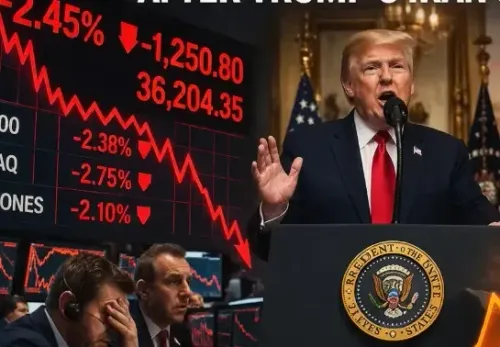
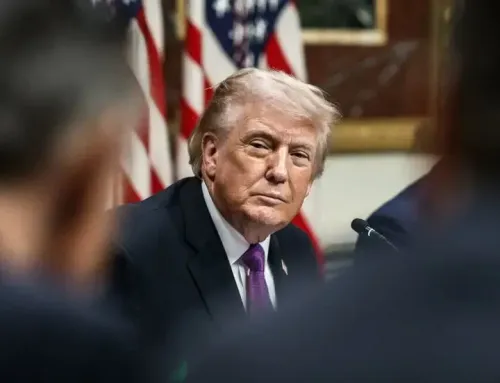
In a post on Truth Social, Trump indicated that the United States would refrain from targeting Iranian energy installations for five days, following what he termed as "very constructive and fruitful discussions" with Tehran aimed at resolving the ongoing conflict.
He emphasized that this pause would be "SUBJECT TO THE SUCCESS OF THE ONGOING MEETINGS AND DISCUSSIONS," hinting at a potential diplomatic breakthrough in the now three-week-old conflict.
This announcement marked the first recognition of high-level negotiations since the U.S. and Israel began their military operations against Iran in late February, focusing on military and leadership targets, as reported by The Washington Post.
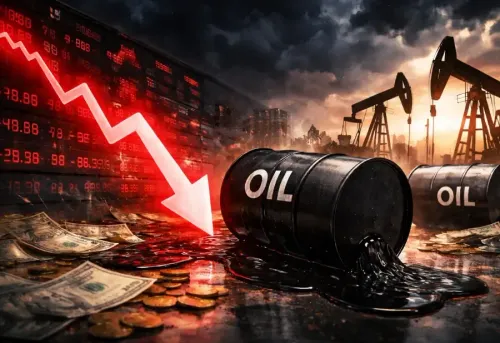
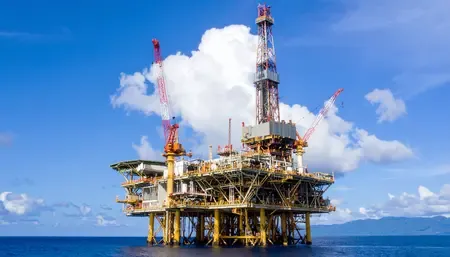
Market reactions were swift. According to The Wall Street Journal, U.S. stock futures jumped nearly 2 percent, reversing earlier declines. Brent crude, the global oil standard, plummeted to below $100 a barrel after previously trading above $114 during the hostilities, as noted by The Washington Post.
European markets also rebounded after early losses, and cryptocurrencies rallied as investor sentiment improved, according to The Wall Street Journal.
Analysts suggested that this development might facilitate the resumption of energy shipments through the Strait of Hormuz, a critical passage for global oil transport.
"If discussions have been so positive, then there’s hope that a path to reopening the Strait has become clearer," stated Hamad Hussain from Capital Economics, as quoted by The Wall Street Journal.
However, uncertainty persists. Iranian state-affiliated media characterized Trump’s announcement as a withdrawal, while other sources indicated that no direct or mediated discussions had occurred prior to the statement, according to The Washington Post.
The ongoing conflict has already impacted global energy infrastructure. Iranian missile strikes have damaged key facilities, including a gas-to-liquids plant in Qatar, leading to operations being offline for at least a year, The Wall Street Journal reported.
Increasing fuel costs are starting to influence economies. Diesel prices in the United States have surged over 40 percent in just a month, raising alarms about supply chains and consumer costs, as stated by The Wall Street Journal.
Despite Monday’s market rally, investors are remaining cautious. The conflict has led to fluctuations in bond markets and heightened expectations of interest rate increases due to rising inflation concerns, according to The Wall Street Journal and The New York Times.
For India, the decline in oil prices brings immediate relief. As one of the globe’s largest crude importers, India is particularly sensitive to price fluctuations. Reduced oil prices could help ease inflation and lessen the financial burden on the government.
Nonetheless, the situation in the Gulf remains precarious. Millions of Indians reside and work in the region, and any escalation could disrupt their livelihoods and the flow of remittances crucial to the Indian economy.
Point of View
Particularly in India, underlying tensions and the potential for further conflict remain significant concerns that require careful monitoring.
NationPress
22 Sept 2026
Frequently Asked Questions
What caused oil prices to drop recently?
Oil prices fell following President Trump's announcement to delay military strikes against Iran, which improved market sentiment.
How does the situation in Iran impact India?
As a major crude oil importer, fluctuations in oil prices directly affect India's economy, impacting inflation and government finances.
What is the significance of the Strait of Hormuz?
The Strait of Hormuz is a vital passage for global oil shipments, and any disruption could have severe implications for energy supply.
What are analysts saying about Trump's decision?
Analysts view the delay as a potential diplomatic breakthrough that could facilitate energy flow through critical routes.
What are the risks associated with the current conflict?
The conflict poses risks of escalating violence, further affecting global energy infrastructure and economic stability.