UK MP John McDonnell urges Britain to act on Balochistan human rights abuses
Synopsis
A sitting British Labour MP publicly called on the UK government to act on alleged Pakistani state abuses in Balochistan, citing colonial responsibility — while a rights group presented figures showing 485 enforced disappearances and 181 extrajudicial killings in just six months. The conference in Geneva marks a fresh push to place Balochistan on the formal Western diplomatic agenda.
Key Takeaways
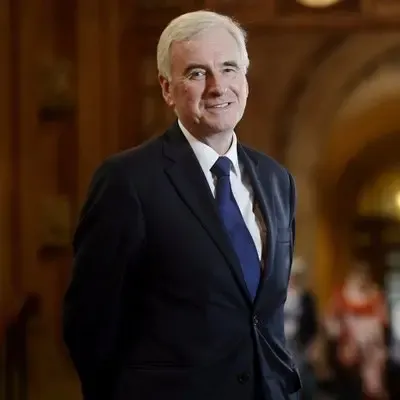
John McDonnell , British Labour MP, called on the UK government to take proactive action on alleged human rights abuses in Balochistan at a conference in Geneva on 25 September 2026 .
McDonnell cited Britain's colonial history as the basis for a 'special responsibility' and urged recognition of Baloch demands for 'peace, justice and the right to self-determination.' Rights organisation Paank documented 485 enforced disappearances and 181 extrajudicial killings in Balochistan over the past six months .
Paank's figures indicate an average of 81 enforced disappearances and 30 extrajudicial killings per month in the province.
Lakhu Lohana of the World Sindhi Congress said Balochistan's hardships have persisted for nearly 80 years , including deaths from poverty and malnutrition.
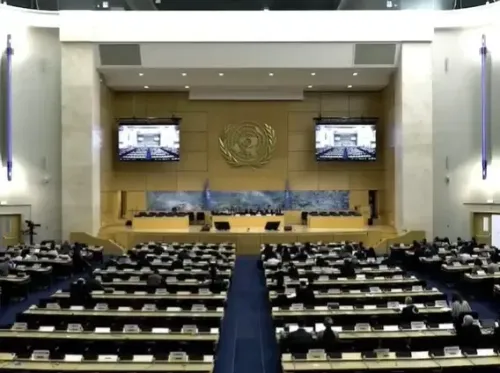
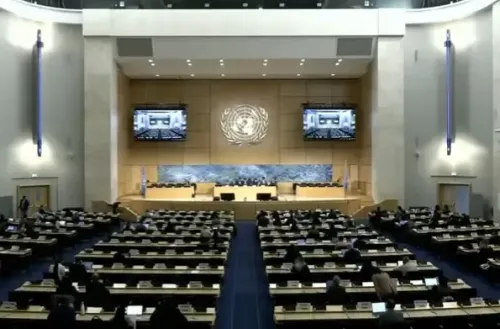
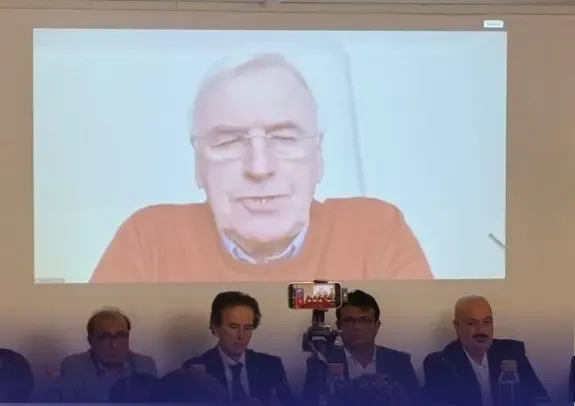
British Labour Party MP John McDonnell on 25 September 2026 called on the UK government to take a more proactive role in addressing human rights abuses allegedly committed by Pakistani authorities in Balochistan, citing Britain's colonial history as grounds for a 'special responsibility' in the matter. McDonnell made the remarks while addressing the 12th Balochistan International Conference, organised by the Baloch National Movement (BNM) at the Geneva Press Club, where he participated virtually.
McDonnell's Call to the UK Government
Speaking to conference participants, McDonnell urged British ministers to help address human rights violations in Balochistan and to formally recognise the Baloch people's demands for 'peace, justice and the right to self-determination.' He said he has continued to provide political and diplomatic support in Britain to Baloch people affected by Pakistani repression, and pledged to maintain that position.
The Labour MP also stressed that the UK must honour its asylum responsibilities, warning that recently introduced restrictions have compounded the difficulties faced by Baloch asylum seekers. His remarks represent one of the more direct calls from a sitting British parliamentarian for policy action on the Balochistan issue.
Documented Abuses: Figures from Paank
Also addressing the conference, Jamal Baloch, media coordinator of human-rights organisation Paank — the human-rights wing of the BNM — presented figures from the group's documentation of enforced disappearances, extrajudicial killings, and other rights violations in Balochistan. He said Paank has documented thousands of such cases over the years.
According to Jamal, Paank recorded 485 cases of enforced disappearance over the past six months. During the same period, the organisation received information on 181 extrajudicial killings, several of which it confirmed independently. The figures indicate that, on average, 81 people are forcibly disappeared every month in Balochistan, and approximately 30 of those disappeared are subsequently killed extrajudicially, according to Paank's records.
Jamal cautioned that while public discussion of Balochistan often centres on enforced disappearances and extrajudicial killings, the human rights crisis in the province is considerably broader in scope.
World Sindhi Congress Weighs In
Lakhu Lohana, General Secretary of the World Sindhi Congress, also addressed the conference, stating that Balochistan's hardships have persisted for nearly 80 years. Lohana rejected characterisations of Balochistan as merely at a political 'crossroads,' asserting instead that the province is 'on the path of freedom and liberation.'
He further noted that beyond killings and enforced disappearances, many people across Balochistan have died from poverty and malnutrition over the past eight decades. Invoking the United Nations Charter of Human Rights, Lohana questioned whether the international community could allow the deteriorating situation to continue. 'How many more bodies from Balochistan will have to bleed before they can no longer deny that atrocities are taking place and that they must stop all this?' he asked.
Broader Context
The conference comes against a backdrop of longstanding international concern over the human rights situation in Balochistan, Pakistan's largest province by area. Rights groups have for years documented allegations of enforced disappearances, extrajudicial killings, and collective punishment, claims that Pakistani authorities have consistently denied or disputed. The convening of an international conference in Geneva — home to major UN human rights bodies — signals an effort by Baloch advocacy groups to internationalise the issue and secure formal diplomatic attention from Western governments.
How the UK government responds to McDonnell's call, and whether the conference yields any concrete diplomatic outcomes, remains to be seen.
Point of View
Framed explicitly around colonial accountability, puts quiet pressure on a government that has largely avoided antagonising Islamabad. The Paank figures — 485 disappearances in six months — are advocacy-group numbers and carry no independent verification, but their scale, if even partially accurate, underscores why Geneva was chosen as the venue, given the proximity to UN human rights mechanisms. The deeper question is whether Western governments treat such conferences as diplomatic cover or as a genuine precursor to policy shifts; past conferences on similar themes have produced statements but rarely consequences.
NationPress
25 Sept 2026
Frequently Asked Questions
What did UK MP John McDonnell say about Balochistan at the Geneva conference?
John McDonnell called on the UK government to take a more proactive role in addressing alleged human rights abuses by Pakistani authorities in Balochistan, urging recognition of Baloch demands for peace, justice, and the right to self-determination. He also cited Britain's colonial history as the basis for a 'special responsibility' in the matter and warned that new UK asylum restrictions have worsened conditions for Baloch people seeking refuge.
What human rights violations were documented at the conference?
Paank, the human-rights wing of the Baloch National Movement, presented figures showing 485 enforced disappearances and 181 extrajudicial killings in Balochistan over a six-month period. The organisation said that, on average, 81 people are forcibly disappeared and 30 are killed extrajudicially every month, according to its records.
What is the Balochistan International Conference and who organised it?
The Balochistan International Conference is an advocacy event organised by the Baloch National Movement (BNM) to raise international awareness about the human rights situation in Balochistan, Pakistan. The 12th edition was held at the Geneva Press Club on 25 September 2026, with participants including international politicians and human rights representatives.
What did the World Sindhi Congress say at the conference?
Lakhu Lohana, General Secretary of the World Sindhi Congress, stated that Balochistan's hardships have persisted for nearly 80 years, encompassing not only killings and enforced disappearances but also deaths from poverty and malnutrition. He invoked the UN Charter of Human Rights and called on the international community to act to stop the deteriorating situation.
Why was the conference held in Geneva?
Geneva is the seat of major UN human rights bodies, making it a strategic venue for Baloch advocacy groups seeking to internationalise their cause and draw formal diplomatic attention from Western governments and international institutions.