Ukraine War Enters Fourth Year: A Global Crisis with No End in Sight
Synopsis
As the Ukraine War enters its fourth year, the conflict continues to wreak havoc on global geopolitics and trade. With no signs of resolution, the repercussions are felt worldwide, affecting economies and instilling fear among neighboring nations. Explore the lasting impacts and the ongoing struggle for peace in this enduring crisis.
Key Takeaways
The Ukraine War has entered its fourth year with no resolution in sight.
Over 15,000 civilians have lost their lives due to the conflict.
The war has caused significant instability in global geopolitics and trade.
Both nations have suffered massive military casualties, with estimates reaching over 450,000 troops lost .
International support for Ukraine continues, but challenges persist in achieving lasting peace.
United Nations, Feb 24 (NationPress) The relentless Ukraine War has now entered its fourth year as of Tuesday, showing no indication of a resolution to the ongoing conflict that has extended its reach globally, creating instability in geopolitical landscapes and international commerce.
UN Secretary-General Antonio Guterres described the situation as "a stain on our collective consciousness, posing a persistent threat to both regional and global peace and security.”
The UN reports that over 15,000 Ukrainian civilians have lost their lives and around 41,000 have been injured since the conflict began four years ago.
Children have been severely affected, with 3,200 casualties, approximately 660 fatal, and roughly one-third of all children in Ukraine displaced, according to UN estimates.
International think tanks suggest that the war has resulted in the deaths of 325,000 Russian troops and 140,000 Ukrainian troops.
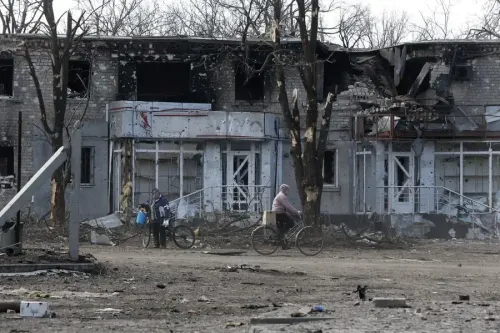
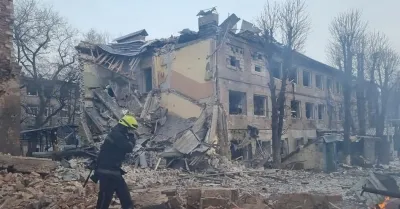
Moscow continues to target civilian locations in Ukraine, while the forces of both nations remain in a stalemate on the battleground, with Kyiv executing limited air and ground operations into Russian territory.
The economies and social structures of both nations have been devastated.
On February 24, 2022, Russia initiated the war—marked as the largest conflict in Europe since World War II—through a massive ground offensive and missile strikes across Ukraine.
President Vladimir Putin anticipated a swift conquest of Ukraine, a nation with a population less than three times that of Russia, an economy roughly one-eighth the size, and a significantly smaller military.
However, Ukraine mounted a fierce resistance, deviating from Putin’s expectations, resulting in a virtual standoff, with Russia controlling around 20% of Ukrainian territory.
In a post on X, Ukraine’s President Volodymyr Zelensky asserted, “We have defended our independence and maintained our statehood; Putin has not realized his ambitions.”
The geopolitical stability in Europe, established post-Cold War, has been disrupted by Russia’s invasion, inciting fears among smaller nations neighboring Russia, particularly those previously part of the Soviet Union, such as Ukraine.
Major European powers, including Germany, France, and Britain, have been compelled to reassess their military and diplomatic strategies.
Ukraine has received support from Western nations, forming what they call the “Coalition of the Willing,” although this does not involve direct military engagement.
Several European leaders visited Kyiv on Tuesday to demonstrate their solidarity.
The US has pledged around $175 billion to aid Ukraine since the onset of the war, with the European Union contributing $230 billion.
However, support appears to waver, as Trump has at times pressured Russia and at other times Ukraine, while urging Europe to contribute more financially.
Additionally, Hungary’s President Viktor Orban, who shows sympathy towards Moscow, has attempted to obstruct the increase in EU support for Ukraine.
The Security Council, which holds the authority to intervene and end wars, is paralyzed due to Russia’s veto, rendering the General Assembly’s resolutions condemning the invasion and demanding Moscow's withdrawal impotent.
A session was scheduled for Tuesday afternoon regarding the Ukraine War, expected to be another reiteration of previously stated positions.
The UN’s most significant impact has been in facilitating the export of Ukraine’s wheat, addressing shortages that have hit many developing nations, particularly in Africa.
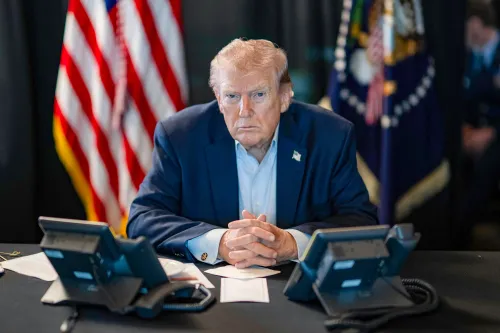
Trump claimed during his campaign that he could resolve the war within 24 hours; however, 13 months later, the conflict persists. In October, he remarked, “I thought this would have been an easy one to settle.”
Despite a failed summit with Putin in Alaska last year, he remains undeterred, with his team of intermediaries still working towards facilitating negotiations.
After the latest round of discussions in Geneva last week, Trump’s spokesperson Karoline Leavitt indicated that there had been “meaningful progress,” and both sides agreed to “continue to strive for a peace deal.”
Trump stated in December that a peace agreement was “95% complete.”
During the Munich Security Conference, US Secretary of State acknowledged, “The bad news is that they’ve been narrowed down to the most challenging questions.”
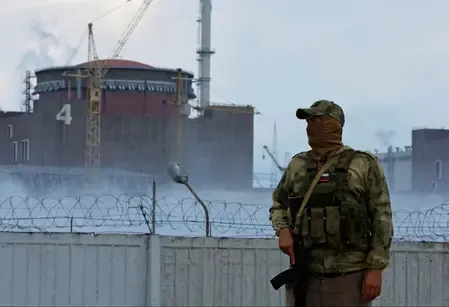
The primary sticking points include Russia’s demands for Ukraine to relinquish territory, including areas not captured in the Donbas region, as well as the fate of Crimea, which was annexed during a 2014 invasion, and control of the Zaporizhzhia nuclear power plant held by Moscow.
Ukraine firmly refuses to concede any territory, as its constitution mandates a universal referendum to authorize any land transfer.
Point of View
The ongoing Ukraine War represents a significant challenge not only for the nations directly involved but also for the international community. As the conflict extends into its fourth year, it becomes increasingly crucial for global powers to address the underlying issues and seek a resolution that ensures peace and stability.
NationPress
29 Sept 2026
Frequently Asked Questions
What triggered the Ukraine War?
The Ukraine War began on February 24, 2022, when Russia launched a ground assault and missile attacks on Ukraine, marking the largest conflict in Europe since World War II.
How many casualties have occurred in the war?
The UN reports that over 15,000 Ukrainian civilians have died, and approximately 41,000 have been injured since the conflict began.
What is the current status of the conflict?
The war has reached a stalemate, with both Russian and Ukrainian forces engaged in ongoing hostilities, while international diplomatic efforts continue to seek a resolution.
What is the international response to the war?
Western nations have provided substantial financial and military support to Ukraine, forming a coalition to aid the country, while also navigating complex geopolitical dynamics.
What are the main obstacles to peace?
Key sticking points include Russia's demands for territorial concessions from Ukraine and the fate of Crimea, which remains a significant point of contention.