UN Secretary-General Election Process Begins Next Month with Five Candidates
Synopsis
As the UN faces global challenges, five candidates have emerged for the Secretary-General position. The election process, starting next month, aims for transparency and fairness in selecting a new leader to guide the organization through critical times.
Key Takeaways
Five candidates have been nominated for UN Secretary-General.
The election process starts on April 20 .
The dialogue includes civil society and is available online .
Two of the nominees are men, while three are women.
The next leader must possess strong leadership skills and experience.
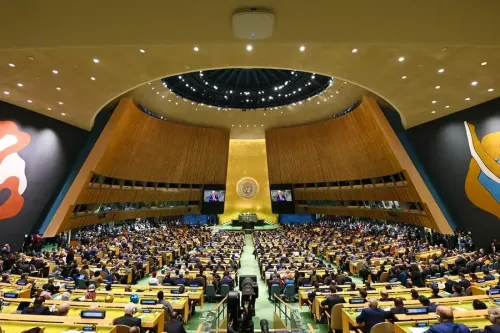
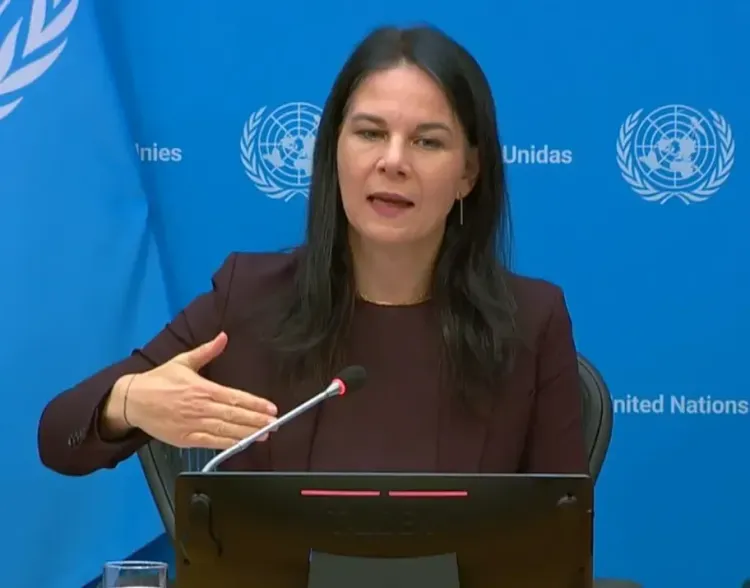
United Nations, March 14 (NationPress) A total of five individuals have been put forward as candidates to become the next UN Secretary-General, stepping into the role during a period marked by global and internal challenges. The election process is set to commence next month, as announced by General Assembly President Annalena Baerbock.
"This will be a highly transparent, neutral, and equitable process where every candidate will have equal chances and opportunities," she stated on Friday.
Beginning April 20, each candidate will participate in a three-hour interactive session, where they will have the opportunity to present their vision for leading the 193-member organization and respond to a series of questions.
This dialogue will also include representatives from civil society organizations and will be available for viewing online.
The call for candidates was issued last year by Baerbock and the previous president of the Security Council, who emphasized the need for women candidates, reflecting a widespread belief that it is time for a woman to lead the organization after 80 years.
The resolution from the Assembly regarding the election highlighted the goal of achieving an "equal and fair distribution" based on gender. However, out of the five candidates nominated thus far, two are men.
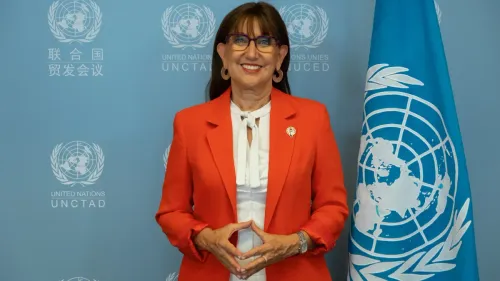
The three women candidates include former Chilean President Michelle Bachelet, who also served as the UN High Commissioner for Human Rights and has been nominated by Chile, Brazil, and Mexico; Rebecca Grynspan from Costa Rica, the current Secretary-General of UN Trade and Development (UNCTAD) and a former vice president of Costa Rica; and Virginia Gamba, an Argentinian nominated by the Maldives, who has held prominent UN roles, including Special Representative for Children and Armed Conflict and head of the Organisation for the Prohibition of Chemical Weapons.
Among the male candidates is another Argentinian, Rafael Grossi, the head of the International Atomic Energy Agency, nominated by Argentina, along with Macky Sall, a former president and prime minister of Senegal, nominated by Burundi.
Nominations will close on April 1, and additional candidates may still emerge.
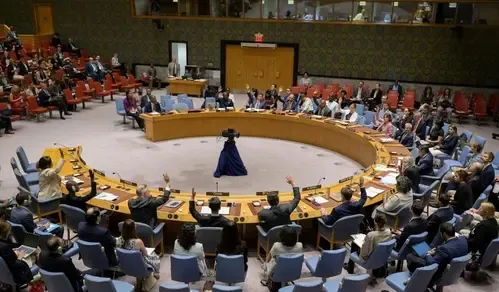
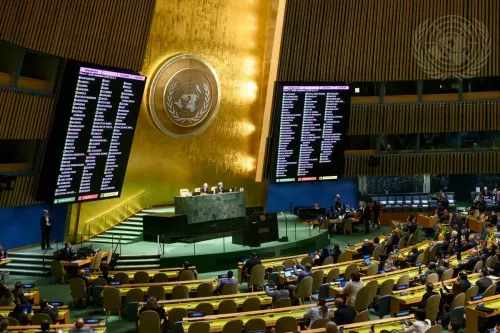
While a simple majority in the General Assembly is required for the winner, the influential Security Council, which includes five permanent members with veto powers, plays a critical role in the decision-making process, as the UN Charter stipulates that the Assembly appoints the UN’s chief official "upon the recommendation of the Security Council."
Baerbock indicated that the interactive discussions will initially focus on the candidates’ personal vision statements and management skills, followed by discussions centered on the three key pillars: peace and security, sustainable development, and human rights.
When asked about the attributes expected of Guterres' successor, she highlighted the need for strong, dedicated leadership skills and experience in governance structures. The next leader should also possess the management expertise necessary to navigate the UN through reforms, she added.
Guterres, a former prime minister of Portugal, is set to complete his second term this year.
Point of View
The focus on gender equality and diverse representation is commendable. With five candidates nominated, including three women, the process aims to reflect the organization's commitment to fairness and transparency. However, the influence of the Security Council raises questions about the true democratic nature of this selection.
NationPress
7 Oct 2026
Frequently Asked Questions
When does the election process for the UN Secretary-General start?
The election process will commence on April 20.
What is the significance of having women candidates?
Having women candidates reflects a broader call for gender equality and representation in leadership roles within the UN.
How long will the interactive sessions for candidates last?
Each candidate will participate in a three-hour interactive session.
What are the key pillars the candidates will address?
Candidates will discuss peace and security, sustainable development, and human rights.
What role does the Security Council play in the election?
The Security Council makes recommendations for the appointment of the UN Secretary-General, despite the General Assembly's final vote.