Geopolitical Dynamics: U.S. and China Engage Amid Iran Crisis
Synopsis
In a significant geopolitical development, the White House has confirmed high-level talks with China during the Iran crisis, revealing the complexities of the ceasefire and future negotiations in Tehran. This engagement emphasizes the strategic stakes for both nations in the Middle East.
Key Takeaways
High-level talks between the U.S. and China are underway amid the Iran crisis.
The ceasefire is seen as a result of Operation Epic Fury .
The negotiations will occur in Islamabad with U.S. officials.
The ceasefire remains fragile and could face challenges.
China's involvement underscores its strategic interests in the Middle East.
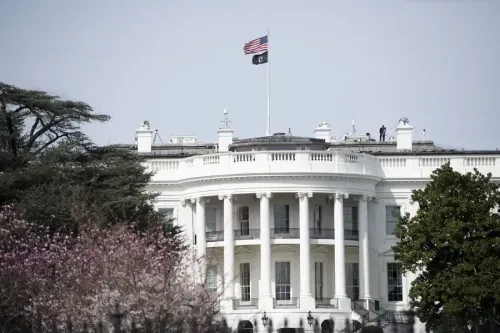
Washington, April 8 (NationPress) On Wednesday, the White House disclosed its high-level communication with China amidst the ongoing Iran crisis, hinting at a wider geopolitical context for the ceasefire and the impending negotiations with Tehran.
As tensions heightened, the White House confirmed that discussions were ongoing between Washington and Beijing, with both nations ensuring their communication lines remained open throughout the conflict.
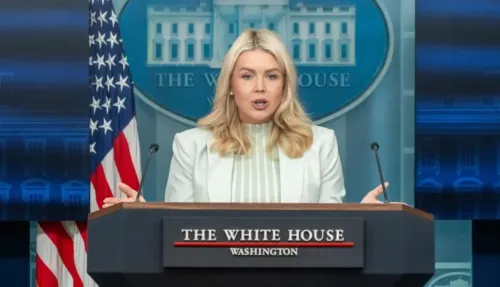
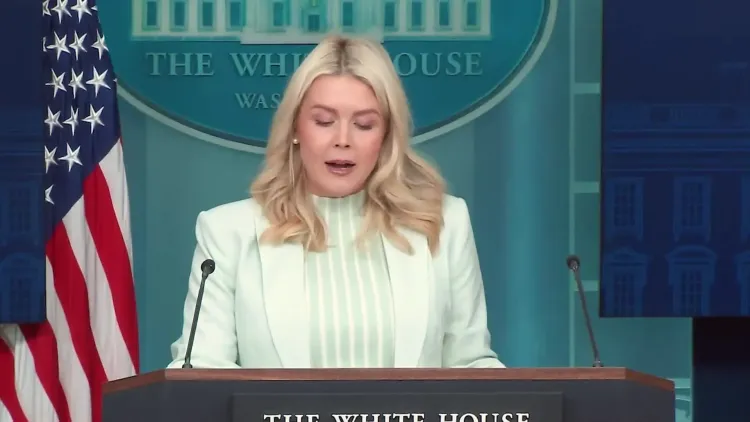
White House Press Secretary Karoline Leavitt informed reporters during a news briefing, stating, "There were discussions that took place between senior officials of our government and those of China."
She also noted that President Donald Trump enjoys a "strong working relationship" with Chinese President Xi Jinping and hinted at further discussions prior to a potential visit to China in the upcoming weeks.
This revelation indicates a level of subtle coordination among major powers as the United States shifts from military strategies to diplomatic efforts following a two-week ceasefire arrangement with Iran.
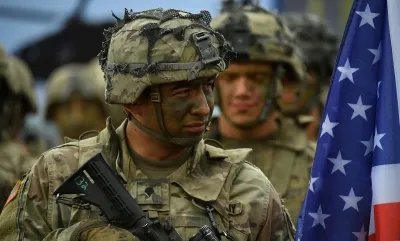
The U.S. has portrayed the ceasefire as a direct result of persistent military pressure exerted under "Operation Epic Fury", which they claim compelled Tehran to reconsider and engage in negotiations.
Leavitt reiterated, "The President’s maximum pressure and the leverage generated by the success of Operation Epic Fury resulted in the Iranian regime requesting and ultimately agreeing to a ceasefire proposal with the United States."
She emphasized that the U.S. military initiatives have notably diminished Iran’s capabilities, setting the stage for diplomatic dialogue.
However, the administration warned that the ceasefire remains precarious. "This is a delicate truce. By their nature, ceasefires are fragile," Leavitt remarked, cautioning that ground-level disruptions could hinder the implementation in the upcoming days.
The subsequent round of negotiations is scheduled to occur in Islamabad, where a U.S. delegation led by Vice President J.D. Vance will engage in direct talks with Iranian officials.
China's involvement, albeit indirectly, underscores the broader strategic interests in the Middle East, where Beijing has increased its diplomatic influence in recent years, including facilitating reconciliations between regional adversaries.
For the U.S., keeping lines of communication with Beijing open during this crisis seems aimed at averting escalation and ensuring overall stability as negotiations advance.
The Iran situation also intersects with global economic issues, particularly energy security. Any disturbances in the Strait of Hormuz—a vital shipping route—could have immediate repercussions on global oil supply and pricing.
Point of View
The recent high-level discussions between the U.S. and China amid the Iran crisis signify a critical shift in diplomatic strategy. With geopolitical stakes at an all-time high, the evolving dynamics call for careful monitoring as both nations work to stabilize a fragile ceasefire and engage in meaningful negotiations.
NationPress
15 Oct 2026
Frequently Asked Questions
What triggered the U.S.-China discussions during the Iran crisis?
The discussions were initiated as tensions escalated in Iran, reflecting the need for major powers to communicate and potentially coordinate diplomatic efforts.
What is Operation Epic Fury?
Operation Epic Fury is the U.S. military campaign aimed at applying pressure on Iran, which U.S. officials claim led to the Iranian regime's willingness to engage in ceasefire negotiations.
Where will the next phase of negotiations occur?
The next round of negotiations is set to take place in Islamabad, with a U.S. delegation led by Vice President J.D. Vance.
What are the implications of the ceasefire in Iran?
The ceasefire presents an opportunity for diplomatic engagement, but it remains fragile and could be disrupted by unforeseen events on the ground.
How does China's involvement affect the situation?
China's engagement reflects its growing diplomatic footprint in the Middle East and highlights the strategic interests of major powers in the region.