US adds 290 metric tonnes of pharma ingredients to emergency stockpile
Synopsis
The Trump administration has committed 290 metric tonnes of active pharmaceutical ingredients to a US strategic reserve — a direct response to supply-chain fragility exposed by past crises. With Commerce Secretary Lutnick framing domestic drug production as a national security requirement and the FDA nominee pushing for US-based clinical trials, Washington is signalling a fundamental reorientation of its pharmaceutical strategy, one with significant implications for major API suppliers like India.
Key Takeaways
The United States is adding 290 metric tonnes of active pharmaceutical ingredients to a national strategic reserve.
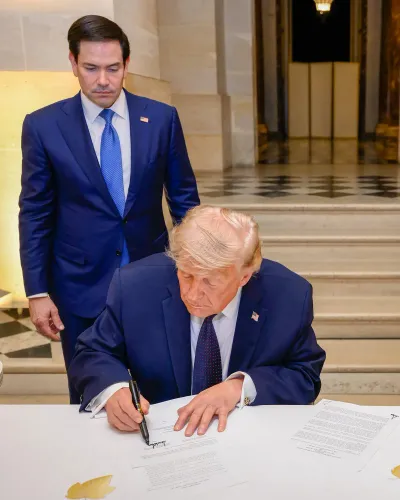
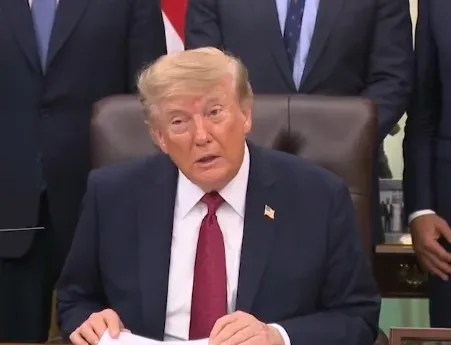
President Donald Trump announced the move on 1 September , with several pharma companies jointly contributing the materials.
The APIs cover medicines for seizures, bacterial infections, high blood pressure, and organ failure .
Commerce Secretary Howard Lutnick described domestic drug manufacturing as a national security requirement , urging companies to reshore production.
FDA commissioner nominee Heidi Overton called for clinical trials and early-stage research to be moved to the United States .
India , a major global API supplier to the US, is directly affected by the administration's reshoring push.
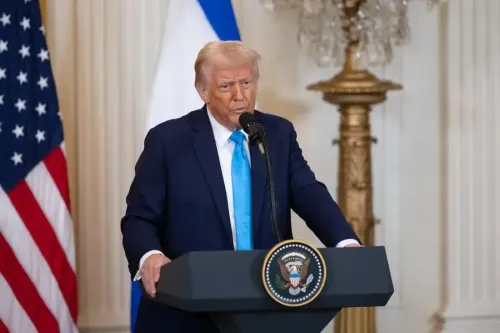
The United States is adding 290 metric tonnes of critical active pharmaceutical ingredients (APIs) to a national strategic reserve, President Donald Trump announced on 1 September, as the administration moves to safeguard medicine supplies against wars and other national emergencies. Several pharmaceutical companies will jointly contribute the ingredients, which are used in treatments for seizures, bacterial infections, high blood pressure, and organ failure.
What the Stockpile Covers
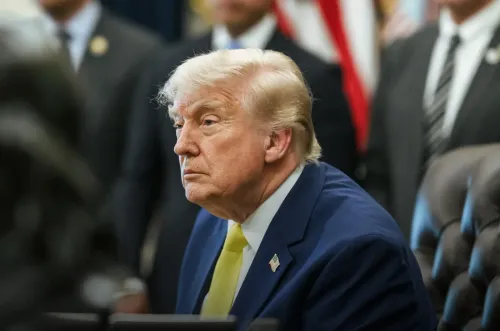
The APIs being added are foundational to some of the most widely used life-saving medicines. Trump, speaking at a White House event, described the reserve as already substantial. 'We have a strategic reserve that is amazing that a lot of people don't know about, but they've just built it up, topping it out,' he said. He added: 'These materials are critical for life-saving medicines used to treat seizures, bacterial infections, high blood pressure and organ failure.'
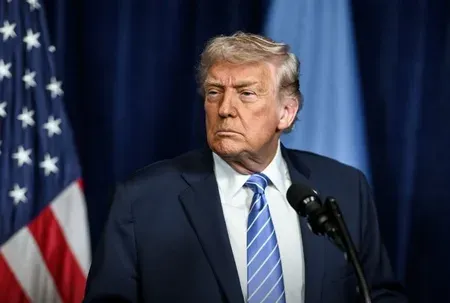
The administration's stated rationale is supply resilience. 'By stockpiling such materials in vast quantities, we can ensure Americans are never left without them in the event of an emergency,' Trump said. 'So, we have an emergency, including wars and lots of other things; we are fully equipped to handle it.'
The Reshoring Imperative
Commerce Secretary Howard Lutnick framed domestic pharmaceutical manufacturing explicitly as a national security matter. 'The Commerce Department is involved because we want these companies to reshore, right? Because reshoring produces national security,' Lutnick said. 'We need our drugs made in America, and then that brings jobs and investment in America,' he added.
The reserve announcement runs parallel to broader administration pressure on pharma companies to shift production capacity back to United States soil — a push that carries both economic and geopolitical dimensions.
FDA Nominee Calls for US-Based Clinical Trials
Heidi Overton, Trump's nominee for Food and Drug Administration (FDA) commissioner, went further, calling for early-stage research and clinical trials to be relocated to the United States as well. 'We want every part of clinical research, clinical trials done here in America to both protect our national security and to make it more affordable,' Overton said. She described the day as 'a huge day for national security.'
India's Role and the Global Supply Chain Context
Global pharmaceutical supply chains are highly fragmented, with APIs, intermediate materials, and finished medicines often produced across multiple countries. Disruptions can stem from conflict, natural disasters, public health emergencies, or logistics breakdowns — vulnerabilities that the COVID-19 pandemic brought into sharp focus.
India is among the world's largest producers of generic medicines and APIs, and is a significant supplier to the US market. The concentration of critical production stages outside American borders has long been cited by Washington policymakers as a strategic vulnerability. The new stockpile initiative signals a concrete step toward reducing that dependence, though analysts note that full supply-chain reshoring would require years of investment and regulatory alignment.
The administration is expected to detail implementation timelines and the specific companies involved in subsequent announcements.
Point of View
With India in the crosshairs. What the announcement does not address is the timeline or cost of genuine reshoring: building US API manufacturing capacity to rival India or China would take a decade and billions in investment. The strategic reserve buys time, but it does not resolve the structural vulnerability. Notably, the inclusion of an FDA nominee in the announcement — calling for clinical trials to move onshore — suggests the administration is framing regulatory reform itself as a supply-chain tool, a conflation that deserves closer scrutiny.
NationPress
16 Oct 2026
Frequently Asked Questions
What is the US pharmaceutical strategic reserve announced by President Trump?
It is a national stockpile of 290 metric tonnes of active pharmaceutical ingredients (APIs), announced on 1 September, to ensure medicine supplies are maintained during wars, natural disasters, or other national emergencies. The materials cover treatments for seizures, bacterial infections, high blood pressure, and organ failure.
Which companies are contributing to the US pharma stockpile?
President Trump stated that several pharmaceutical companies would jointly contribute the active pharmaceutical ingredients, but specific company names were not disclosed in the announcement. Further details are expected in subsequent administration communications.
Why is the US building an emergency medicine stockpile?
The administration cited vulnerability in global pharmaceutical supply chains, which can be disrupted by wars, natural disasters, public health emergencies, and logistics failures. Commerce Secretary Howard Lutnick also framed domestic drug production as a national security requirement, pushing companies to reshore manufacturing to the United States.
How does this affect India's pharmaceutical exports to the US?
India is a major global producer of generic medicines and APIs and is a significant supplier to the US market. The Trump administration's reshoring push and strategic stockpile initiative signal a long-term policy direction that could reduce US reliance on Indian and other overseas API suppliers, though full reshoring would require substantial time and investment.
What did FDA nominee Heidi Overton say about the initiative?
Heidi Overton, Trump's nominee for FDA commissioner, called for clinical trials and early-stage pharmaceutical research to be moved to the United States, framing it as both a national security and affordability measure. She described the announcement as 'a huge day for national security.'