DPDP Act protects press freedom, no curbs on journalism: Ashwini Vaishnaw
Synopsis
India's Information Minister has declared the DPDP Act poses zero threat to press freedom — but 21 news organisations are already in the Supreme Court arguing otherwise. The absence of a dedicated journalism exemption, standard in frameworks like the GDPR, is the fault line at the heart of this standoff, and the court's notice to the Centre means the question will now be tested judicially.
Key Takeaways
Ashwini Vaishnaw stated on 28 October 2026 that the DPDP Act, 2023 does not curtail journalistic freedom in any form.
The minister clarified the law does not require journalists to seek prior clearance from subjects of stories, nor to disclose news sources.
The Digital News Publishers Association (DNPA) , representing 21 leading news organisations, has challenged the Act in the Supreme Court .
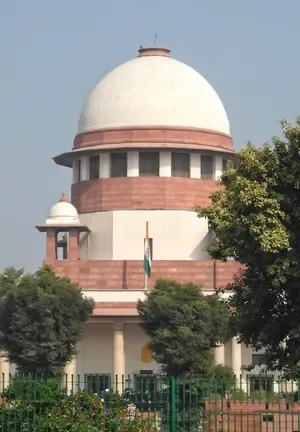
The Supreme Court on 27 October 2026 sought the Centre's response to the DNPA petition.
The DPDP Act, passed in August 2023 , is India's first comprehensive digital personal data protection law but lacks an explicit journalism exemption unlike the EU's GDPR.
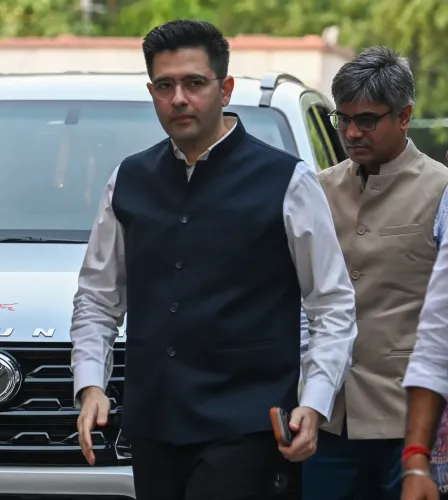
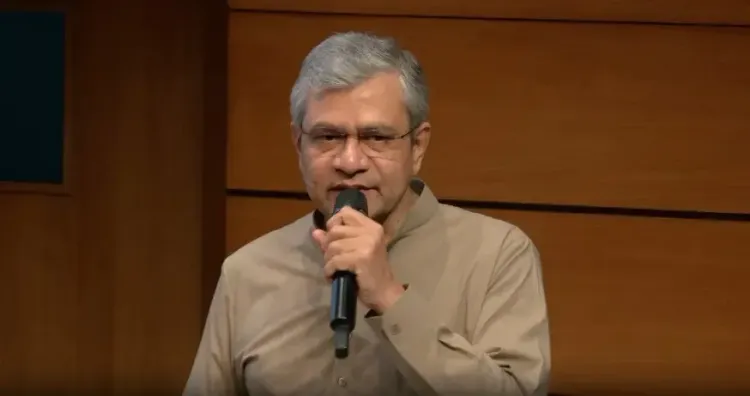
Union Information and Broadcasting Minister Ashwini Vaishnaw on Wednesday, 28 October 2026, firmly asserted that the Digital Personal Data Protection (DPDP) Act, 2023, poses no threat to journalistic freedom and contains no provision that could impede free and independent media reporting. His remarks came a day after the Supreme Court issued notice to the Centre on a petition challenging the law's impact on the press.
What the Minister Said
Vaishnaw stated that the legislation was conceived and enacted as a direct consequence of the Supreme Court's landmark judgment recognising privacy as a fundamental right, and that it underwent extensive public consultation before being passed. 'There is not even an intention to affect freedom. The privacy law absolutely maintains freedom. It has been enacted as a consequence of the Supreme Court judgment that recognised privacy as a fundamental right,' he said.
He further stressed that the law imposes no obligation on journalists to obtain prior clearance before reporting on individuals, nor does it compel the disclosure of confidential news sources. 'There is no provision requiring a reporter to take clearance from a person who is the subject of a story. There is also no clause that compels disclosure of the source of a story,' Vaishnaw said. 'The consultation process continued for a month and the industry was part of it. Nowhere does the law infringe upon journalistic freedom,' he added.
The Legal Challenge
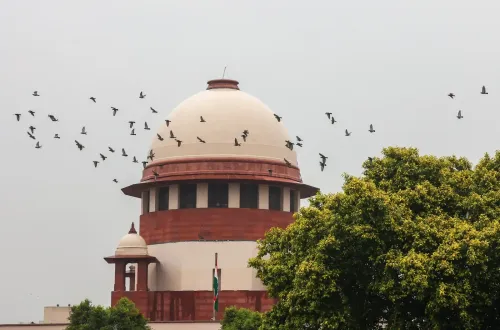
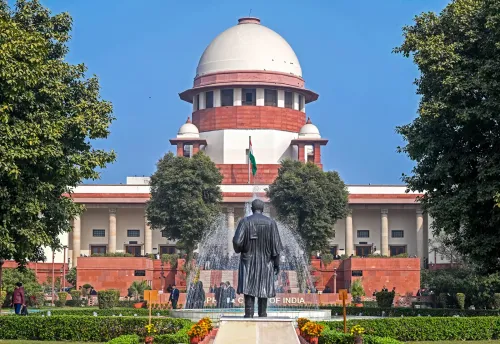
The minister's statement follows a petition filed by the Digital News Publishers Association (DNPA), which represents 21 leading news organisations, before the Supreme Court. The association has challenged the DPDP Act on grounds that its failure to include a specific exemption for journalistic activities could adversely affect investigative reporting and public-interest journalism, while also weakening citizens' right to information. On Tuesday, 27 October 2026, the Supreme Court sought the Centre's formal response to the petition.
About the DPDP Act
The DPDP Act was passed by Parliament in August 2023, making it India's first comprehensive legislation governing the protection of digital personal data. The law permits the processing of personal data either with the explicit consent of individuals or under certain 'legitimate uses' defined under Section 7 of the Act. Critically, unlike several international data protection frameworks — including the European Union's General Data Protection Regulation (GDPR), which explicitly carves out exemptions for journalism and research — the DPDP Act does not include a dedicated journalism exemption, a gap that the DNPA argues creates legal uncertainty for newsrooms.
Why This Matters for Press Freedom
The debate over the DPDP Act's impact on the media reflects a broader global tension between data privacy rights and the press's constitutional mandate to inform the public. In India, the right to freedom of speech and expression — which underpins journalistic freedom — is guaranteed under Article 19(1)(a) of the Constitution. Vaishnaw invoked this framework directly, noting that constitutional guarantees remain fully intact. Critics, however, argue that the absence of an explicit statutory exemption leaves journalists and news organisations exposed to potential legal action from individuals who are the subject of reporting, even when such reporting serves clear public interest. This is not the first time the DPDP Act has faced scrutiny — civil society groups and digital rights organisations have previously flagged concerns about its broad data-processing provisions and limited safeguards for free expression.
What Happens Next
The Supreme Court's notice to the Centre sets the stage for a substantive judicial examination of whether the DPDP Act, as currently worded, adequately protects press freedom. The government will now be required to file a detailed response. Media organisations and legal experts will watch closely for whether the court directs Parliament to introduce a formal journalism exemption or accepts the government's position that existing provisions are sufficient. The outcome could have significant implications for newsrooms, investigative journalists, and the broader information ecosystem in India.
Point of View
But they do not resolve the statutory ambiguity at the centre of this dispute. The DPDP Act's silence on journalism is not a technicality — it is the gap through which legal challenges against newsrooms could enter. Internationally, every mature data protection regime from the GDPR to the UK's Data Protection Act explicitly carves out journalism; India's law does not. The minister's argument that constitutional guarantees suffice places the burden of proof on journalists rather than on the law, which is precisely the chilling effect media organisations fear. The Supreme Court's notice is the appropriate mechanism to resolve this — and its eventual ruling will either close or widen that gap.
NationPress
28 Oct 2026
Frequently Asked Questions
What is the DPDP Act and why is it controversial for journalists?
The Digital Personal Data Protection (DPDP) Act, 2023 is India's first comprehensive law governing how digital personal data is collected and processed. It is controversial for journalists because, unlike comparable laws in the EU and UK, it does not include a specific exemption for journalistic or public-interest reporting, creating legal uncertainty for newsrooms and investigative reporters.
What has Minister Ashwini Vaishnaw said about the DPDP Act and press freedom?
Vaishnaw said the DPDP Act fully safeguards journalistic freedom and contains no provision that could undermine media reporting. He specifically clarified that the law does not require journalists to obtain clearance before reporting on individuals, nor does it compel them to disclose confidential sources.
Who has challenged the DPDP Act in the Supreme Court?
The Digital News Publishers Association (DNPA), which represents 21 leading news organisations, has filed a petition in the Supreme Court challenging the Act. The association argues that the absence of a journalism exemption could hamper news gathering, weaken investigative reporting, and undermine citizens' right to information.
What did the Supreme Court do in response to the DNPA petition?
On 27 October 2026, the Supreme Court issued a notice to the Centre seeking its formal response to the DNPA petition. The government's reply will be a key step in determining whether the court proceeds to scrutinise the Act's provisions as they relate to press freedom.
How does the DPDP Act differ from international data protection laws on journalism?
Major international frameworks such as the European Union's GDPR and the UK's Data Protection Act explicitly carve out exemptions for journalistic, artistic, and research activities, allowing reporters to process personal data in the public interest without consent. India's DPDP Act, 2023 does not include such a dedicated exemption, which critics argue leaves journalists legally exposed.