Sonam Wangchuk writes to President Murmu over Siang Dam protests, Arunachal ecology
Synopsis
Sonam Wangchuk, the Ladakh activist known for his Himalayan environmental campaigns, has written directly to President Droupadi Murmu demanding she intervene in Arunachal Pradesh's Siang Valley — where indigenous Adi communities opposing a massive dam project reportedly face arrests, police excesses, and 'anti-national' labels. The letter draws a pointed parallel with Ladakh's own unresolved Sixth Schedule demands.
Key Takeaways
Sonam Wangchuk wrote to President Droupadi Murmu on 3 November 2026 urging intervention in the Siang Valley , Arunachal Pradesh.
The letter concerns indigenous Adi community resistance to the proposed Siang Upper Multipurpose Project .
Wangchuk cited reports of security deployments, activist arrests , and alleged police excesses against elderly villagers .
He warned that labelling border communities as 'foreign-funded' weakens national security rather than strengthening it.
The letter calls for withdrawal of security forces, release of detainees, a halt to coercive measures, and an independent environmental and seismic assessment of the dam.
Wangchuk drew parallels with Ladakh's unresolved Sixth Schedule demands and cited the Sikkim Teesta glacial flood as a seismic risk precedent.
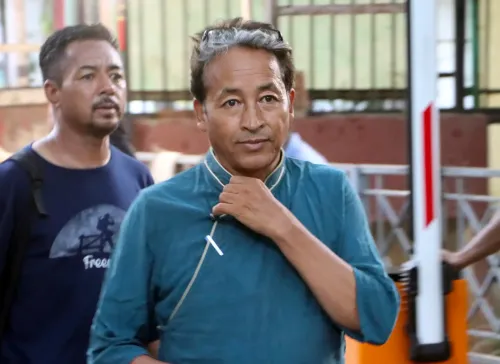
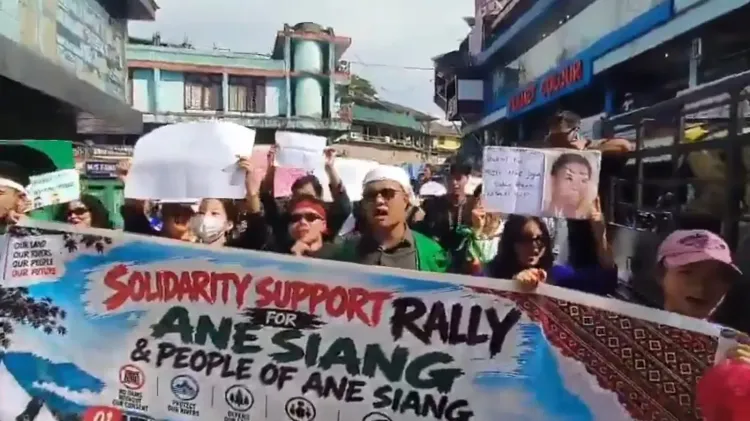
Ladakh climate activist Sonam Wangchuk on Tuesday, 3 November 2026, wrote a detailed letter to President Droupadi Murmu, urging her to intervene over the rights of indigenous communities, democratic freedoms, and the fragile Himalayan ecology in Arunachal Pradesh's Siang Valley. The appeal centres on mounting resistance by the Adi people against the proposed Siang Upper Multipurpose Project, which has reportedly triggered heavy security deployments, activist arrests, and restrictions on villagers.
The Core Appeal
Writing with what he described as 'a heavy heart,' Wangchuk told the President that he has spent decades working to protect the Himalayan environment in Ladakh, and that indigenous communities across both cold deserts and lush valleys share an intrinsic bond with their mountains, rivers, and forests. He stressed that the lives, cultures, and national security of these communities are closely tied to the health of these ecosystems.
Addressing President Murmu — herself from an indigenous tribal background — Wangchuk argued that she would understand that nature, for Himalayan peoples, is 'not merely a resource to be exploited, but a mother to be protected.' He noted that the Adi community reveres their river as Aane Siang (Mother Siang), a relationship mirroring the sacred bond Ladakhis maintain with their glaciers.
Reported Crackdown in Siang Valley
Wangchuk cited reports of heavy security personnel deployment in the Siang Valley, arrests of young activists, and restrictions imposed on villagers protesting the project. He also highlighted allegations of police excesses against elderly villagers and criminal cases registered against those opposing the dam. Expressing particular distress, he raised concern over attempts to label citizens voicing legitimate environmental objections as 'anti-national' or 'foreign-funded.'
The activist drew a direct parallel with Ladakh, where residents have spent years peacefully demanding constitutional safeguards under the Sixth Schedule to protect their ecology, ancestral lands, and cultural identity — demands that remain unresolved.
National Security Argument
Wangchuk asserted that residents of both Ladakh and Arunachal Pradesh have historically stood alongside the Indian armed forces during wars and border crises, often under hostile conditions. He cautioned that branding border populations as foreign-funded weakens national security rather than strengthening it, arguing that the trust and active cooperation of local communities remain strategic assets in sensitive frontier zones.
Ecological and Seismic Concerns
On environmental grounds, Wangchuk pointed to the seismically active nature of the Himalayas and recalled the catastrophic glacial lake outburst flood in Sikkim's Teesta basin as a cautionary precedent against large-scale infrastructure interventions in mountain river systems. He urged that no further project-related action be taken without an independent and comprehensive assessment of the dam's environmental, geological, seismic, and social impacts.
What Wangchuk Is Demanding
Wangchuk's letter to the President lays out four specific requests: the withdrawal of excessive security forces from civilian areas in the Siang Valley; the release of individuals detained for peaceful protests and withdrawal of criminal cases, alongside an independent inquiry into alleged police excesses; a halt to coercive measures pending meaningful dialogue with affected indigenous communities over land rights; and a comprehensive independent assessment of the project's impacts before any further steps are taken.
With the Siang dam debate intensifying and parallels being drawn to unresolved disputes in Ladakh, the President's response — or silence — is likely to shape how Delhi engages with Himalayan indigenous communities on large infrastructure questions in the months ahead.
Point of View
He sidesteps the Centre while placing the constitutional and tribal welfare argument squarely on the record. The framing is notable: casting dam opposition as a national security asset, not a liability, directly counters the 'anti-national' narrative being used against protestors. What is missing from the public discourse is any independent verification of the security crackdown allegations, but the pattern — large infrastructure project, indigenous resistance, criminalization of protest — is one that has repeated itself across Northeast India and Ladakh with little systemic correction. The President's role here is largely symbolic, but presidential attention has historically shifted the political temperature on tribal land disputes.
NationPress
3 Nov 2026
Frequently Asked Questions
Why has Sonam Wangchuk written to President Murmu about Arunachal Pradesh?
Sonam Wangchuk wrote to President Droupadi Murmu on 3 November 2026 to urge her intervention over the alleged crackdown on indigenous Adi communities opposing the Siang Upper Multipurpose Project in Arunachal Pradesh's Siang Valley. He cited reports of security deployments, arrests of activists, police excesses against elderly villagers, and the labelling of protestors as 'anti-national.'
What is the Siang Upper Multipurpose Project?
The Siang Upper Multipurpose Project is a large proposed dam on the Siang river in Arunachal Pradesh. Indigenous Adi communities, who revere the river as Aane Siang (Mother Siang), have been resisting the project over concerns about land rights, ecology, and the seismic vulnerability of the Himalayan region.
What specific actions is Wangchuk demanding from the President?
Wangchuk has urged President Murmu to facilitate four steps: withdrawal of excessive security forces from Siang Valley civilian areas; release of detainees and withdrawal of criminal cases, with an independent inquiry into alleged police excesses; a halt to coercive project-related actions pending dialogue with affected communities; and an independent environmental, geological, seismic, and social impact assessment before the project proceeds further.
How does Wangchuk connect the Siang Valley situation to Ladakh?
Wangchuk drew a parallel between Arunachal Pradesh and Ladakh, noting that Ladakhis have spent years peacefully demanding Sixth Schedule constitutional protections for their ecology, ancestral lands, and cultural identity without resolution. He argued that both regions share an intrinsic bond with their Himalayan environments and that both communities have historically supported Indian armed forces in border zones.
What ecological risks did Wangchuk raise about the Siang dam?
Wangchuk pointed to the seismically active nature of the Himalayas and cited the catastrophic glacial lake outburst flood in Sikkim's Teesta basin as a warning against large-scale dam infrastructure in mountain river systems. He called for a comprehensive independent assessment of the project's environmental, geological, seismic, and social impacts before any further action.