Are Women Candidates in Bangladesh Elections Facing Cyber Abuse and Threats?
Synopsis
As Bangladesh gears up for its national elections, women candidates are battling a surge of cyber abuse, harassment, and misinformation. This troubling trend not only highlights ongoing gender inequality in politics but also raises concerns about the integrity of the electoral process. Will these women be able to overcome the barriers and make their voices heard?
Key Takeaways
4% of candidates in Bangladesh's elections are women.
Women are facing cyber harassment and intimidation tactics.
Political parties are largely failing to nominate female candidates.
Gendered attacks focus on character rather than policy.
The upcoming elections highlight ongoing gender disparities in politics.
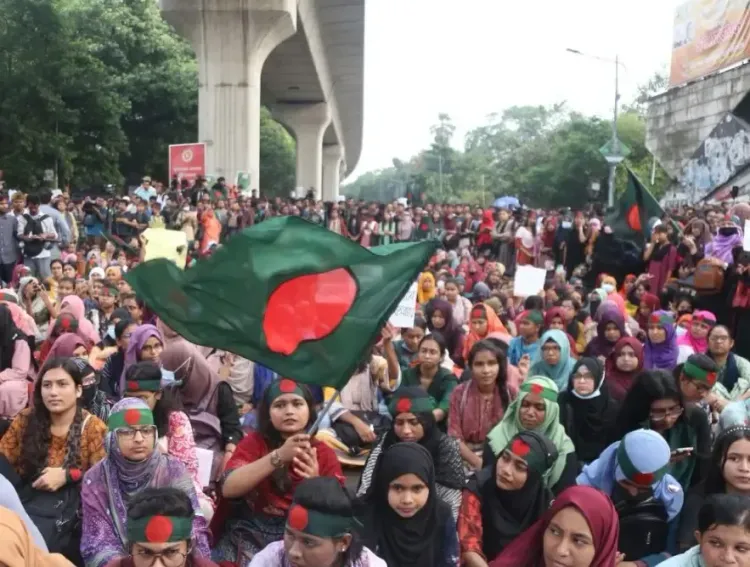
Dhaka, Feb 8 (NationPress) As Bangladesh approaches its significant national elections, women candidates are facing an escalating tide of cyber harassment, organized online abuse, and targeted disinformation, as reported by local media.
With only about four percent of candidates being women, this highlights the deep-rooted gender barriers in a political sphere where women comprise half the population yet barely appear on the ballot.
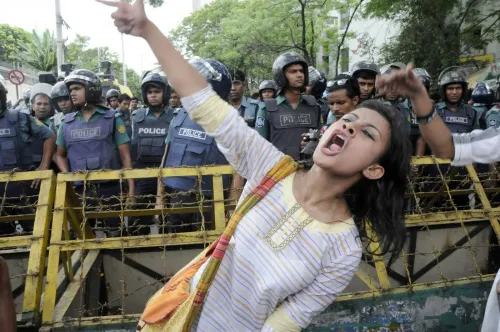
Numerous women candidates across various constituencies have reported systematic cyberbullying, character defamation, sexual harassment, and threats, both online and offline, designed to intimidate them and undermine their campaigns, according to local reports.
Dilshana Parul, a candidate from the National Citizen Party (NCP) representing Dhaka-19, has complained of persistent online trolling, particularly regarding her decision to wear a headscarf.
“The harassment comes not only from supporters of competing parties but also from those who identify as progressive. I feel I have been one of the most targeted individuals,” she stated, as reported by The Dhaka Tribune.
Parul also mentioned receiving physical threats directed at her campaign team. “Recently, my team was attacked at a rural electricity site. I have received warnings that a former ward commissioner is threatening my female workers to deter them from voting. The threats escalate whenever it seems the BNP might be losing ground,” she shared.
Emphasizing the gender-specific nature of attacks, Parul remarked that while male politicians face criticism mainly over corruption or policy matters, women are attacked on personal grounds.
“Nevertheless, I will persist in my efforts on the ground and concentrate on improving my constituency,” she added.
Nabila Tasnid, another NCP candidate from Dhaka-20, described her campaign atmosphere as far from equitable. “Our banners and festoons have been vandalized. When we reported this to the authorities, they requested photo or video evidence, which indicates where the institutional support lies,” she stated.
Tasnid accused groups aligned with a coalition of disseminating misinformation and questioning the legitimacy of women leaders. “They argue that society is not ready to accept women leaders. Their primary tools are online propaganda and character assassinations,” she explained, adding that her campaign agenda emphasizes agriculture, farmers' rights, employment, technical education, and opportunities for women abroad.
Taslima Akhter, a candidate from Dhaka-12 representing Gonoshonghoti Andolon, pointed out that online harassment is rampant because it’s easier to attack anonymously. “When the target is a woman, it becomes even simpler,” she noted, asserting that intimidation will not prevent her from advocating for women's rights, free education up to grade twelve, and actions against corruption, extortion, and drug trafficking.
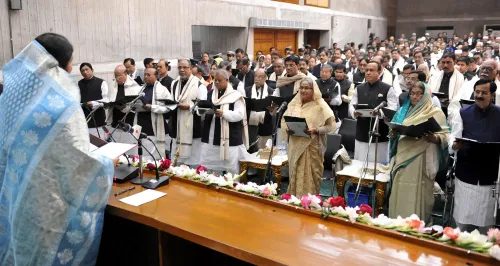
This harassment occurs within a broader context of women's marginalization in electoral politics. According to the Election Commission, women constitute only 4 percent of candidates, and 30 out of 51 political parties contesting the elections have not nominated a single female candidate.
Reports indicate that rising lawlessness is also a significant factor discouraging women from running for office.
The upcoming 13th parliamentary elections, set for February 12, are already characterized by the absence of the Awami League and a notably low number of female candidates.
Moreover, gender exclusion has been reinforced by ideological stances. Bangladesh Jamaat-e-Islami Ameer Shafiqur Rahman has previously stated that women cannot occupy the party's highest leadership roles, citing religious obligations and what he described as “biological limitations,” asserting that Islamic principles disallow women from serving as 'ameer'.
Observers note that the combination of cyber abuse, political violence, institutional reluctance, and ideological barriers raises serious concerns regarding Bangladesh’s dedication to an inclusive and representative democracy.
Point of View
It is crucial to recognize the systemic barriers women face in Bangladesh's political landscape. The pervasive cyber harassment and intimidation tactics serve as a reminder of the urgent need for gender equality in governance. As a nation, we must support women's participation in politics and strive for a more inclusive democracy.
NationPress
27 Sept 2026
Frequently Asked Questions
What is the current status of women candidates in Bangladesh's elections?
Women constitute only about 4% of candidates in the upcoming national elections, highlighting significant gender barriers.
What types of harassment are women candidates facing?
Women candidates are experiencing cyberbullying, sexual harassment, threats, and organized disinformation campaigns.
How are political parties responding to the lack of female candidates?
Many political parties have not nominated any women, with 30 out of 51 parties contesting not fielding a single female candidate.
What impact does cyber harassment have on women's political participation?
Cyber harassment serves to intimidate women and discourage their participation in the electoral process, perpetuating gender inequality.
What are the broader implications of these challenges?
The convergence of cyber abuse and political violence raises serious concerns about Bangladesh's commitment to inclusive and representative democracy.