Are Concerns Growing in Bangladesh Over Women's Representation and Security Before the February Poll?
Synopsis
In Bangladesh, the push for adequate representation and security for women in the upcoming elections is intensifying. Activists are calling for reforms to ensure fair participation in the democratic process, highlighting alarming statistics and systemic issues that hinder women's involvement.
Key Takeaways
Increased activism surrounding women's representation in Bangladeshi elections.
Need for gender-sensitive electoral reforms.
Significant underrepresentation of women candidates.
Concerns over violence and intimidation against women and minorities.
Historical role of women in promoting democratic rights.
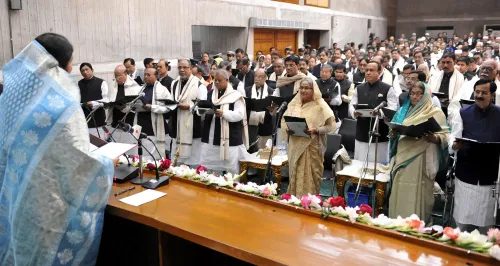
New Delhi, Jan 27 (NationPress) Voices in Bangladesh are increasingly expressing worries about the insufficient representation of women within the nation's electoral framework, despite having had at least two female Prime Ministers in Dhaka.
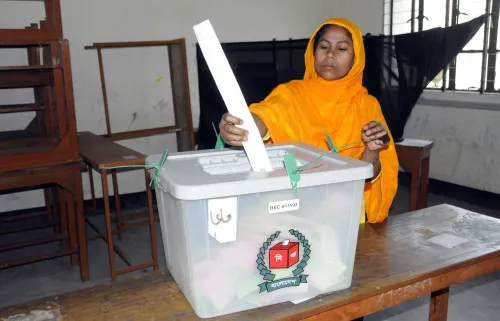
Recently, the Daily Star reported that women's rights advocates are urging the Election Commission to guarantee adequate security and conduct polls that are sensitive to gender issues.
These advocates have raised alarms about the potential for violence and intimidation targeting women and minorities as the February 12 general elections approach.
An opinion piece published on January 19 lamented the minimal presence of women candidates in the upcoming elections, identifying “systemic design and failure” as the primary culprits.
It stated, “The underrepresentation of women candidates is not a reflection of their competence or desire to lead, but rather a consequence of systemic failures.”
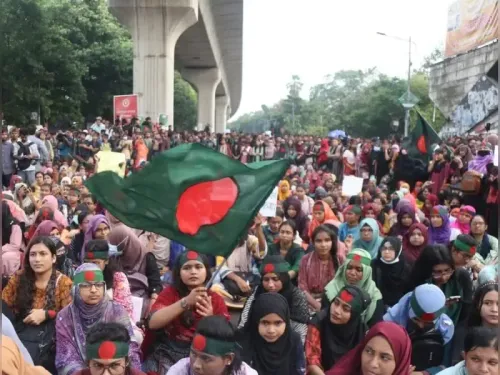
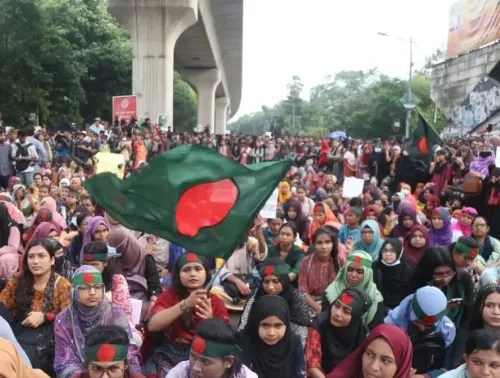
On Tuesday, activists from the Samajik Protirodh (Social Resistance) Committee presented a memorandum to Bangladesh’s Chief Election Commissioner, demanding essential measures that allow all citizens, irrespective of gender, religion, ethnicity, or social standing, to exercise their voting rights freely.
This committee, which includes 71 organizations focused on women's rights, human rights, and development, highlighted the need to restore democratic norms as the election date approaches. In her opening remarks, Fauzia Moslem, president of Bangladesh Mahila Parishad, emphasized this pressing issue.
Women's organizations have persistently advocated for significant representation within the Parliament, including increasing reserved seats, revising the voting system for these seats, and encouraging political parties to nominate more women candidates.
However, progress has been disappointingly slow in these areas, according to the latest reports.
Fauzia pointed out that women constitute only about 4.2 percent of candidates in the upcoming elections, a statistic deemed unacceptable by advocates for women's rights.
Women’s organizations have previously met with the Election Commission, proposing recommendations regarding candidate selection, the influence of money and power in elections, and broader electoral reforms from a gender perspective.
While the commission has addressed voting access for individuals with disabilities, there has been no notable response regarding other demands made by women's groups.
Additionally, it was reported that the Election Commission has not acknowledged the request from the Samajik Protirodh Committee for a meeting to discuss these concerns.
The memorandum asserted that parliamentary elections are a fundamental aspect of democracy and acknowledged the historic role of women in advocating for democratic rights in Bangladesh.
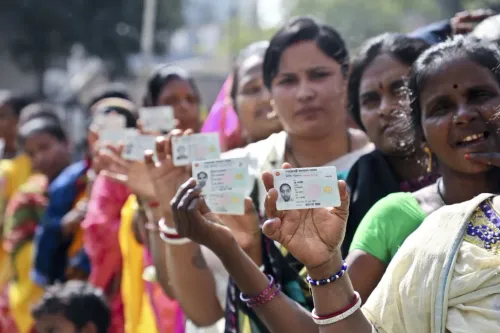
Despite this, the committee stated that women, religious minorities, indigenous groups, and the economically disadvantaged are frequently regarded merely as voters rather than as full citizens in the electoral and governance processes.
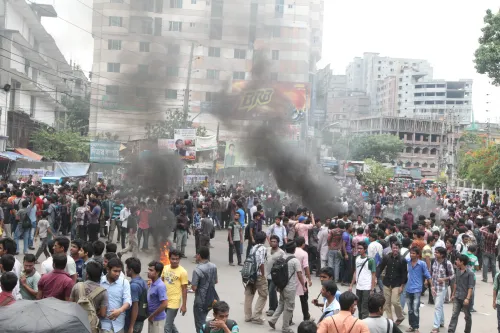
Expressing anxiety over the current electoral climate, the committee noted reports of violence and intimidation against women, minorities, and marginalized groups as the elections draw nearer, according to media reports.
Point of View
It is imperative to recognize the systemic barriers that hinder women's participation in Bangladesh's political landscape. The upcoming elections present an opportunity for reform, but without addressing these deep-rooted issues, true democracy remains unattainable. We must support the call for equal representation and security for all citizens.
NationPress
29 Sept 2026
Frequently Asked Questions
What are the main concerns regarding women's representation in Bangladesh's elections?
The primary concerns revolve around the insufficient number of women candidates, systemic barriers to their participation, and issues of security and violence leading up to the elections.
What steps are activists urging the Election Commission to take?
Activists are asking the Election Commission to ensure gender-sensitive reforms in the electoral process, enhance security for women, and increase the nomination of female candidates.
How many women candidates are expected to participate in the upcoming elections?
Reports indicate that women constitute only around 4.2 percent of candidates in the upcoming elections.
What role have women historically played in Bangladesh's democracy?
Women have been pivotal in advocating for democratic rights in Bangladesh, often leading movements to establish and protect these rights.
Are there specific organizations working on these issues?
Yes, several organizations, including the Samajik Protirodh Committee and Bangladesh Mahila Parishad, are actively advocating for women's rights and representation in the electoral process.