Why Are Women Underrepresented in Bangladesh Elections Amid Rising Violence?
Synopsis
As Bangladesh approaches its elections, women's rights activists are sounding the alarm over increasing violence and intimidation against women and minorities. They demand more representation in parliament and urge the Election Commission to ensure a safe and equitable voting environment. Will their voices be heard?
Key Takeaways
Activists highlight the urgent need for greater women's representation in parliament.
Only 4.2% of candidates in the upcoming elections are women.
Violence and intimidation against women and minorities are on the rise.
Activists call for reforms and guarantees from the Election Commission.
Women's contributions to democratic movements are historically significant.
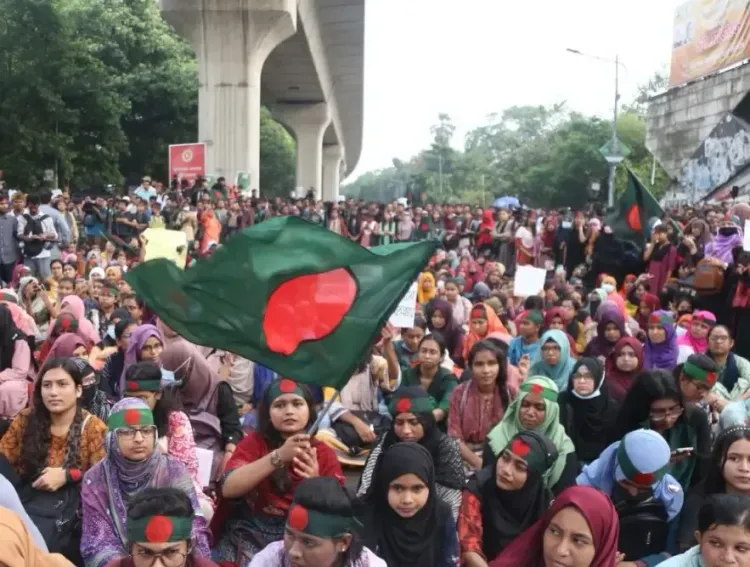
Dhaka, Jan 27 (NationPress) Women's rights advocates voiced their alarm regarding the escalating violence and intimidation directed at women and minorities in Bangladesh as the nation approaches its elections on February 12. They reiterated their persistent call for meaningful representation in parliament.
Among their demands are the need to increase the number of reserved seats for women, reform the voting process for these seats, and urge political parties to nominate a larger number of women candidates, as reported by local media.
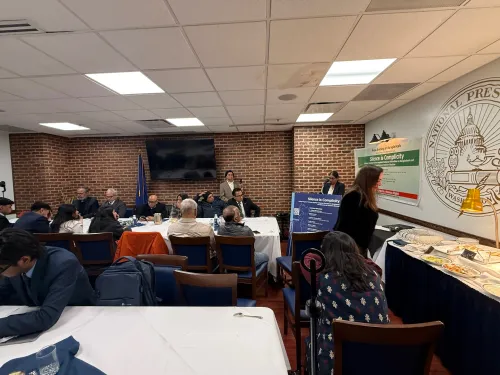
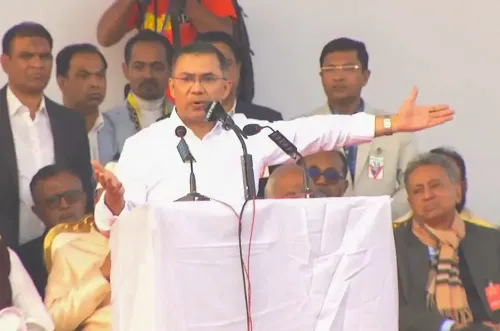
During a press conference hosted by the Samajik Protirodh Committee, which includes 71 organizations focused on women's rights, human rights, and development, Fauzia Moslem, president of the Bangladesh Mahila Parishad, emphasized the disappointing progress regarding women's representation in the nation.
Fauzia noted that women account for a mere 4.2 percent of candidates in the forthcoming elections, labeling these numbers as unacceptable.
Activists also urged the Bangladesh Election Commission (EC) to ensure adequate security and a gender-sensitive atmosphere leading up to the elections.
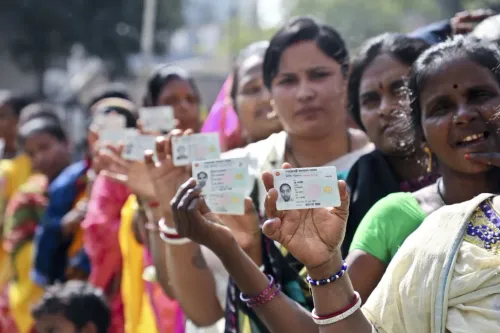
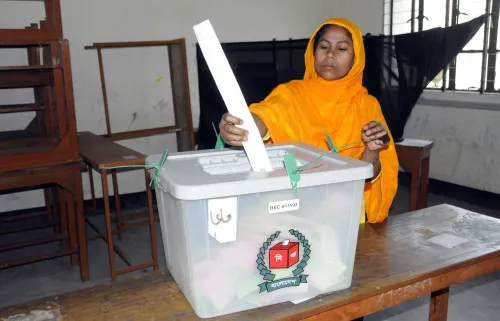
They stressed the importance of these measures to guarantee that all citizens, irrespective of gender, religion, ethnicity, or social status, can exercise their right to vote freely.
As the election date approaches, activists have expressed their concerns and proposals to the Election Commission via media channels, as reported by The Daily Star.
Fauzia pointed out that the safety of women candidates, along with issues of communalism and violence against women, remain crucial.
During the press conference, Morium Nesa, manager of the Women's Rights and Gender Equity team at Action Aid Bangladesh, presented a memorandum to the Chief Election Commissioner.
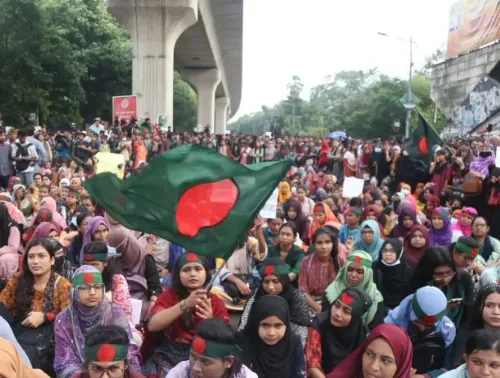
This memorandum characterized the parliamentary elections as a vital aspect of democracy and acknowledged the historical contributions women have made in advocating for democratic rights in Bangladesh.
Despite this, the document highlighted that women, religious minorities, indigenous groups, and the economically disadvantaged often find themselves treated as mere vote banks rather than as full citizens during elections and governance.
The committee raised concerns over the current election climate, citing reports of violence and intimidation aimed at women, minorities, and marginalized communities as the polls draw near.
As Bangladesh gears up for its 13th parliamentary election and referendum on February 12, EC data reveals that only 81 out of the 1,981 candidates contesting across the 300 parliamentary constituencies are women, representing just 4.08 percent of the total. This is in stark contrast to repeated political commitments to enhance women's participation, according to local media.
This dismal statistic has drawn significant criticism from women's rights activists, especially in light of the promises made under the July Charter, which included recommendations from the Bangladesh National Consensus Commission.
Since the interim government led by Muhammad Yunus took office, Bangladesh has witnessed increasing violence against women and children, with critics warning that excluding women from decision-making processes poses a serious threat.
Point of View
The situation surrounding the upcoming elections in Bangladesh underscores a persistent struggle for women's rights. The alarming reports of violence and intimidation against women highlight the urgent need for reform and the importance of ensuring that all citizens are afforded the opportunity to participate fully in the democratic process.
NationPress
27 Oct 2026
Frequently Asked Questions
What is the current representation of women in Bangladesh elections?
Women make up only 4.2% of candidates in the upcoming elections, highlighting a significant gap in representation.
What actions are activists calling for regarding women's rights?
Activists are demanding increased reserved seats for women, reforms in the voting mechanism, and more nominations of women candidates by political parties.
How is violence affecting the elections in Bangladesh?
Reports indicate escalating violence and intimidation targeting women and minorities, which poses a serious threat to free and fair elections.
What is the role of the Bangladesh Election Commission in this context?
The Election Commission is urged to ensure security and a gender-sensitive environment for all voters leading up to the elections.
Why is women's participation in politics crucial?
Women's participation is vital for reflective governance and ensuring that diverse perspectives are considered in decision-making.