Toyota Innova 100% bioethanol variant to launch Nov 26, fuel cost equal to ₹25–30/L petrol: Gadkari
Synopsis
Union Minister Nitin Gadkari has confirmed that Toyota will launch a 100% bioethanol-powered Innova on 26 November — with an effective running cost equivalent to just ₹25–30 per litre of petrol. With ethanol priced at ₹75/L against petrol's ₹120/L, and onboard electricity generation offsetting 60% of power needs, this could be the most compelling cost-of-ownership argument for a green vehicle yet made in India.
Key Takeaways
Union Minister Nitin Gadkari announced the launch of a 100% bioethanol-powered Toyota Innova on 26 November 2026 .
The vehicle runs entirely on bioethanol at approximately ₹75 per litre , versus petrol at ₹120 per litre .
It generates nearly 60% of its power through electricity while running, bringing the effective cost down to ₹25–₹30 per litre petrol equivalent.
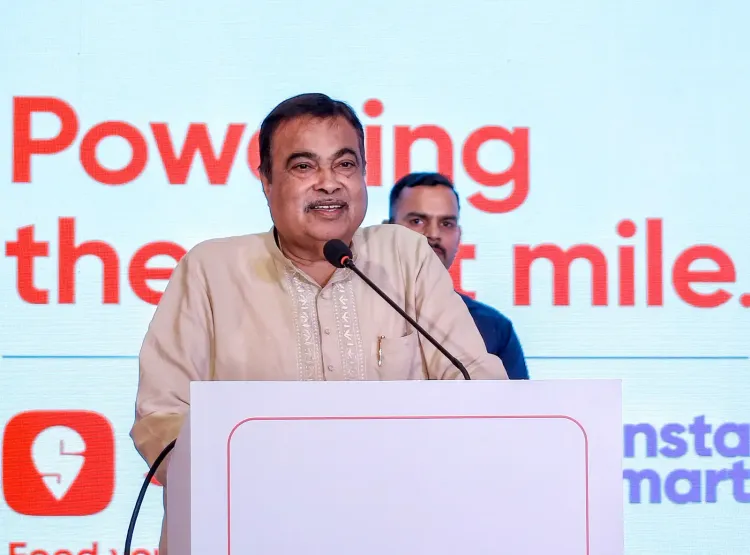
Gadkari made the announcement at the 'Powering the Next Mile' conclave in New Delhi on 4 November 2026 .
The launch is part of India's wider push toward alternative fuels, domestic energy production, and reduced fossil-fuel import dependence.
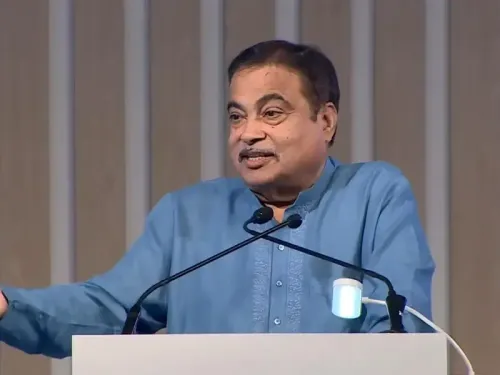
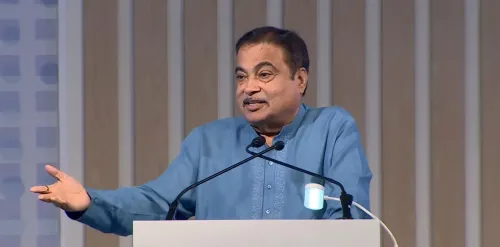
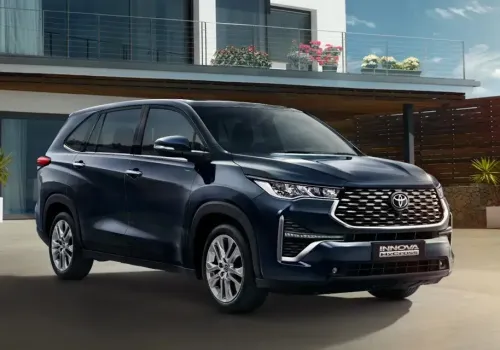
Union Minister Nitin Gadkari on Tuesday, 4 November 2026, announced that Toyota will launch a new variant of the Innova running entirely on 100 per cent bioethanol later this month, as the Centre intensifies its push toward cleaner, cost-effective alternatives to conventional fossil fuels. The launch is scheduled for 26 November and is expected to significantly reduce running costs for consumers.
What Gadkari Announced
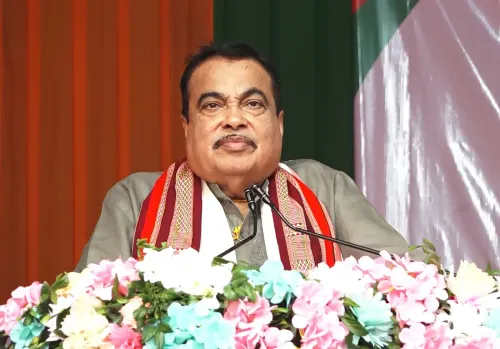
Speaking at the 'Powering the Next Mile' conclave in New Delhi, Gadkari confirmed the vehicle will operate solely on bioethanol, completely replacing petrol. The minister quoted the current price of ethanol at approximately ₹75 per litre, compared to petrol at around ₹120 per litre.
'This month, on November 26, I am going to launch Toyota's four-wheeler Innova, which will run entirely on 100 per cent bioethanol instead of petrol,' Gadkari stated at the event.
How the Effective Cost Works Out
Gadkari explained that the vehicle would generate nearly 60 per cent of its power through electricity while running on bioethanol, further driving down the effective operating cost. When this electricity generation is factored in, the real-world fuel equivalent works out to approximately ₹25–₹30 per litre of petrol — less than a quarter of the current petrol price.
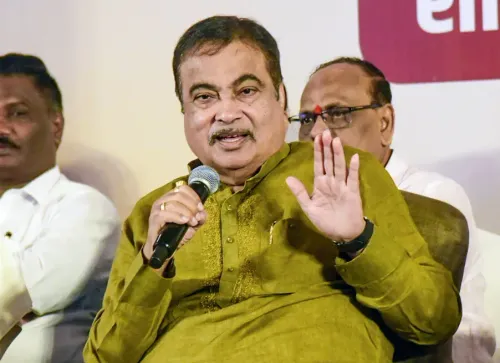
'The price of ethanol is ₹75 per litre, while petrol costs ₹120 per litre. This vehicle will also generate 60 per cent of its power through electricity while running. So, when calculated on an average basis compared to petrol, the effective cost will be equivalent to ₹25–₹30 per litre,' the minister stated.
Broader Push for Green Mobility
Gadkari framed the Innova bioethanol launch within India's wider alternative-fuel and electric vehicle ambitions. He said green, safe, and inclusive technologies — including electric and alternative-fuel vehicles — would benefit both individual consumers and the national economy by reducing fuel costs and dependence on imported fossil fuels.
The minister also recalled his role in launching the first electric two-wheelers produced by Bajaj and TVS, which initially offered a driving range of around 125 kilometres. He noted that several startups subsequently reduced battery capacity to lower prices, with electric scooters being sold for around ₹70,000–₹72,000, though the range dropped to approximately 70 kilometres.
Why This Matters
India is the world's third-largest oil importer, and fuel costs remain a significant burden on household budgets. A mass-market vehicle like the Innova — a staple of commercial and family transport — running on domestically produced bioethanol could meaningfully shift fuel economics for a large segment of users. Notably, bioethanol is produced domestically from agricultural feedstock such as sugarcane and maize, reducing import dependency. This announcement comes amid India's accelerating push toward an E20 blending mandate and broader energy transition targets.
What Happens Next
The formal launch on 26 November is expected to be attended by Toyota's India operations leadership, with pricing and availability details likely to follow. Industry observers will watch whether this vehicle sparks a broader shift among automakers toward flex-fuel and pure-bioethanol powertrains in the mass-market segment.
Point of View
A message that cuts directly against the perception that eco-friendly vehicles are a luxury. But the proof will be in the retail pricing and service infrastructure, neither of which has been detailed. Bioethanol supply chains in India remain concentrated in sugarcane-surplus states; a national rollout would require significant fuelling infrastructure investment. If those gaps are not addressed, the Innova bioethanol variant risks remaining a demonstration vehicle rather than a genuine mass-market disruptor.
NationPress
4 Nov 2026
Frequently Asked Questions
What is the Toyota Innova bioethanol variant announced by Gadkari?
It is a new version of the Toyota Innova that runs entirely on 100 per cent bioethanol instead of petrol, announced by Union Minister Nitin Gadkari on 4 November 2026. The launch is scheduled for 26 November 2026.
What will be the effective fuel cost of the bioethanol Toyota Innova?
The effective operating cost is estimated to be equivalent to approximately ₹25–₹30 per litre of petrol, according to Gadkari. This is because the vehicle generates around 60 per cent of its power through electricity while running, reducing the net cost of the ₹75-per-litre bioethanol significantly.
How does bioethanol compare to petrol in terms of price?
Bioethanol is currently priced at around ₹75 per litre, compared to petrol at approximately ₹120 per litre, according to Gadkari. When the vehicle's onboard electricity generation is factored in, the effective cost falls further to around ₹25–₹30 per litre petrol equivalent.
Why is the government promoting bioethanol vehicles?
The Centre is pushing bioethanol and other alternative-fuel vehicles to reduce India's dependence on imported fossil fuels and lower fuel costs for consumers. Bioethanol is produced domestically from agricultural feedstock, supporting both energy security and farm incomes.
What else did Gadkari say about electric vehicles at the conclave?
Gadkari noted that he had launched the first electric two-wheelers by Bajaj and TVS, which initially offered a 125-kilometre range. He observed that startups later reduced battery capacity to cut prices to around ₹70,000–₹72,000, though the range fell to about 70 kilometres.