How Did the Adani Foundation and Adani Electricity Celebrate National Girl Child Day Across Mumbai Schools?
Synopsis
On January 24, the Adani Foundation and Adani Electricity celebrated National Girl Child Day in Mumbai, focusing on empowerment and equality for young girls in BMC schools. This innovative initiative aims to foster self-confidence among girls while involving boys as allies in promoting empathy.
Key Takeaways
Project Utthan focuses on early empowerment and equality for young girls.
The initiative uses experiential learning methods to build confidence.
It includes boys as allies to promote shared responsibility.
Engagement with local communities through Utthan Sahayaks enhances support.
The project aims to bridge learning gaps in education.
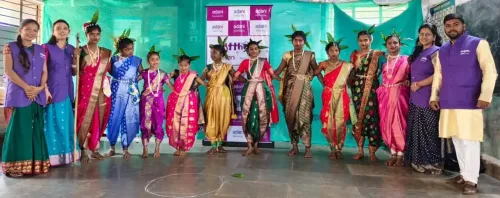
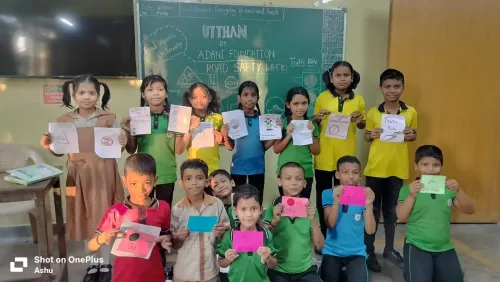
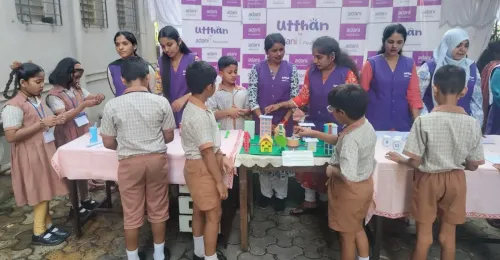
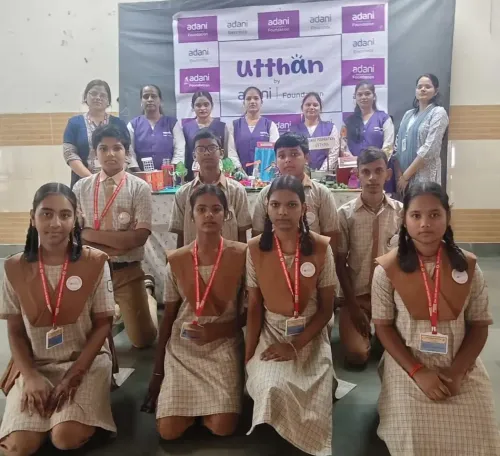
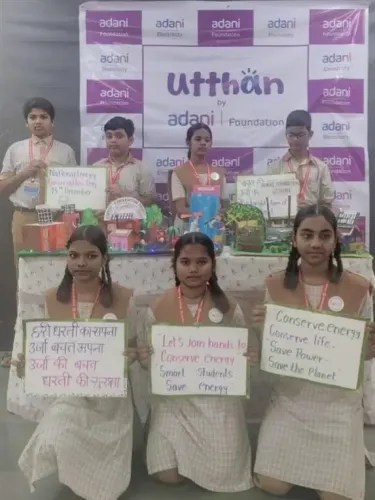
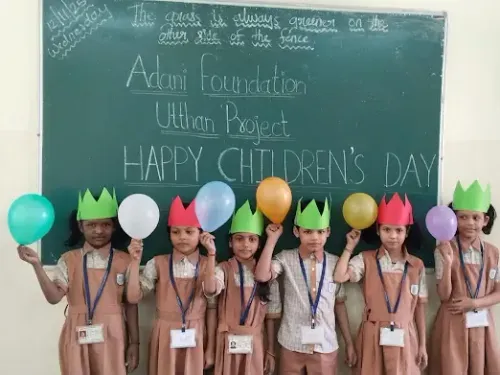
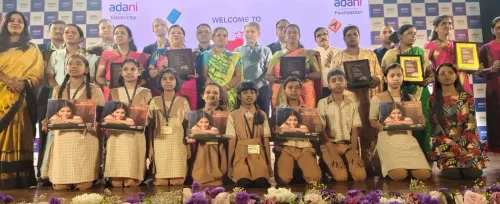
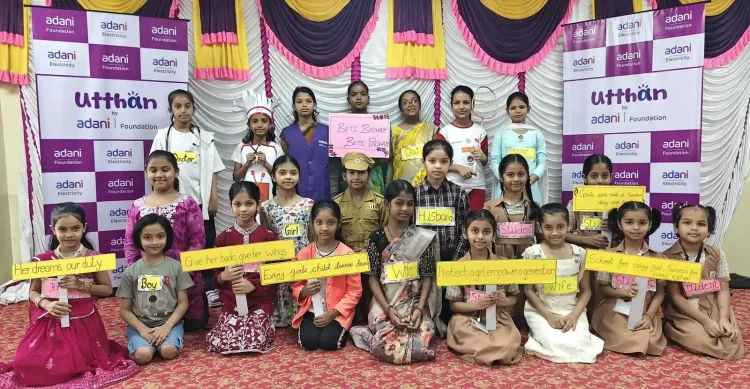
New Delhi, Jan 30 (NationPress) The Adani Foundation, in partnership with Adani Electricity, recently marked National Girl Child Day with students from Brihanmumbai Municipal Corporation (BMC) schools in Mumbai.
This event took place on January 24 as part of their flagship CSR initiative, Project Utthan.
"As part of our collaborative mission to foster early empowerment and equality, Project Utthan by the Adani Foundation, in association with Adani Electricity and the BMC, celebrated National Girl Child Day across several BMC schools," stated an official announcement.
Emphasizing that a fair society begins in the formative years, the initiative concentrated on early empowerment, safety, and equality for students in Classes 1 to 4.
Rather than adhering to conventional celebrations, the program incorporated experiential learning methods, such as role-playing and problem-solving, to empower girls as self-assured decision-makers.
By engaging boys as allies, the initiative successfully instilled values of empathy and shared accountability.
This collaboration aligns with NEP 2020 and the NIPUN Bharat Mission, reaffirming a commitment to bridging learning gaps and nurturing a generation of aware, compassionate, and empowered young citizens, as per the statement.
In Mumbai, the Adani Foundation and Adani Electricity, in conjunction with the BMC Education Department, have expanded Utthan to encompass all 947 BMC primary schools, reaching 1.48 lakh students across 25 wards and eight mediums.
The project particularly focuses on Priya Vidyarthis (progressive learners), providing targeted academic support and engaging learning experiences that foster steady growth.
A dedicated team of over 300 trained women, known as Utthan Sahayaks, forms the backbone of this initiative.
Hailing from local communities, they assist in classroom teaching, help students bridge learning gaps, maintain regular communication with parents, document children’s progress, and build trust within the community. Their involvement has added structure, warmth, and consistency to daily educational experiences.
Across India, Project Utthan operates in five states, supporting over 1,200 government schools and impacting nearly 1.80 lakh students.
Its emphasis on equitable access, personalized support, and NEP-aligned practices makes it a robust model for enhancing government education systems and equipping children with the skills and confidence necessary for success.
Point of View
I firmly believe that initiatives like Project Utthan by the Adani Foundation are critical in shaping a fair and equitable society. By empowering young girls and involving boys as allies, we are taking significant steps towards bridging gender gaps in education and fostering a generation that values empathy and shared responsibility.
NationPress
25 Sept 2026
Frequently Asked Questions
What is National Girl Child Day?
National Girl Child Day is observed annually on January 24 in India to promote awareness about the rights of girls and to highlight the importance of their education and empowerment.
What is Project Utthan?
Project Utthan is a CSR initiative by the Adani Foundation aimed at empowering children, particularly girls, through education and experiential learning methods.
How many schools are involved in Project Utthan?
Project Utthan currently operates in over 1,200 government schools across five states in India.
What role do Utthan Sahayaks play?
Utthan Sahayaks are trained women from local communities who support classroom teaching, assist students in overcoming learning gaps, and engage with parents to strengthen community ties.
What is the significance of involving boys in this initiative?
Involving boys as allies reinforces values of empathy and shared responsibility, promoting a culture of equality and respect among genders.