Could AI Render Traditional Jobs Obsolete by 2050?
Synopsis
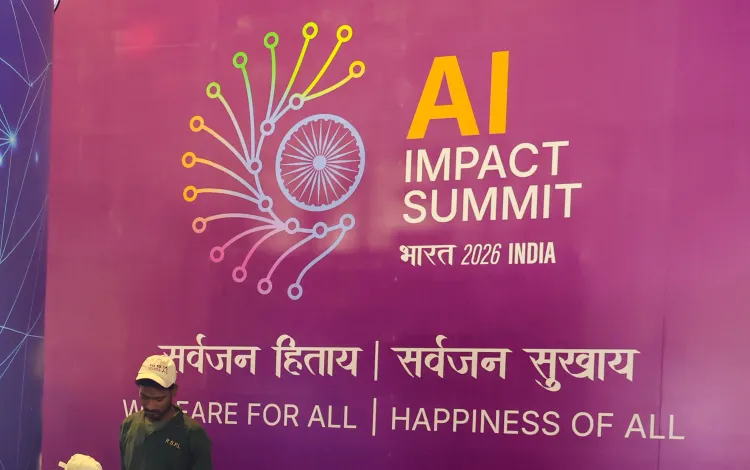
Vinod Khosla predicts a future where traditional jobs may become obsolete due to AI advancements by 2050. As he shares insights at the India AI Impact Summit, he highlights the potential disappearance of white-collar jobs and the need for countries to develop their own AI systems to meet national interests.
Key Takeaways
AI advancements could lead to job obsolescence by 2050.
Traditional employment structures are changing dramatically.
IT and BPO sectors may face significant decline.
Countries should invest in their own AI technologies.
Long tenures at companies might hinder adaptability.
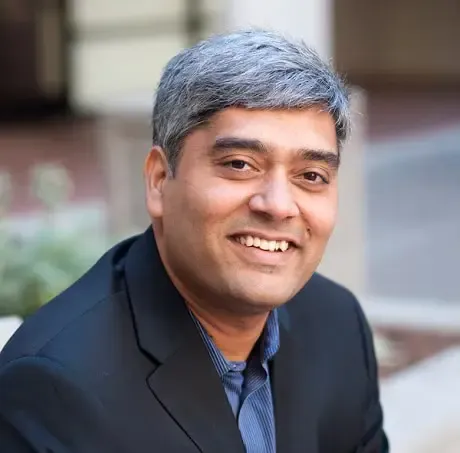
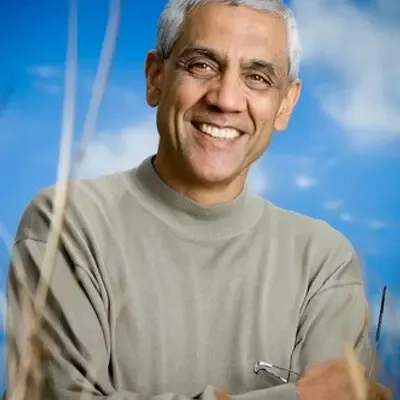
New Delhi, Feb 17 (NationPress) Vinod Khosla, the Indian-American entrepreneur and venture capitalist, made a striking forecast on Tuesday, suggesting that by 2050, jobs might become unnecessary as Artificial Intelligence (AI) continues its rapid evolution across various sectors.
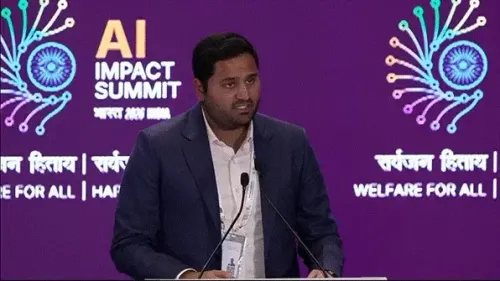
During his speech at the India AI Impact Summit 2026, Khosla emphasized that the future of employment will become increasingly apparent in the upcoming decades as AI technologies advance in power and capability.
He predicted that by 2025, it would be clear that traditional job structures are undergoing significant transformations.
“AI could potentially eradicate substantial portions of white-collar jobs,” stated Khosla, a prominent Silicon Valley investor known for his outspoken views on the disruptive nature of AI.
He cautioned that the IT services and business process outsourcing (BPO) sectors could “virtually vanish” in the next five years.
Reiterating his concerns at the summit, Khosla suggested that the outsourcing industry might be obsolete by 2030.
“Many individuals in India still doubt that AI will have a major effect on the IT industry,” Khosla noted.
Nonetheless, he maintained that the swift pace of technological progress will fundamentally alter the industries that have historically powered India’s economic growth.
Khosla also criticized long stints at large corporations, asserting that spending 15 to 20 years at a single large company can hinder adaptability in a rapidly changing tech landscape.
He warned that such professionals risk becoming less versatile as industries advance.
Despite his alarming predictions, Khosla commended India’s initiatives in artificial intelligence, describing the summit as a resounding success, with over 300,000 registrations for the event.
He expressed strong backing for the development of sovereign AI models tailored to national interests.
“Nations should create their own AI systems, especially for sensitive areas like cybersecurity and defense, rather than relying on foreign technologies,” Khosla articulated.
He highlighted his investments in Sarvam as part of his support for India's AI aspirations.
Point of View
It's crucial to approach Khosla's predictions with a balanced perspective. While the potential impact of AI on employment is significant, it's essential to recognize that such transformations could also create new opportunities and roles. The conversation around AI's influence must include discussions on adaptability, retraining, and the strategic direction of India's AI initiatives.
NationPress
26 Sept 2026
Frequently Asked Questions
What did Vinod Khosla predict about jobs by 2050?
Vinod Khosla predicted that by 2050, traditional jobs may become unnecessary due to advancements in Artificial Intelligence.
How might AI affect the IT and BPO sectors?
Khosla warned that AI could lead to the virtual disappearance of IT services and business process outsourcing firms within the next five years.
What does Khosla suggest about sovereign AI models?
Khosla advocates for countries to develop their own AI systems, particularly for sensitive areas such as cybersecurity and defense, rather than relying on foreign technologies.