Assam exempts small non-polluting units from approvals for 3 years
Synopsis
Assam has quietly removed one of the biggest early-stage hurdles for small businesses: the requirement to obtain government approvals before starting operations. Chief Minister Himanta Biswa Sarma's three-year exemption for non-polluting enterprises is a targeted bet on grassroots entrepreneurship — and a signal that the state is serious about translating investment summits into ground-level economic activity.
Key Takeaways
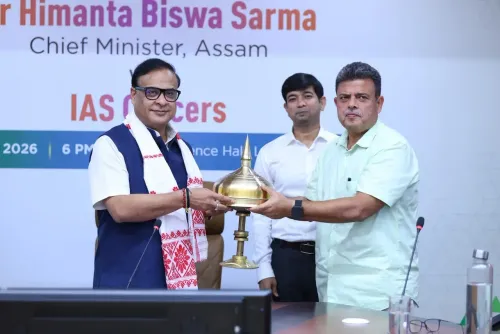
Assam CM Himanta Biswa Sarma announced on 8 July that small, non-polluting enterprises will not need government approvals for their first three years of operation.
The move targets startups, MSMEs, and first-generation entrepreneurs in sectors with minimal environmental impact.
The initiative is part of a broader state push to improve ease of doing business , digitise services, and attract investment.
Detailed guidelines on eligible enterprise categories and post-exemption compliance are yet to be issued by the government.
The state has previously promoted investment through the Advantage Assam summit and sector-specific industrial policies.
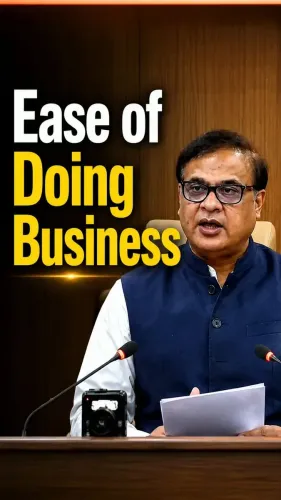
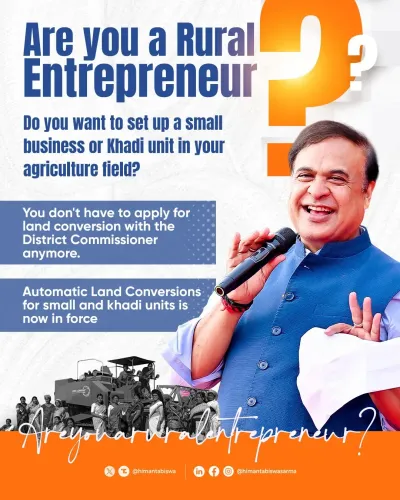
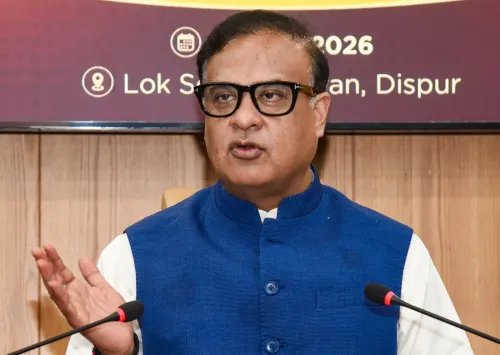
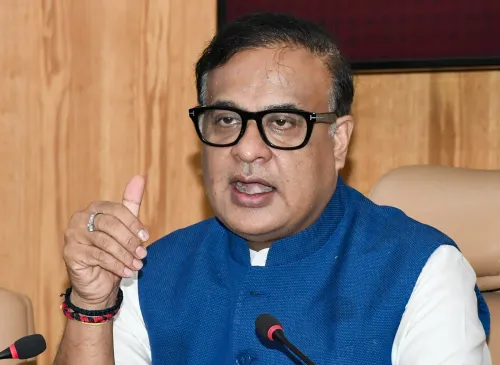
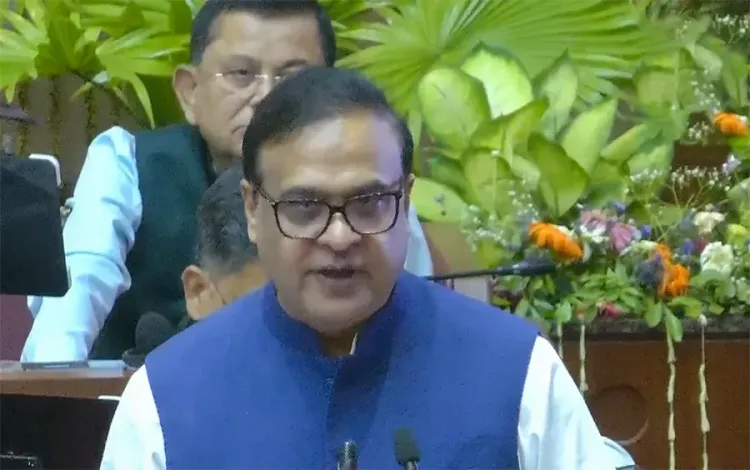
Assam Chief Minister Himanta Biswa Sarma on Wednesday, 8 July announced that small, non-polluting enterprises in the state will no longer need government approvals to begin operations during their first three years. The move, framed as a major ease-of-doing-business reform, is aimed at reducing regulatory friction for startups, micro, small and medium enterprises (MSMEs), and first-generation entrepreneurs in low-risk sectors.
What the Policy Change Means
Under the new initiative, eligible enterprises — those classified as small and operating in sectors with minimal environmental impact — can commence business without securing prior government clearances for an initial period of three years. The exemption is designed to cut the time and cost involved in setting up a new venture, allowing entrepreneurs to direct energy toward building their businesses rather than navigating bureaucratic procedures.
'We are making it easier to do business in Assam. Small, non-polluting enterprises can now commence operations without government approvals for the first three years. I want my entrepreneurs to focus on creating value, not chasing approvals,' Chief Minister Sarma said.
Part of a Broader Reform Drive
According to a senior government official, the initiative is part of the Assam government's wider push to build a business-friendly ecosystem, attract investment, and generate employment. This comes amid a series of reforms the state has rolled out over recent years — spanning digitisation of government services, simplified compliance procedures, and reduction of the regulatory burden on industry.
Notably, the state has also been actively marketing itself as an investment destination through platforms such as the Advantage Assam summit and sector-specific industrial policies. The latest decision extends that momentum to the grassroots level, targeting small businesses in manufacturing, services, and other low-risk economic activities.
Who Stands to Benefit
The exemption is expected to provide the most direct benefit to startups, MSMEs, and first-generation entrepreneurs who have historically cited regulatory approvals as a significant barrier during the critical early years of operation. Industry stakeholders are widely expected to welcome the announcement, according to reports.
The government believes that lowering entry barriers will foster local innovation, strengthen entrepreneurship, and broaden the state's industrial base — particularly in districts outside Guwahati where institutional support for new businesses has traditionally been limited.
What Comes Next
The state government is expected to issue detailed operational guidelines specifying the categories of enterprises eligible for the exemption and the compliance framework that will apply once the initial three-year window closes. The specifics of post-exemption obligations and any sector-wise exclusions are yet to be made public.
Point of View
But its real impact will hinge on two things the government has not yet detailed: which sectors qualify and what the compliance cliff looks like at the end of year three. Regulatory relief that expires abruptly — without a graduated transition — can create a new kind of uncertainty for small businesses just as they find their footing. Assam's reform record has been active, but the gap between summit-level announcements and district-level implementation has historically been wide. The proof will be in the operational guidelines, not the press release.
NationPress
8 Jul 2026
Frequently Asked Questions
What has Assam announced for small businesses?
Assam Chief Minister Himanta Biswa Sarma announced on 8 July that small, non-polluting enterprises will be exempt from obtaining government approvals before starting operations for their first three years. The move is aimed at reducing regulatory barriers and improving ease of doing business in the state.
Who is eligible for the approval exemption in Assam?
The exemption applies to small enterprises operating in sectors with minimal environmental impact — broadly covering startups, MSMEs, and first-generation entrepreneurs in manufacturing, services, and other low-risk activities. The government is expected to issue detailed eligibility guidelines shortly.
How long does the exemption last?
The exemption covers the first three years of an enterprise's operations. After this period, the standard compliance framework will apply, though the government has not yet specified the exact post-exemption obligations.
Why is Assam introducing this reform?
The state government says the move is part of a broader effort to build a business-friendly ecosystem, attract investment, and generate employment. Regulatory approvals have frequently been cited as a major hurdle for new businesses in their early stages, particularly in states with limited institutional support infrastructure.
What other business reforms has Assam introduced recently?
Over recent years, Assam has digitised government services, simplified compliance procedures, and promoted itself as an investment destination through the Advantage Assam summit and sector-specific industrial policies. The latest exemption extends this reform drive to small, ground-level enterprises.