Assam integrates RVSFs into industrial framework to formalise vehicle scrapping
Synopsis
Assam is formalising vehicle scrapping as an industrial activity by bringing Registered Vehicle Scrapping Facilities into its eligible industrial framework — a policy shift that could attract investment, create jobs, and put the state's ageing vehicle disposal system on a regulated, environmentally sound footing.
Key Takeaways
Chief Minister Himanta Biswa Sarma announced on 14 September 2026 that Registered Vehicle Scrapping Facilities (RVSFs) will be brought within Assam's eligible industrial framework.
The move formalises vehicle scrapping as a recognised industrial activity, aiming to make end-of-life vehicle retirement 'cleaner, safer and more organised.' The decision is expected to attract investment and support the creation of specialised recycling infrastructure in Assam .
Details on eligibility criteria, incentives, and implementation are yet to be officially notified.
The initiative aligns with the Centre's broader Vehicle Scrappage Policy and national goals of reducing vehicular emissions and promoting cleaner mobility.
Assam is formally bringing Registered Vehicle Scrapping Facilities (RVSFs) within the state's eligible industrial framework, Chief Minister Himanta Biswa Sarma announced on Monday, 14 September 2026. The move is aimed at making the retirement of end-of-life vehicles 'cleaner, safer and more organised,' according to Sarma, and positions vehicle scrapping as a recognised industrial activity within Guwahati-administered state policy.
What the Decision Entails
RVSFs are authorised establishments that process end-of-life vehicles in accordance with prescribed regulatory norms. By bringing them within the state's eligible industrial framework, the Assam government intends to provide a structured policy environment for facilities engaged in the authorised scrapping of old and unfit vehicles.
The inclusion is expected to help attract investment into the sector and support the creation of specialised recycling infrastructure. Details on eligibility criteria, incentives, and implementation mechanisms are yet to be officially notified and are expected to clarify how the provision will be operationalised across the state.
What CM Sarma Said
Chief Minister Himanta Biswa Sarma shared the announcement in a post on X, stating: 'Assam is strengthening its vehicle scrapping ecosystem. Registered Vehicle Scrapping Facilities will now be brought within the State's eligible industrial framework, making the retirement of old vehicles cleaner, safer and more organised.'
Sarma indicated that the state is seeking to integrate vehicle scrapping into its wider industrial policy, potentially creating opportunities for investment and employment while advancing environmentally responsible management of ageing vehicles.
Why It Matters
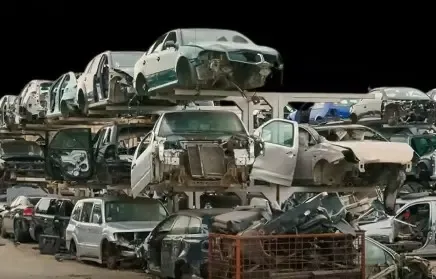
The announcement comes against the backdrop of growing concerns over ageing vehicles, vehicular emissions, and the absence of a well-regulated disposal pipeline for vehicles that have reached the end of their usable life. An organised scrapping network can help ensure vehicles are dismantled through regulated processes while enabling the recovery and recycling of usable materials and components.
Notably, a formalised scrapping ecosystem can also help reduce the presence of unfit vehicles on roads and improve the traceability of vehicles that have been retired — an area where unorganised operators have historically operated outside regulatory oversight.
Broader Industrial and Environmental Objectives
The initiative aligns with the wider national objective of promoting cleaner mobility and responsible end-of-life vehicle management. Several states have been working to align with the Vehicle Scrappage Policy introduced by the Centre, which encourages the phased retirement of old and polluting vehicles.
By formalising RVSFs as part of its eligible industrial ecosystem, Assam signals its intent to build organised infrastructure for vehicle recycling — moving the activity from the informal sector into a regulated, investment-friendly framework. The coming months will be critical in determining how swiftly the implementation guidelines translate the policy intent into operational reality.
Point of View
Financial incentives, and enforcement against unorganised operators. India's vehicle scrapping sector has long been dominated by informal dismantlers who operate outside regulatory oversight, and simply classifying RVSFs as eligible industries does not automatically shift that balance. The announcement is also notably vague on timelines and investment targets, which makes it difficult to assess ambition versus intent. If Assam can demonstrate a credible framework that draws formal investment while closing down unregulated scrapyards, it could serve as a replicable model for other northeastern states — but the gap between policy declaration and on-ground execution remains the defining challenge.
NationPress
14 Sept 2026
Frequently Asked Questions
What has Assam announced regarding vehicle scrapping?
The Assam government has announced that Registered Vehicle Scrapping Facilities (RVSFs) will be brought within the state's eligible industrial framework, formalising vehicle scrapping as a recognised industrial activity. The announcement was made by Chief Minister Himanta Biswa Sarma on 14 September 2026.
What are Registered Vehicle Scrapping Facilities (RVSFs)?
RVSFs are authorised establishments that process end-of-life vehicles in accordance with prescribed regulatory norms. They ensure that old and unfit vehicles are dismantled in a regulated manner, allowing usable materials and components to be recovered and recycled.
Why is Assam formalising vehicle scrapping under its industrial framework?
The move aims to attract investment, build specialised recycling infrastructure, and address growing concerns over ageing vehicles and vehicular emissions. It also seeks to reduce the presence of unfit vehicles on roads and bring the sector under formal regulatory oversight.
When will the new framework for RVSFs be implemented in Assam?
The specific eligibility criteria, incentives, and implementation guidelines are yet to be officially notified. Further details are expected to clarify how the provision will be operationalised across Assam.
How does Assam's decision relate to the national Vehicle Scrappage Policy?
Assam's move aligns with the Centre's Vehicle Scrappage Policy, which encourages the phased retirement of old and polluting vehicles. By integrating RVSFs into its industrial ecosystem, Assam is working toward the broader national objective of cleaner mobility and environmentally responsible vehicle disposal.