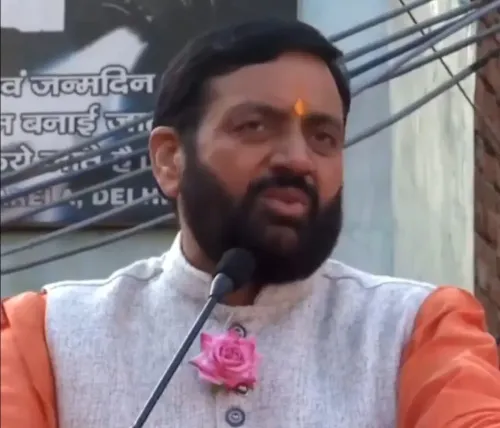
CM Nayab Saini: No Fear Swimming or Drinking Yamuna Water
Synopsis
Haryana CM Nayab Singh Saini declared the Yamuna river safe to bathe in and drink from, calling it 'our mother' in an October 2026 video post — a bold, testable claim against the backdrop of decades-long cleanup efforts and persistent interstate pollution disputes.
Key Takeaways
Nayab Singh Saini , Chief Minister of Haryana, posted on 29 October 2026 asserting the Yamuna is safe for bathing and drinking.
He described the river in Hindi as 'Yamuna Ji' — 'our mother' — combining religious reverence with a concrete water-safety claim.
The Yamuna Action Plan (1993) and the Namami Gange programme (2014) form the policy backbone of river-cleaning efforts in the region.
Haryana sits at the upstream end of the Yamuna's contested NCR stretch, making its water-quality claims directly relevant to Delhi and Uttar Pradesh downstream.
The next Central Pollution Control Board water quality reports will be the key metric against which this claim is measured.
A river long synonymous with urban pollution is being recast — at least in political messaging — as a mother fit to bathe in and drink from. Haryana Chief Minister Nayab Singh Saini posted on X on Thursday, 29 October 2026, asserting that the Yamuna deserves reverence and that fears about its water safety are no longer warranted.
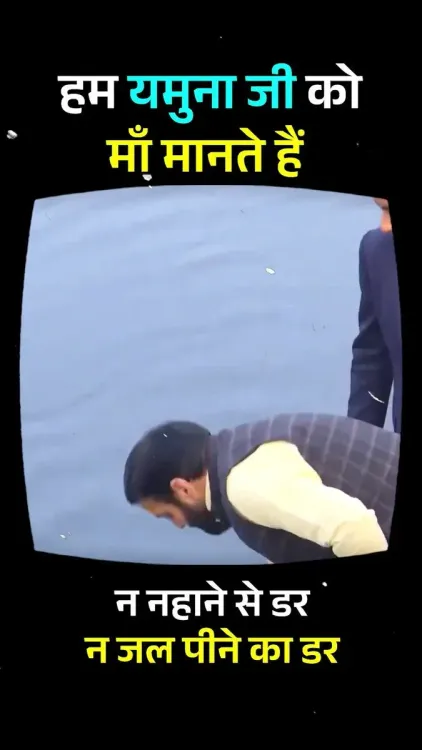
Posting in Hindi, CM Saini wrote: 'हम यमुना जी को माँ मानते हैं' — 'We consider Yamuna Ji our mother' — adding that there is 'no fear of bathing, no fear of drinking the water.' The post was accompanied by a video, signalling a deliberate, visual assertion of the river's restored condition.Yamuna's Long Road from Sewage Canal to Sacred River
The Yamuna — a major Ganga tributary flowing through Haryana, Delhi, and Uttar Pradesh — has been at the centre of India's most contentious river-cleaning battles for decades. The Yamuna Action Plan, launched in 1993, poured resources into sewage treatment infrastructure along the river's banks. Despite the investment, stretches flowing through the National Capital Region remained heavily polluted by industrial effluents and untreated urban waste well into the 2020s.
The Namami Gange programme, launched in 2014, extended its tributary-cleaning mandate to Yamuna stretches, adding another institutional layer to a cleanup effort that has outlasted multiple governments at the Centre and in the states. Progress has been measured and contested: water quality data from the Central Pollution Control Board has shown improvement in select stretches, while activist groups and courts have periodically flagged that the river remains unsafe in densely populated zones.
Why Haryana's Claim Carries Weight — and Scrutiny
Haryana sits at the upstream end of the Yamuna's contested stretch — what flows out of Haryana shapes what Delhi and communities downstream receive. CM Saini's assertion, then, is not just a statement of local pride; it is an implicit claim about Haryana's contribution to the river's health. Interstate coordination between Haryana, Delhi, and Uttar Pradesh on sewage treatment standards and industrial discharge norms has historically been fractious, making unilateral declarations of success politically loaded.
Indian political leaders have long woven religious reverence for rivers into environmental communication — framing rivers as mothers or goddesses builds emotional resonance in a way that a pollution-index chart never can. The 'no fear of bathing, no fear of drinking' framing, however, raises the stakes: it is a concrete, testable claim, and the next round of official water quality reports will either corroborate or challenge it.
What the Next Water Quality Reports Will Reveal
The benchmark for Saini's assertion will be the upcoming state and central pollution control data on dissolved oxygen levels, biochemical oxygen demand, and coliform counts in Haryana's Yamuna stretches. If those numbers align with the 'safe to drink' threshold, the claim becomes a policy milestone. If they don't, the video post will face pointed questions in the state assembly and in courtrooms where Yamuna-cleanup petitions have remained active for years.
For now, the Chief Minister has drawn a line — staking the credibility of his government's environmental record on one of India's most watched rivers. The Yamuna, as ever, will have the final word.
Point of View
No fear of drinking' is far more verifiable than a generic tribute. It positions Haryana's upstream governance as a direct contributor to a decades-stalled national priority, implicitly contrasting with the opposition-governed Delhi's record on sewage treatment. The religious framing ('mother') is designed to insulate the claim from pure technocratic challenge, but the explicitness of the water-safety assertion means the next CPCB data cycle will be unusually politically consequential. Saini is betting that Haryana's environmental numbers can hold — a bet that future water quality reports will either reward or punish.
NationPress
29 Oct 2026
Frequently Asked Questions
What did Haryana CM Nayab Singh Saini say about the Yamuna river?
CM Saini posted on X on 29 October 2026 that the Yamuna should be revered as a mother and that there is no longer any fear of bathing in or drinking water from the river, sharing a video to support his claim.
Is the Yamuna river water safe to drink in Haryana?
CM Saini's post asserts it is safe, but official confirmation depends on Central Pollution Control Board water quality data measuring dissolved oxygen, biochemical oxygen demand, and coliform counts in Haryana's Yamuna stretches.
What is the Yamuna Action Plan?
The Yamuna Action Plan is a government programme launched in 1993 aimed at reducing river pollution through the construction and upgrading of sewage treatment infrastructure along the Yamuna's banks.
How does Namami Gange relate to Yamuna cleaning?
Namami Gange, launched in 2014 as a flagship river-rejuvenation programme, extended its mandate to include Ganga tributaries such as the Yamuna, adding funding and institutional oversight to ongoing cleanup efforts.
Why is Haryana's role in Yamuna pollution important?
Haryana is upstream of Delhi on the Yamuna, so the quality of water flowing out of Haryana directly affects river conditions in the National Capital Region and further downstream in Uttar Pradesh, making Haryana's discharge standards critical to the overall cleanup.