China extends 24% US tariff suspension by 2 months after Washington summit
Synopsis
China has bought two more months of trade calm, extending its suspension of a 24% tariff on US imports and port fees on American ships — both traceable to a September 2026 Washington summit. With a $60 billion reciprocal reduction package still unfinished and IMF data showing bilateral trade down more than 20% year-on-year, the January 2027 joint deadline will be the real test of whether this truce holds.
Key Takeaways
China has extended the suspension of an additional 24 per cent tariff on US imports for two months from 10 November 2026 .
Suspension of special port fees on US-linked vessels has been extended until 10 January 2027 .
The existing 10 per cent baseline tariff on affected goods remains in place throughout the truce period.
Both suspensions stem from the September 2026 Washington summit between Chinese and US leaders.
A proposed $60 billion reciprocal tariff-reduction package — covering nearly $17 billion in US agricultural goods — has yet to be finalised.
The IMF reported Chinese exports to the US fell 22 per cent and US exports to China fell 25 per cent between February 2025 and January 2026 .
China has extended the suspension of an additional 24 per cent tariff on imports from the United States for two months starting 1:01 pm GMT on 10 November 2026, while simultaneously prolonging the suspension of special port fees on US-linked vessels until 10 January 2027. The existing 10 per cent tariff on affected goods remains in force, and Beijing will continue to pause its probe into shipping and shipbuilding supply chain security.
What Beijing Has Suspended and What Remains
The two-month reprieve on the additional 24 per cent levy applies to US imports and was confirmed by multiple reports citing China's finance ministry. The suspension of special port fees on US-linked ships runs separately, with a fixed end-date of 10 January 2027. Critically, the baseline 10 per cent tariff on covered goods has not been lifted, meaning trade costs for American exporters remain meaningfully elevated even during the truce period.
The Washington Summit Connection
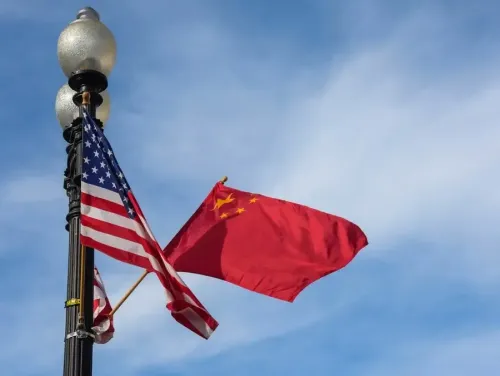
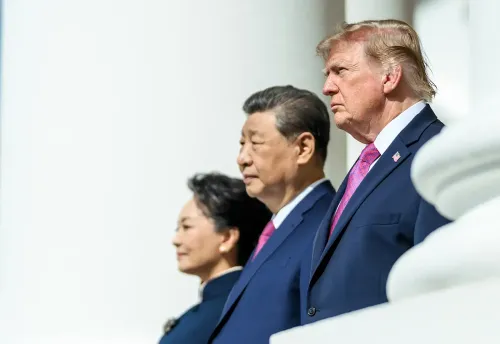
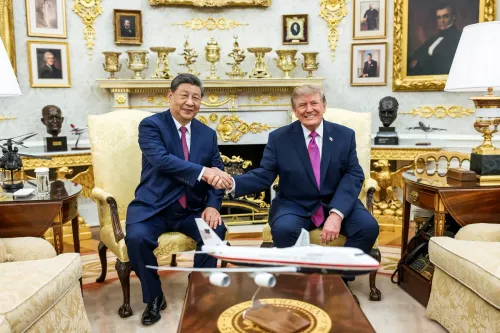
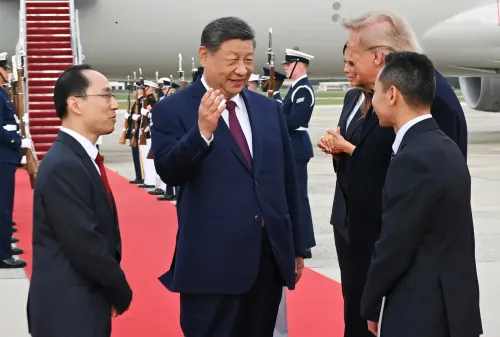
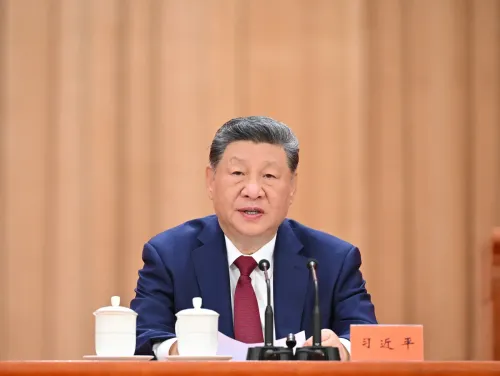
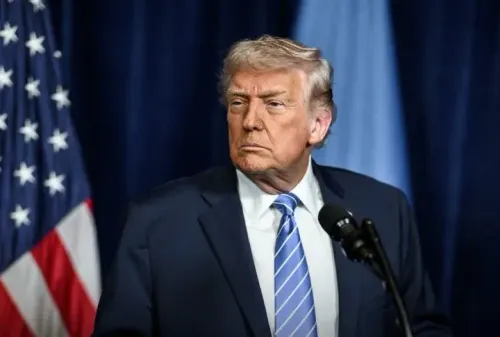
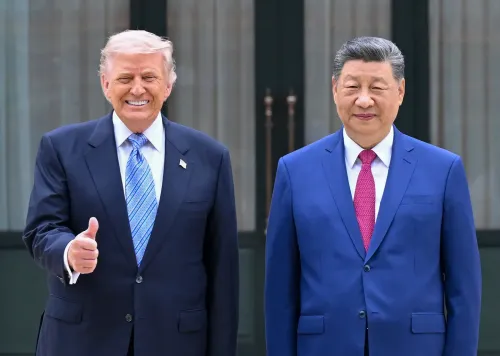
Beijing framed the extensions explicitly as steps to implement the 'outcomes and consensus reached at the Washington meeting between the heads of state of China and the United States,' according to reports citing China's State Council tariffs panel. That September 2026 summit produced a proposed $60 billion package of reciprocal tariff reductions, covering nearly $17 billion worth of US agricultural goods that China imported in 2024. The package has yet to be finalised, leaving the current suspensions as a confidence-building measure rather than a permanent settlement.
The IEEPA Factor
China's statement noted that it has 'noted that the US side has repeatedly stated that it intends to use Section 301 tariffs to replace the tariffs imposed under the International Emergency Economic Powers Act (IEEPA) that have been held invalid by judicial rulings.' Beijing added it will 'closely follow subsequent measures taken by the US side and will, as appropriate, adjust relevant tariff countermeasures in light of developments.' The hedged language signals that any rollback of US IEEPA-based tariffs is a prerequisite for deeper Chinese concessions.
Trade War Toll: IMF Data
The scale of damage from sustained trade hostilities was quantified in the IMF's October 2026 World Economic Outlook, released on Tuesday: Chinese exports to the United States fell 22 per cent between February 2025 and January 2026, while American exports to China declined 25 per cent over the same period. Notably, analysts have argued that the conflict extends beyond a bilateral Washington-Beijing spat — a September 2026 report from Defense.info described it as a broader trade war between China and much of the rest of the world. That framing was reinforced by a proposed joint statement at a recent G20 finance ministers' meeting, calling on countries with 'excessive and persistent external surpluses' to remove the distortions producing them.
What Comes Next
The two-month clock on the 24 per cent tariff suspension runs until approximately 10 January 2027, coinciding with the port-fee deadline — effectively creating a joint review moment. Whether the $60 billion reciprocal reduction package is finalised before that date will determine whether trade relations move toward a durable détente or revert to open tariff escalation. Both governments face domestic pressure on the outcome, and the IMF's growth projections for both economies remain sensitive to trade-policy developments.
Point of View
Not a peace deal — Beijing is careful to keep the 10 per cent baseline tariff intact and to condition further moves on what Washington does with its IEEPA levies. The $60 billion package's unfinished status is the loudest signal in the room: both sides are signalling goodwill without committing to irreversible steps. The IMF's data — bilateral trade volumes down over 20 per cent in under a year — underlines the economic cost of letting talks drift. India and other Asian exporters who filled supply-chain gaps during the trade war are watching closely; a durable US-China rapprochement could redirect trade flows and compress the price advantages that benefited third-party manufacturers.
NationPress
9 Nov 2026
Frequently Asked Questions
What has China extended regarding US tariffs in November 2026?
China has extended the suspension of an additional 24 per cent tariff on US imports for two months from 10 November 2026, and separately prolonged the suspension of special port fees on US-linked ships until 10 January 2027. The existing 10 per cent tariff on affected goods remains in force.
Why has China extended the tariff and port-fee suspensions?
Beijing cited the need to implement the 'outcomes and consensus' reached at the September 2026 Washington summit between Chinese and US leaders. The extensions are framed as goodwill measures while a broader $60 billion reciprocal tariff-reduction package is still being negotiated.
What is the $60 billion tariff-reduction package between China and the US?
It is a proposed set of reciprocal tariff reductions agreed in principle at the September 2026 Washington summit, covering nearly $17 billion worth of US agricultural goods imported by China in 2024. The package has not yet been finalised.
How has the US-China trade war affected actual trade volumes?
According to the IMF's October 2026 World Economic Outlook, Chinese exports to the US fell 22 per cent and American exports to China fell 25 per cent between February 2025 and January 2026. The figures underscore the economic damage sustained by both economies during the tariff standoff.
What happens when the two-month tariff suspension expires?
The 24 per cent tariff suspension runs until approximately 10 January 2027, the same date as the port-fee waiver deadline. China has said it will 'closely follow subsequent measures taken by the US side' and may adjust its tariff countermeasures accordingly, making the finalisation of the $60 billion package the key variable.