US senators press Trump to restore Section 301 fees on Chinese ships
Synopsis
Two Democratic senators are calling out the Trump administration for suspending the very fees that had already started working — Chinese shipyard orders fell 23.5% within months of the announcement, only to rebound after the pause. With China now building over half the world's commercial ships and the US producing just 0.1%, the stakes go well beyond trade policy into military readiness and supply-chain security.
Key Takeaways
Senators Elizabeth Warren and Mark Kelly wrote to US Trade Representative Jamieson Greer on 9 June urging reinstatement of Section 301 port fees on Chinese vessels.
China produced less than 5% of global commercial ships in 2000 ; last year its share exceeded 50% , while US shipyards accounted for just 0.1% .
Chinese shipyard orders fell 23.5% in the first nine months of 2025 following the fee announcement, but reportedly rebounded after the one-year suspension .
The senators argue Beijing's critical-mineral restrictions pressured Washington into pausing the fees without securing meaningful concessions.
Kelly leads the bipartisan SHIPS for America Act ; Warren is a co-sponsor of the legislation.
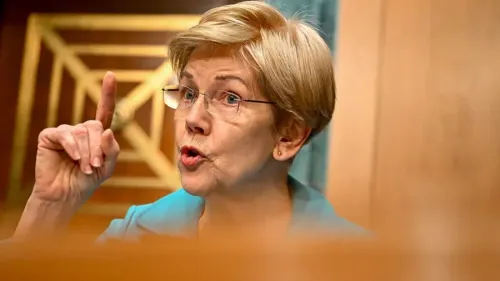
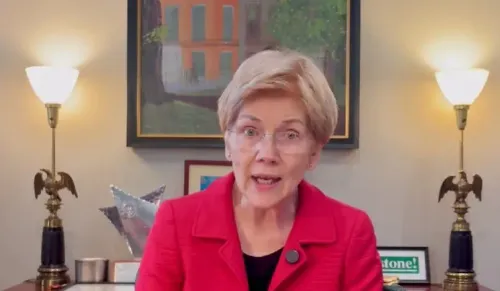
Two senior Democratic senators have urged the Trump administration to reinstate proposed port fees on Chinese vessels, warning that the suspension of Section 301 measures threatens to permanently erode America's shipbuilding industry and deepen strategic dependence on Beijing. The letter, addressed to US Trade Representative Jamieson Greer, was sent on 9 June by Senators Elizabeth Warren and Mark Kelly.
What the Senators Are Demanding
Warren and Kelly called on the administration to reinstate fees and restrictions on Chinese-owned, operated, and built vessels entering American ports under the Section 301 framework. 'Section 301 port fees are critical to revitalizing US shipbuilding. Presidents of both parties have long recognized the serious threat that Chinese shipbuilding dominance poses to the United States, and...(these) fees and restrictions on Chinese vessels would have protected American shipbuilding businesses and workers,' the senators wrote in their letter.
They also posed pointed questions to Greer: whether the administration plans to restore the fees, what measurable impact the pause has had on American workers, and whether Washington secured any meaningful concessions from Beijing in exchange for delaying the restrictions.
China's Shipbuilding Rise and America's Decline
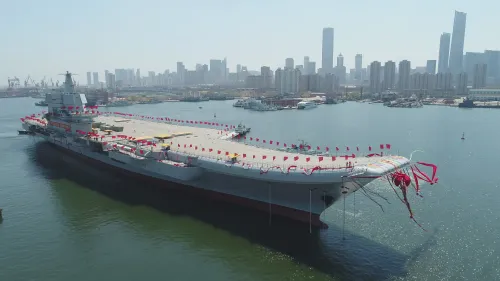
The senators outlined a stark trajectory: in 2000, China accounted for less than 5% of global commercial ship production. By last year, Chinese shipyards were responsible for more than half of all commercial vessels built worldwide. In contrast, US shipyards produced just 0.1% of the world's oceangoing vessels — a figure the senators described as both an economic and strategic liability.
Both Republican and Democratic administrations have previously investigated China's maritime, logistics, and shipbuilding sectors, alleging that Beijing deployed extensive state support and subsidies to achieve dominance. The Biden administration launched a Section 301 investigation into Chinese shipbuilding practices; the Trump administration subsequently proposed port fees building on that inquiry.
The Fee Pause and Its Fallout
According to the senators, the mere announcement of the proposed fees produced measurable results: orders at Chinese shipyards reportedly dropped 23.5% in the first nine months of 2025. However, the administration later suspended the fees and restrictions for one year as part of broader trade negotiations with China.
Warren and Kelly argued that Beijing's restrictions on critical minerals — used in military technology and semiconductor production — effectively pressured Washington into making concessions, including pausing the shipping measures. They warned that the suspension has already reversed progress, pointing to a subsequent rise in orders at Chinese shipyards.
The Maritime Action Plan Under Scrutiny
The senators also took aim at the administration's Maritime Action Plan, which calls for efforts to 'reclaim America's maritime strength' and generate demand for US-built ships, shipyards, and mariners — even as the underlying fees remain suspended. 'Without meaningful fees on Chinese vessels, this 'plan' is meaningless,' the senators wrote.
Kelly is the lead sponsor of the bipartisan Shipbuilding and Harbor Infrastructure for Prosperity and Security (SHIPS) for America Act, with Warren serving as a co-sponsor. The legislation reflects growing cross-party concern over America's shrinking maritime industrial base and its implications for both commercial trade and military readiness.
The dispute sits within a wider context of intensifying US-China strategic competition, with shipbuilding emerging as a flashpoint alongside semiconductors, critical minerals, and advanced manufacturing. How the Trump administration responds to the senators' demands will signal how far it is willing to push structural decoupling even while trade talks with Beijing remain active.
Point of View
And the senators are right to highlight it. The administration suspended a measure that was already working, in exchange for concessions that remain unspecified. That sequencing matters: if Beijing can neutralise US industrial policy through mineral leverage alone, the broader decoupling agenda has a serious structural weakness. The SHIPS Act is a credible legislative vehicle, but without the fee architecture underneath it, it is a strategy without teeth.
NationPress
19 Sept 2026
Frequently Asked Questions
What are Section 301 port fees on Chinese ships?
Section 301 port fees are charges proposed under US trade law on Chinese-owned, operated, or built vessels entering American ports. The Trump administration proposed them to penalise China's state-subsidised dominance of global shipbuilding and to incentivise the rebuilding of the US maritime industry.
Why did the Trump administration suspend the fees?
The administration suspended the fees for one year amid broader trade negotiations with China. According to Senators Warren and Kelly, Beijing's restrictions on critical minerals used in military technology and semiconductors pressured Washington into pausing the shipping measures as a concession.
What impact did the fee announcement have on Chinese shipyards?
According to the senators' letter, orders at Chinese shipyards dropped 23.5% in the first nine months of 2025 following the announcement of the proposed fees — before the suspension reversed that trend.
How dominant is China in global shipbuilding?
China accounted for less than 5% of global commercial ship production in 2000. By last year, Chinese shipyards were producing more than half of all commercial vessels worldwide, while US shipyards produced just 0.1% of the world's oceangoing ships.
What is the SHIPS for America Act?
The Shipbuilding and Harbor Infrastructure for Prosperity and Security (SHIPS) for America Act is bipartisan legislation led by Senator Mark Kelly, with Senator Elizabeth Warren as a co-sponsor. It aims to rebuild US shipyard capacity and reduce strategic dependence on Chinese maritime infrastructure.