China Hesitant on Iran's Shipping Corridor Amid Economic Turmoil: Analysis
Synopsis
Despite Iran's attempt to create a secure shipping route in the Strait of Hormuz, Chinese vessels remain wary due to economic pressures and inspection fees. This reluctance highlights the broader challenges faced by major Asian economies in the context of global shipping disruptions.
Key Takeaways
Iran's initiative for a safe corridor faces Chinese reluctance.
Chinese vessels remained cautious for 10 days before using the corridor.
Economic pressures and inspection fees are significant concerns.
China's oil imports heavily rely on the Gulf region.
Potential energy supply shocks could affect global markets.
New Delhi, March 27 (NationPress) The initiative by Iran to create a secure passage in the Strait of Hormuz has faced hesitation from China, particularly as both nations, along with other prominent Asian economies, grapple with significant challenges resulting from shipping disruptions, according to a recent report.
The report, published by the Turkey-based Anadolu Agency, indicated that Chinese vessels largely refrained from utilizing the safe corridor established by Tehran for a span of 10 days.
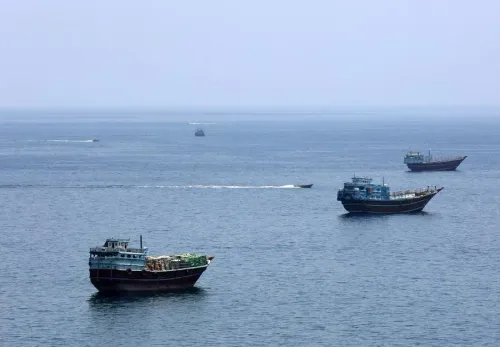
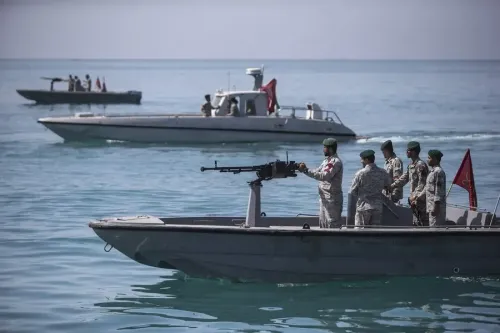
On March 13, Tehran revealed its plans to oversee maritime movements within a corridor situated between the Larak and Kish islands in Iranian territorial waters.
Chinese shipowners reported that during inspections by IRGC officials in the corridor, they were requested to pay tolls or transport cargo on Iran's behalf.
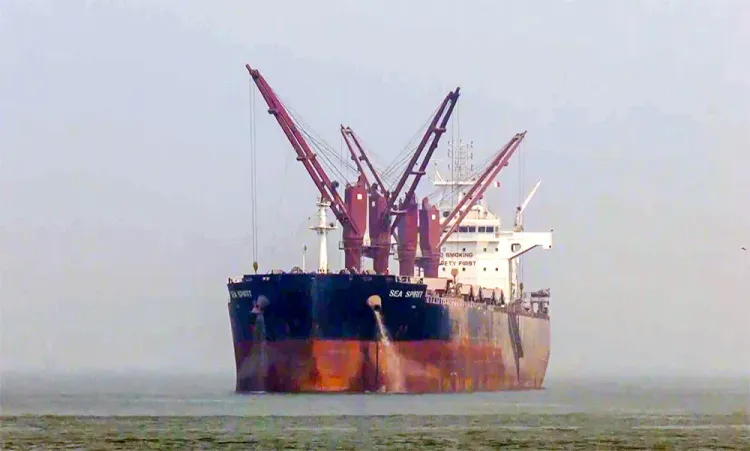
A Chinese ship finally navigated through the corridor between Larak and Kish islands on March 23, after a prolonged waiting period of 10 days.
The report noted that on March 16, a very large crude carrier from the fleet of Chinese shipper Cosco chose to bypass the Persian Gulf, opting instead for the Bab el-Mandeb Strait, located 1,000 kilometers away, before docking in Yanbu, Saudi Arabia.
Despite claims of preferential treatment for Chinese vessels due to a special oil trade relationship with Iran utilizing the Chinese Yuan, international shipping records reportedly contradict this narrative.
The special relationship allows China to purchase Iranian oil at lower-than-market prices through unique arrangements known as petroyuan agreements. In these deals, China exchanges goods with Iran based on the oil's value in Chinese yuan. Although Tehran occasionally voices concerns over the drawbacks of this trading method, it remains a critical support system for Iran under sanctions.
Experts predict that an energy supply shock could reverberate through the global energy market, with no immediate resolution in sight.
Disruptions in shipping traffic have led to serious problems for major Asian economies, with China and India relying on the Gulf for approximately half of their oil and natural gas imports.
China sources 45% of its oil from Saudi Arabia, Iraq, the United Arab Emirates, and Kuwait, while also importing LNG from the UAE and Qatar, which contributes to 30% of its total imports.
The report concluded that due to the effective closure of the Strait of Hormuz, China and other leading Asian economies are facing considerable risks due to their heavy dependence on energy imports from the Persian Gulf region.
Point of View
It's crucial to present the nuanced relationship between China and Iran amidst the evolving geopolitical landscape. The reluctance of Chinese vessels to engage with Iran's shipping corridor reflects broader economic anxieties that could reshape energy dynamics in Asia.
NationPress
8 Oct 2026
Frequently Asked Questions
What is the significance of Iran's safe shipping corridor?
Iran's safe shipping corridor in the Strait of Hormuz aims to facilitate secure maritime movements amidst rising tensions and disruptions in international shipping.
Why are Chinese vessels hesitant to use the corridor?
Chinese vessels are cautious due to reported fees for passage and inspections by Iranian authorities, which raise concerns about the economic implications of utilizing the corridor.
How does this situation affect global energy markets?
The uncertainty surrounding shipping routes in the Strait of Hormuz could lead to energy supply shocks, impacting oil prices and availability in global markets.
What percentage of China's oil comes from the Gulf region?
China sources approximately 45% of its oil from countries in the Gulf region, highlighting its significant reliance on these imports.
What are petroyuan agreements?
Petroyuan agreements are special trade arrangements where China buys Iranian oil at below market prices in exchange for goods valued in Chinese yuan.