CSIR transfers 6 indigenous technologies for sustainable roads and infrastructure
Synopsis
CSIR transferred six indigenous technologies — including a Bio-Bitumen that converts rice straw (parali) into a bitumen substitute and an Ultra-High-Performance Concrete pavement system — to industry partners at a New Delhi event on 19 November. The transfers signal a push to bring lab-proven circular-economy materials into India's rapidly expanding road network at commercial scale.
Key Takeaways
CSIR transferred six indigenous technologies to industry partners at a ToT and MoU event in New Delhi on 19 November 2026 .
CSIR-SERC transferred the Emergency Retrieval System for Power Lines to IFAB Global and eco-friendly brick technologies to NATRAX .
MicroReAct-RAP technology, incorporating up to 40 per cent reclaimed asphalt pavement , was transferred to three industry partners .
Bio-Bitumen technology converts agricultural residues including rice straw (parali) into a partial replacement for petroleum-based bitumen.
CSIR-CRRI signed two MoUs with GARC (Tamil Nadu) and Pārakhi Skill Systems (Patna) to deepen industry collaboration.
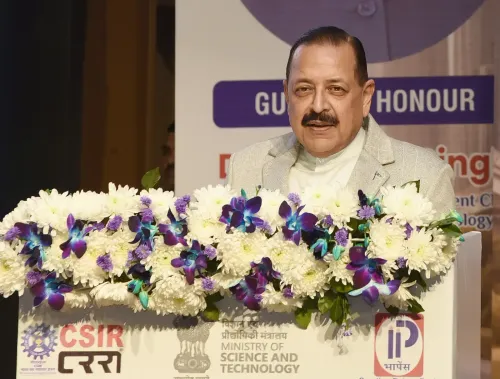
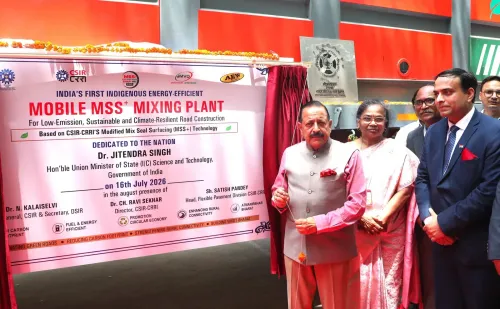
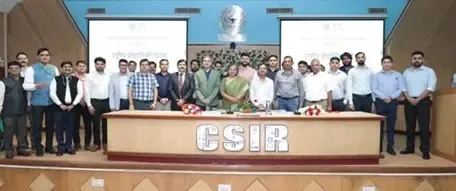
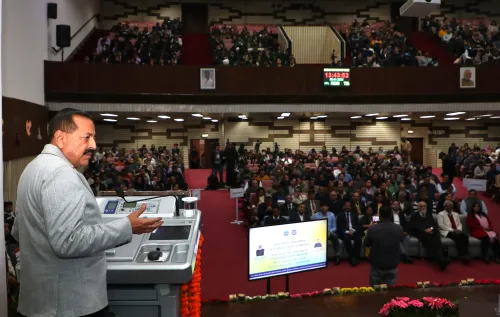
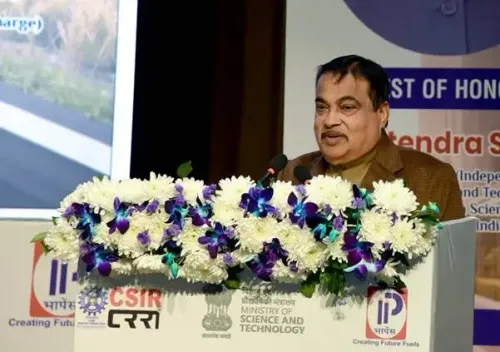
The Council of Scientific and Industrial Research (CSIR) on 19 November 2026 organised a Technology Transfer (ToT) and MoU signing event in New Delhi, transferring six indigenous technologies to industry partners and signing collaboration agreements to accelerate commercialisation, with a focus on sustainable road construction and circular economy practices, according to an official statement.
Key Technologies Transferred
CSIR-Structural Engineering Research Centre (CSIR-SERC), Chennai, showcased three technologies addressing infrastructure resilience, sustainable construction, and waste utilisation. Its Emergency Retrieval System (ERS) for Power Lines — an indigenous, lightweight, modular structural system designed for rapid restoration of electricity transmission lines after failures — was transferred to IFAB Global. CSIR-SERC also transferred its recycled aggregate-based eco-friendly bricks, hollow blocks, and paver blocks technologies to the National Automotive Test Tracks (NATRAX). These products utilise 100 per cent recycled aggregates and industrial waste, reducing dependence on natural aggregates and promoting large-scale use of construction and demolition waste.
Road Infrastructure: UHPC and MicroReAct-RAP
NATRAX also received the Ultra-High-Performance Concrete (UHPC) Pavement Technology, developed by CSIR-Central Road Research Institute (CSIR-CRRI), New Delhi. The technology offers high strength, superior durability, resistance to heavy axle loads, and reduced maintenance requirements — making it suitable for longer-lasting road infrastructure. The MicroReAct-RAP technology, a sustainable cold micro-surfacing solution incorporating up to 40 per cent reclaimed asphalt pavement (RAP), was transferred to three industry partners. It reduces the requirement for virgin aggregates and bitumen emulsion while promoting circular utilisation of road materials.
Bio-Bitumen: Turning Parali into Road Material
Among the more notable transfers was Bio-Bitumen, developed through collaborative research by CSIR-CRRI and CSIR-Indian Institute of Petroleum (CSIR-IIP), Dehradun. The technology converts agricultural residues — including rice straw (parali) — into a biomass-derived material capable of partially replacing conventional petroleum-based bitumen. This holds particular significance for Punjab and Haryana, where parali burning remains a severe annual air-quality crisis. Ravi Sekhar, Director of CSIR-CRRI, presented an overview of the technologies at the event, highlighting collaborative research efforts with CSIR-Advanced Materials and Processes Research Institute (CSIR-AMPRI), Bhopal, and CSIR-IIP.
MoUs Signed to Deepen Industry Collaboration
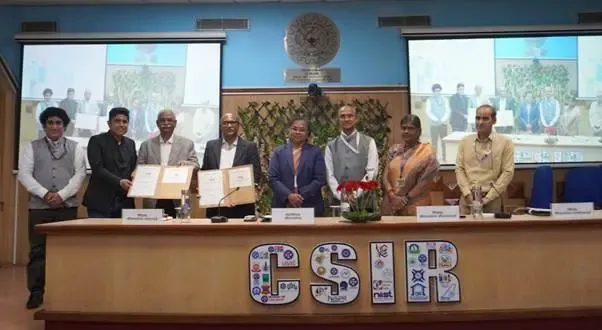
CSIR-CRRI signed two Memoranda of Understanding (MoUs) at the event — with the Global Automotive Research Centre (GARC), Tamil Nadu, and Pārakhi Skill Systems Private Limited, Patna — to strengthen research, technical cooperation, and industry engagement. This comes amid India's broader push to increase domestically developed content in public infrastructure, particularly as road construction under the National Highways Authority of India (NHAI) expands aggressively. The event signals a concerted effort by CSIR to bridge the gap between laboratory innovation and commercial deployment at scale.
Point of View
And what is the realistic timeline to commercial viability? CSIR has a credible innovation pipeline but a historically patchy record of converting lab transfers into market-scale adoption. The MoUs with GARC and a Patna-based skills firm suggest a skills-and-testing corridor strategy, but without procurement commitments from NHAI or state road agencies, the transfers remain promising rather than transformative.
NationPress
19 Nov 2026
Frequently Asked Questions
What technologies did CSIR transfer at the November 2026 event?
CSIR transferred six technologies at the event in New Delhi on 19 November 2026, including Bio-Bitumen, MicroReAct-RAP cold micro-surfacing, Ultra-High-Performance Concrete (UHPC) pavement, an Emergency Retrieval System for power lines, and recycled aggregate-based eco-friendly brick and paver block technologies. The transfers involved multiple CSIR labs and industry partners.
What is Bio-Bitumen and why does it matter?
Bio-Bitumen is a road construction material developed by CSIR-CRRI and CSIR-IIP that converts agricultural residues — including rice straw (parali) — into a biomass-derived substitute capable of partially replacing conventional petroleum-based bitumen. It matters because it addresses both India's dependence on imported crude-derived bitumen and the annual parali-burning crisis in northern India.
What is MicroReAct-RAP technology?
MicroReAct-RAP is a sustainable cold micro-surfacing solution that incorporates up to 40 per cent reclaimed asphalt pavement (RAP), reducing the need for virgin aggregates and bitumen emulsion. It was transferred to three industry partners at the event and supports circular utilisation of road construction waste.
Which organisations received the transferred technologies?
IFAB Global received the Emergency Retrieval System for Power Lines, while the National Automotive Test Tracks (NATRAX) received both the UHPC pavement technology and eco-friendly brick technologies. The MicroReAct-RAP technology was transferred to three industry partners. CSIR-CRRI also signed MoUs with GARC in Tamil Nadu and Pārakhi Skill Systems in Patna.
How does CSIR's technology transfer effort support India's road infrastructure goals?
India is aggressively expanding its national highway network, and CSIR's technology transfers aim to introduce sustainable, domestically developed materials — such as recycled aggregates, reclaimed asphalt, and bio-based bitumen — into commercial road construction. These technologies reduce reliance on imported or mined materials and align with circular economy and net-zero commitments.