EU Global Gateway vs China's BRI: €300bn alternative takes shape
Synopsis
With a €300 billion war chest and a governance-first model, the EU's Global Gateway is making a direct play for the infrastructure influence that China's Belt and Road Initiative has built over a decade — and it is doing so by targeting BRI's biggest weaknesses: debt opacity and financial stress on developing nations.
Key Takeaways
The EU's Global Gateway initiative is being positioned as a direct alternative to China's Belt and Road Initiative (BRI) , according to a Capital News report.
Global Gateway carries an investment target of €300 billion for the period 2021–2027 , covering digital, energy, transport, health, and climate sectors.
The BRI has faced growing scrutiny over debt sustainability , contract transparency, and financial strain on developing economies.
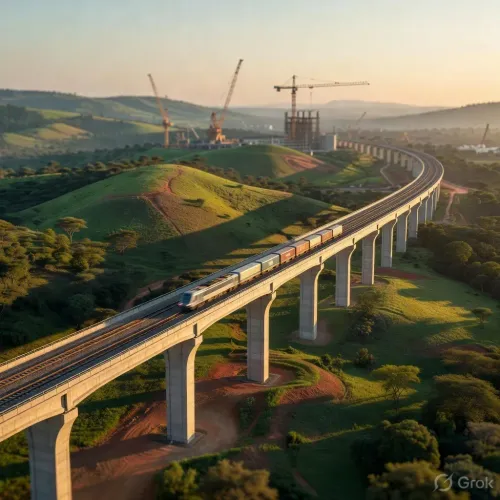
The Lobito Corridor — linking Angola , the Democratic Republic of Congo , and Zambia — is a flagship Global Gateway project aimed at cutting cargo transit times.
Global Gateway blends grants , concessional financing , and private investment , contrasting with BRI's state-to-state bilateral lending model.
The European Union's Global Gateway initiative is increasingly being positioned as a credible alternative to China's Belt and Road Initiative (BRI), offering a transparency-first, sustainability-driven model of international infrastructure financing, according to a report by Capital News, a Kenya-based platform.
Background: The BRI Under Scrutiny
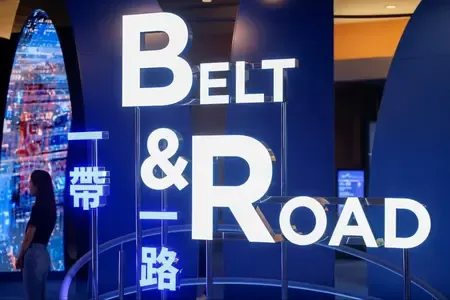
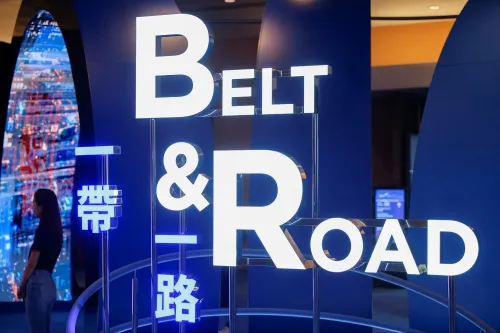
Launched by China over a decade ago, the Belt and Road Initiative was conceived as a flagship connectivity strategy spanning Asia, Africa, Europe, and Latin America. It has since financed large-scale railways, highways, ports, and energy projects across dozens of countries, significantly expanding Beijing's global infrastructure footprint.
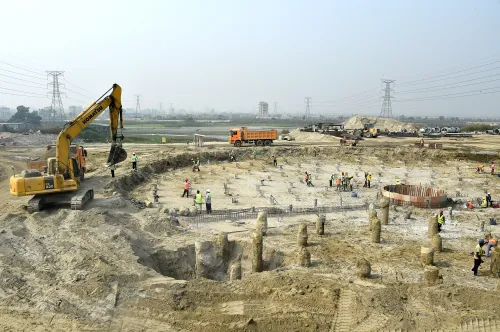
However, the BRI has faced mounting criticism in recent years over concerns related to debt sustainability, lack of transparency in contract terms, and long-term financial strain on several developing economies that accepted Chinese-funded projects. Critics argue that some recipient nations have found themselves in difficult debt positions with limited renegotiation room.
What Global Gateway Offers
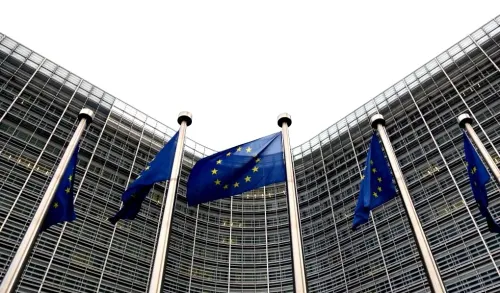
In contrast, the EU launched Global Gateway in 2021 with an investment target of €300 billion for the period 2021–2027. The programme focuses on infrastructure development across digital connectivity, clean energy, transport, health, education, and climate-related projects.
Unlike the BRI's centrally driven financing model, Global Gateway blends grants, concessional financing, and private investment. The EU has outlined good governance, democratic values, environmental sustainability, and private sector participation as the initiative's core pillars.
Key Flagship Projects
Among the most prominent projects under Global Gateway is the Lobito Corridor in Africa, designed to improve transport connectivity between Angola, the Democratic Republic of Congo, and Zambia. The corridor is expected to significantly reduce cargo transit times and deepen regional trade integration across southern and central Africa.
The initiative has also expanded into Central Asia, with transport and logistics corridors aimed at strengthening trade connectivity between the region and Europe. This comes amid broader Western efforts to present developing nations with infrastructure financing options outside the BRI framework.
The Bigger Picture
Notably, Global Gateway's emphasis on blended finance and multilateral governance structures represents a structural departure from BRI's bilateral, state-to-state lending model. Analysts have observed that the EU's approach attempts to address the very vulnerabilities — opacity, debt concentration, and limited local ownership — that have drawn criticism toward Chinese infrastructure lending.
Whether Global Gateway can match the BRI's sheer scale and speed of deployment remains an open question, but its €300 billion target and growing project pipeline suggest the EU is serious about competing for influence in the global infrastructure space.
Point of View
But counter-narratives alone do not build ports. The EU's blended finance model is structurally sounder than Chinese bilateral lending, yet it moves slower — and in infrastructure diplomacy, speed often wins political goodwill before sustainability concerns register. The real test is whether Global Gateway can disburse at scale before BRI further consolidates its position in Africa and Central Asia. The €300 billion figure also includes private capital that is not yet committed, which means the headline number flatters the actual public outlay. Developing nations watching this contest will judge by projects on the ground, not principles in a prospectus.
NationPress
30 Sept 2026
Frequently Asked Questions
What is the EU Global Gateway initiative?
The EU Global Gateway is a global infrastructure investment programme launched in 2021, with a target of €300 billion for the period 2021–2027. It focuses on digital connectivity, clean energy, transport, health, education, and climate projects, emphasising transparency, good governance, and blended public-private financing.
How does Global Gateway differ from China's Belt and Road Initiative?
Unlike the BRI's centrally driven, state-to-state bilateral lending model, Global Gateway blends grants, concessional loans, and private investment. It also places explicit emphasis on good governance, democratic values, and environmental sustainability — areas where the BRI has faced criticism.
Why has China's BRI come under scrutiny?
The Belt and Road Initiative has faced growing concerns over debt sustainability, lack of transparency in contract terms, and long-term financial stress on developing economies that accepted Chinese-funded infrastructure projects. Critics argue some recipient nations have had limited room to renegotiate unfavourable terms.
What is the Lobito Corridor and why does it matter?
The Lobito Corridor is a flagship Global Gateway project in Africa aimed at improving transport connectivity between Angola, the Democratic Republic of Congo, and Zambia. It is expected to significantly reduce cargo transit times and boost regional trade integration in southern and central Africa.
Is Global Gateway active in Asia?
Yes, Global Gateway has expanded into Central Asia through transport and logistics corridors designed to strengthen trade connectivity between the region and Europe, as part of a broader Western effort to offer developing nations infrastructure financing alternatives to the BRI.