Nanjing University study: Belt and Road cuts debt, boosts governance across 197 countries

Synopsis
A Nanjing University study covering 197 countries over 23 years claims China's Belt and Road Initiative improves governance and reduces debt risk — a direct empirical counter to the 'debt trap' narrative that has shaped Western policy for over a decade.
Key Takeaways
Nanjing University 's Centre for Asia-Pacific Development Studies , led by Mao Weizhun , published the study in the Quarterly Journal of International Politics in late July 2026 .
The research analysed data from 197 countries and regions between 2000 and 2023 .
146 countries had signed BRI cooperation agreements; 135 had active or completed BRI infrastructure projects.
Findings associate the BRI with improved corruption control, better governance, and reduced debt risk — contradicting 'debt trap' and 'road of corruption' characterisations.
Critics have long argued the BRI lacks transparency and fosters unsustainable debt and environmental damage in partner nations.
Independent international replication of the study's methodology will be essential to establishing broader credibility for its conclusions.
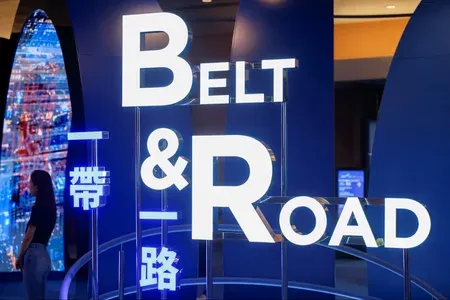
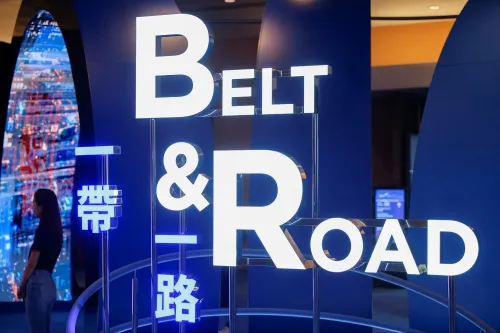
A peer-reviewed study covering 197 countries and regions over 23 years has found that China's Belt and Road Initiative (BRI) is associated with improved governance, reduced corruption, and lower debt risks — directly challenging the most persistent criticisms levelled at Beijing's flagship trade and infrastructure programme. The research was led by Mao Weizhun of Nanjing University's Centre for Asia-Pacific Development Studies and published in the peer-reviewed Quarterly Journal of International Politics in late July 2026.
What the research found
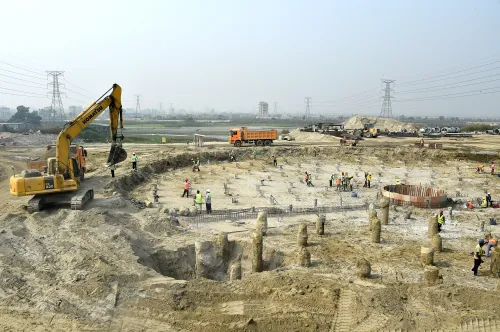
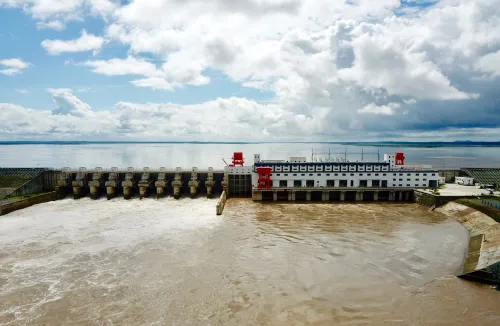
The team analysed data spanning 2000 to 2023, covering 146 countries that signed BRI cooperation agreements with China and 135 countries where BRI infrastructure projects had been launched or completed. Their findings indicate the initiative — which stretches across Africa, Asia, Europe, and beyond — correlates with measurable improvements in corruption control and economic development indicators.
The researchers explicitly stated their results challenged characterisations of the BRI as a 'failure', 'vulnerability trap', 'road of corruption', or a 'debt trap' — labels that have dominated Western policy discourse since the programme was launched in 2013.
Why it matters
The BRI remains one of the most consequential — and contested — geopolitical infrastructure programmes in modern history. Critics, including several Western governments and multilateral institutions, have argued the initiative lacks transparency, saddles partner nations with unsustainable debt, exploits local labour, and enables Beijing to extend political influence through economic dependency.
A large-scale empirical study pushing back against those narratives carries significant weight in the ongoing debate over the BRI's net impact, particularly as several African and Southeast Asian economies continue to deepen infrastructure ties with China.
The competitive backdrop
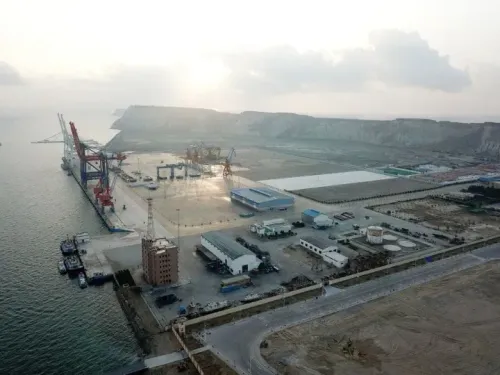
The study arrives as Western-led alternatives to the BRI — including the G7's Partnership for Global Infrastructure and Investment — struggle to match China's pace of project delivery and financing scale. Flagship BRI projects such as the Jakarta-Bandung High-Speed Railway, the China-Laos Railway, and the China-Pakistan Economic Corridor have become reference points in arguments both for and against the initiative's record.
The Nanjing team's work is likely to be cited by BRI proponents, though independent replication by researchers outside China will be critical to establishing broader academic consensus.
What's next
The publication of this research in a Chinese peer-reviewed journal means it will face scrutiny over potential institutional bias, and international economists are expected to subject the dataset and methodology to independent review. How the findings are received by multilateral bodies — and whether they shift the framing in upcoming BRI partnership negotiations — will be a key indicator of their real-world impact.
Point of View
And the absence of independent co-authors from outside China will invite methodological scrutiny. What mainstream coverage often misses is that the 'debt trap' debate has already shifted: the IMF and World Bank have themselves acknowledged that BRI debt distress is concentrated in a small subset of countries, not systemic. The more consequential question now is whether BRI projects deliver durable productivity gains — and on that, the evidence remains genuinely mixed.
NationPress
27 Sept 2026
Frequently Asked Questions
What did the Nanjing University Belt and Road study find?
Researchers at Nanjing University found that the Belt and Road Initiative is associated with improved governance, better corruption control, and reduced debt risks across the countries studied. The study covered 197 countries and regions between 2000 and 2023 .
Is the Belt and Road Initiative really a debt trap?
The Nanjing University study directly challenges the 'debt trap' characterisation, arguing its data from 146 BRI signatory countries shows reduced rather than elevated debt risks. Critics, however, maintain that the initiative lacks transparency and has created unsustainable debt burdens in specific partner nations.
Who led the Belt and Road governance study?
The research was led by Mao Weizhun of Nanjing University 's Centre for Asia-Pacific Development Studies . It was published in the peer-reviewed Quarterly Journal of International Politics in late July 2026 .
How many countries are part of the Belt and Road Initiative?
According to the study, 146 countries have signed BRI cooperation agreements with China , and 135 countries have had BRI infrastructure projects launched or completed as of the study period ending 2023 .
What are the main criticisms of the Belt and Road Initiative?
Critics argue the BRI lacks transparency, generates unsustainable debt for partner nations, exploits local workers, causes environmental damage, and is used by Beijing to extend geopolitical influence. These criticisms have been raised by Western governments and several civil society organisations since the initiative launched in 2013 .