China shifts to smaller, strategic investments in developing nations
Synopsis
China's era of megaproject sovereign lending is over. Beijing has quietly pivoted to smaller, commercially driven investments — equity stakes, PPPs, and local-currency deals — in renewable energy, critical minerals, and digital infrastructure. Debt disasters in Zambia, Sri Lanka, and Pakistan have accelerated the rethink, and the Global South is now navigating a far more selective Chinese financier.
Key Takeaways
China has shifted from large sovereign credit lines to equity participation , public-private partnerships , and local-currency financing in developing nations.
Construction contracts made up nearly two-thirds of China's total overseas engagement last year, while policy-bank lending remains below its mid-2010s peak .
Capital is now directed toward renewable energy in Africa, critical minerals in Latin America, and digital infrastructure in Southeast Asia.
Zambia's debt restructuring and Sri Lanka's Hambantota port crisis exposed the risks of the earlier model and accelerated the pivot.
CPEC has been recalibrated from highways and coal plants to agriculture and digital projects amid fiscal and security pressures.
Access to Chinese capital is now described as 'more conditional, commercially oriented and strategically selective,' with green and supply-chain projects favoured.
China's development finance model has undergone a significant structural shift, with investments in Africa, Latin America, Southeast Asia, and other developing regions now concentrated in equity participation, public-private partnerships, and local-currency financing — replacing the large sovereign credit lines that defined Beijing's earlier approach, according to an analysis published by South Africa's IOL news platform.
End of the Megaproject Era
The era of headline-grabbing infrastructure loans under the Belt and Road Initiative (BRI) has receded, the analysis by journalist Edwin Naidu argues. 'This marks a departure from the expansive vision of the BRI's early years, when surplus capital and industrial capacity were projected outward to reshape growth across the Global South,' Naidu writes. 'Today, Chinese firms continue to build and invest — particularly in renewable energy, critical minerals and advanced manufacturing — but the era of megaproject lending has receded.'
Construction contracts reportedly accounted for nearly two-thirds of total Chinese engagement in developing countries last year, while policy-bank lending remained well below its mid-2010s peak. The shift is not merely tactical — it reflects deeper changes in China's domestic political economy.
Where Capital Is Now Flowing
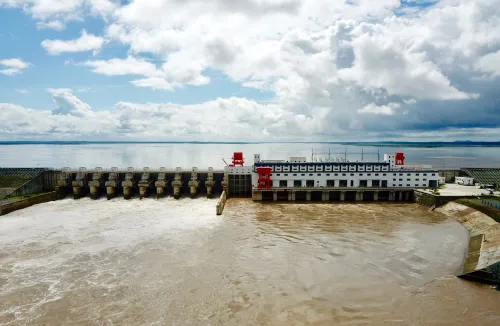
Beijing's recalibrated strategy channels investment toward sectors aligned with its long-term national priorities. These include renewable energy networks in Africa, critical mineral partnerships in Latin America, digital infrastructure in Southeast Asia, and manufacturing ecosystems designed to reinforce global supply-chain resilience. Connectivity projects still feature, but are no longer pursued as an end in themselves, according to the analysis.
The pivot is driven in part by China's own economic pressures — a slowing domestic economy, rising government debt, and an urgent push for technological self-sufficiency in areas such as semiconductor production and energy transition. These constraints have redirected capital inward, leaving less room for the kind of open-ended sovereign lending that characterised the BRI's first decade.
Lessons from Debt Distress
High-profile financing failures have also imposed hard limits on China's overseas ambitions. Zambia's debt restructuring exposed what analysts describe as the fragmented nature of China's financing architecture — multiple lenders, opaque terms, and limited coordination. Sri Lanka's Hambantota port, meanwhile, became a cautionary symbol of how grand infrastructure ambitions can outpace economic fundamentals, drawing sustained international scrutiny.
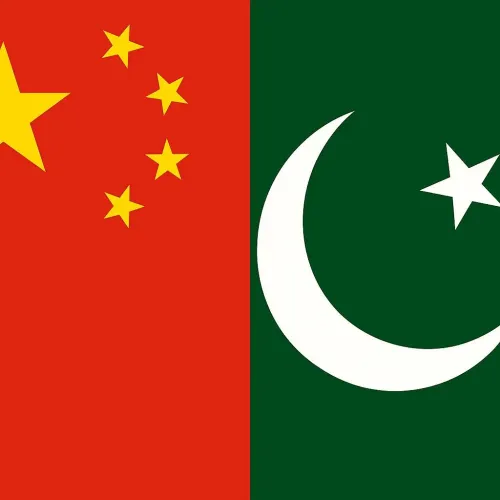
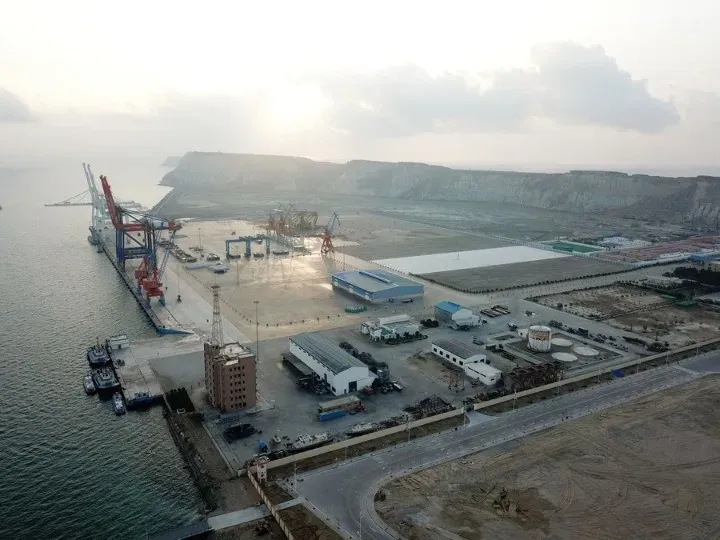
The recalibration of the China-Pakistan Economic Corridor (CPEC) offers perhaps the clearest example of the new approach in practice. Islamabad has shifted the corridor's focus away from highways and coal-fired power plants toward agriculture and digital infrastructure, reflecting a combination of fiscal constraints and security risks that made the original model unsustainable.
What This Means for Developing Countries
For governments across the Global South, the practical implications are significant. 'Access to Chinese capital is more conditional, commercially oriented and strategically selective,' the IOL analysis notes. Projects tied to green transitions and supply-chain resilience are more likely to attract Chinese support; prestige infrastructure with uncertain financial returns is less likely to proceed.
This selectivity marks a meaningful departure from the early BRI playbook, when political symbolism and bilateral relationships often determined which projects received funding. As China's own development priorities evolve, so too does the calculus it applies to overseas investment — with consequences for dozens of nations that had built infrastructure pipelines around the expectation of large-scale Chinese lending.
Point of View
Sri Lanka, and Pakistan collectively demonstrated that megaproject sovereign lending without enforceable returns is a liability, not leverage. What mainstream coverage underplays is that this pivot also suits Beijing strategically: smaller, commercially structured deals in critical minerals and renewables lock in supply-chain influence without the reputational blowback of debt-trap optics. The Global South is not losing a generous lender; it is gaining a more transactional one. Governments that built infrastructure pipelines around large BRI loans will need to rethink their financing strategies — and fast.
NationPress
28 Oct 2026
Frequently Asked Questions
Why has China shifted away from large BRI loans to developing countries?
China has moved away from large sovereign credit lines due to a combination of domestic economic pressures — including a slowing economy, rising government debt, and a focus on technological self-sufficiency — and high-profile overseas debt failures in Zambia, Sri Lanka, and Pakistan. The new approach favours smaller, commercially viable projects in renewable energy, critical minerals, and digital infrastructure.
What types of investments is China now making in Africa and the Global South?
China's current investments are concentrated in equity participation, public-private partnerships, and local-currency financing. Sectorally, the focus is on renewable energy networks in Africa, critical mineral partnerships in Latin America, and digital infrastructure in Southeast Asia, according to the IOL analysis.
How did Zambia and Sri Lanka influence China's investment strategy?
Zambia's debt restructuring revealed the fragmented and opaque nature of China's financing architecture, while Sri Lanka's Hambantota port became a symbol of infrastructure ambition outpacing economic reality. Both cases drew international scrutiny and reinforced the case for a more commercially disciplined approach.
What has changed about the China-Pakistan Economic Corridor (CPEC)?
Pakistan has recalibrated CPEC away from its original focus on highways and coal-fired power plants toward agriculture and digital infrastructure. The shift reflects fiscal constraints and security risks that made the earlier model difficult to sustain.
What does China's investment pivot mean for developing countries seeking funding?
Developing nations can expect Chinese capital to be more conditional and strategically selective. Projects aligned with green transitions and supply-chain resilience are more likely to receive support, while prestige infrastructure with uncertain financial returns is less likely to proceed, according to the analysis.