China's superpower rise faces slowing growth, demographic and geopolitical headwinds
Synopsis
China's superpower blueprint — built on economic clout and military muscle — is running into structural limits it did not fully anticipate. Youth unemployment, a collapsing property sector, an ageing population, and a global coalition of nations recalibrating away from Beijing are converging into a set of challenges that, according to the analysis, the CCP cannot resolve simply by doubling down on the same strategy.
Key Takeaways
An analysis in the European Times by Khedroob Thondup , nephew of the Dalai Lama , argues China's superpower trajectory is increasingly contested.
The CCP's strategy rests on two pillars — economic dominance and military strength — both of which face mounting structural pressures.
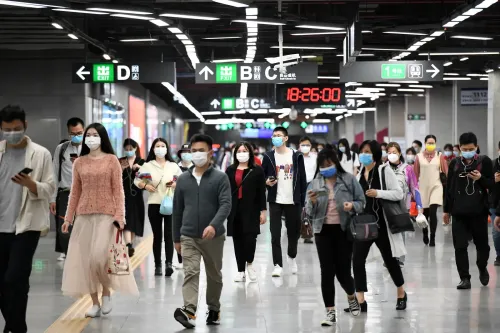
Youth unemployment, an unstable property sector, and heavy local government debt are straining China's economic model.
Military modernisation has sharpened tensions with the US over Taiwan , with India along the Himalayan border, and in the South China Sea .
Nations including Japan , Australia , and the EU are actively reducing strategic dependency on Beijing .
Thondup identifies a central paradox: economic fragility undermines confidence while military assertiveness provokes resistance.
China's ambition to emerge as a global superpower is increasingly under strain, as slowing economic growth, a shrinking population, and mounting geopolitical resistance test the Chinese Communist Party's (CCP) two-decade-long strategic blueprint, according to an analysis published in the European Times. The assessment argues that while Beijing's rise is not in doubt, its trajectory is becoming far more contested than the CCP's internal calculus anticipated.
The Two Pillars of Beijing's Superpower Strategy
Khedroob Thondup, nephew of the Dalai Lama and the author of the analysis, identifies two structural pillars underpinning the CCP's superpower vision: economic dominance and military strength. He traces the economic pillar back to reforms introduced by former Chinese leader Deng Xiaoping, under which prosperity was treated as the cornerstone of national power — fuelling domestic legitimacy while generating geopolitical leverage abroad.
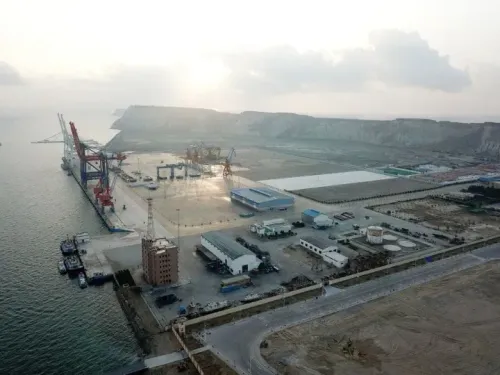
Initiatives such as the Belt and Road Initiative (BRI) exemplified this logic, binding partner nations into Beijing's orbit through infrastructure financing and trade dependency. However, Thondup argues the model is showing structural cracks. Youth unemployment remains elevated, the property sector is under sustained stress, and local government debt burdens have grown difficult to manage. 'The promise of endless growth is faltering, raising doubts about whether wealth alone can sustain the CCP's superpower dream,' he wrote.
Military Modernisation and the Risks It Creates
On the military front, Beijing has invested heavily in transforming the People's Liberation Army (PLA) from a predominantly land-based force into a technologically advanced institution with blue-water naval capabilities, sophisticated cyber warfare units, and advanced missile systems. The strategic objective, according to Thondup, is threefold: deter US intervention in Asia, assert dominance in the South China Sea, and project power on a global scale.
Yet the build-up carries its own contradictions. Tensions with the US over Taiwan, repeated clashes with India along the Himalayan border, and overlapping maritime disputes in the South China Sea all illustrate, Thondup argues, how military assertiveness can provoke precisely the resistance it seeks to pre-empt. 'Military expansion invites confrontation,' he noted.
Three Enduring Constraints on China's Rise
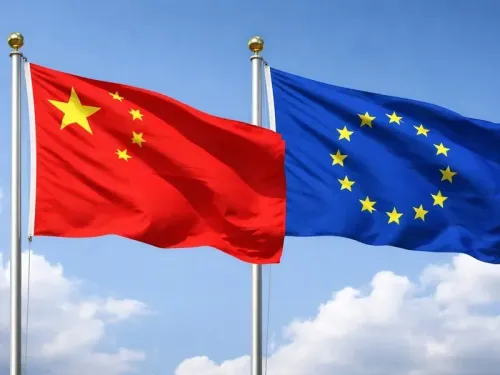
Thondup identifies three structural challenges that he argues place a ceiling on China's superpower trajectory. First, economic slowdown: growth is no longer guaranteed, and the CCP's political legitimacy remains tightly bound to material prosperity. Second, demographic decline: a shrinking workforce and a rapidly ageing population threaten long-term productivity and fiscal sustainability. Third, geopolitical pushback: nations from Japan to Australia to the European Union (EU) are actively recalibrating their ties with Beijing, wary of strategic dependency and economic coercion.
This comes amid a broader global realignment in which Western economies are accelerating supply-chain diversification away from China, and Indo-Pacific security architecture — including the Quad and AUKUS — is being reinforced specifically to hedge against Chinese military expansion.
The Central Paradox
Thondup's core argument is that the very instruments Beijing has deployed to build superpower status have simultaneously created new vulnerabilities. Economic fragility, he contends, undermines domestic confidence, while military assertiveness provokes external resistance — a paradox the CCP has yet to resolve. He acknowledges that the CCP's superpower vision is 'not fanciful but rooted in decades of planning,' yet argues the contradictions are structural, not incidental.
Whether Beijing can navigate these compounding pressures without triggering a sharper economic correction or a military miscalculation will likely define the character of global geopolitics through the next decade.
Point of View
PLA modernisation was meant to deter US intervention, but has instead strengthened the case for AUKUS and Quad. The CCP's domestic legitimacy calculus — prosperity in exchange for political compliance — is also under pressure in a way it was not during the high-growth decades. The question is not whether China will remain a major power, but whether it can sustain the specific superpower narrative the CCP has staked its authority on.
NationPress
22 Sept 2026
Frequently Asked Questions
What are the main challenges to China's superpower ambitions?
According to the European Times analysis, China faces three structural challenges: economic slowdown with faltering growth and property sector stress, demographic decline driven by an ageing population and shrinking workforce, and geopolitical pushback from nations including Japan, Australia, and the EU recalibrating away from Beijing.
Who authored the analysis on China's superpower trajectory?
The analysis was written by Khedroob Thondup, the nephew of the Dalai Lama, and published in the European Times. Thondup examines the CCP's two-pillar strategy of economic dominance and military strength, and argues both face mounting headwinds.
How has China's Belt and Road Initiative contributed to its geopolitical challenges?
The Belt and Road Initiative was designed to convert economic investment into geopolitical influence by binding partner countries through infrastructure loans and trade dependency. However, critics argue it has accelerated resistance, with many nations now actively reducing strategic dependency on Beijing over concerns about debt and coercion.
What is the significance of China's military modernisation?
China has transformed its military into a technologically advanced force with blue-water naval capabilities, cyber warfare units, and advanced missile systems. While aimed at deterring US intervention and asserting dominance in the South China Sea, the build-up has intensified tensions with the US over Taiwan, with India along the Himalayan border, and in regional maritime disputes.
Is China's rise as a superpower still considered likely?
The analysis does not dismiss China's rise — Thondup acknowledges the CCP's vision is 'rooted in decades of planning.' However, he argues the trajectory is far less smooth than Beijing anticipated, with economic fragility and military assertiveness creating a paradox that the CCP has yet to resolve.