Gadkari: Govt pushing 15% isobutanol blending in diesel to slash oil imports
Synopsis
India is quietly building the case for a new biofuel blend — isobutanol in diesel — that could reshape the country's energy import equation. With trials already running on farm and construction equipment, and Gadkari publicly committing to a 15 per cent blending target, this is the next frontier in India's alternative fuel push, beyond the better-known ethanol-petrol programme.
Key Takeaways
Nitin Gadkari announced the government is working on 15% isobutanol blending in diesel to reduce crude oil imports.
Isobutanol is being developed from ethanol as a workaround, since ethanol cannot be blended directly with diesel.
Trials of isobutanol have already begun on construction and agricultural equipment , with successful results reported.
The initiative is part of a broader clean energy strategy covering ethanol, SAF, bio-CNG, methanol, biodiesel, LNG, hydrogen , and EVs .
Gadkari urged automakers to develop flex-fuel technologies and convert existing Euro-VI vehicles to flex-fuel compatibility.
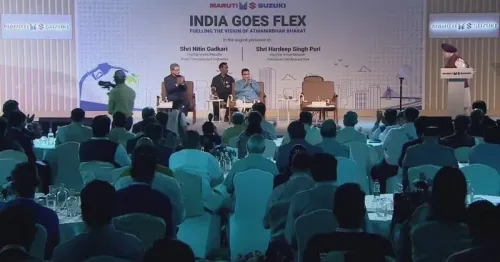
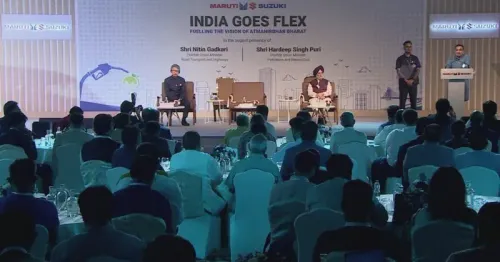
The announcement was made at the launch of India's first flex-fuel passenger vehicle by Maruti Suzuki on 4 June .
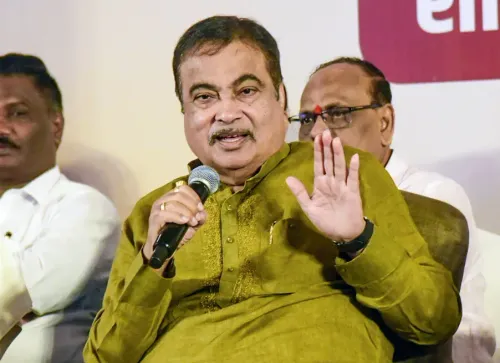
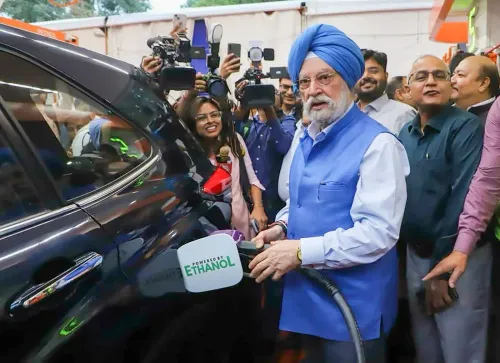
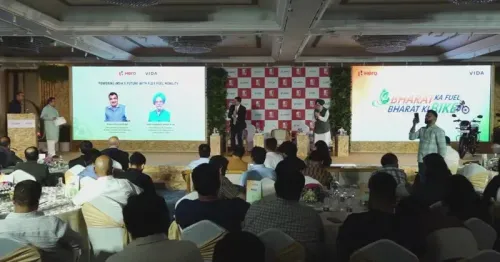
Union Minister for Road Transport and Highways Nitin Gadkari has announced that the government is actively developing a plan to allow up to 15 per cent isobutanol blending in diesel, positioning the biofuel as a viable substitute for conventional diesel and a key lever to reduce India's dependence on crude oil imports. The disclosure came on 4 June during the launch of India's first flex-fuel passenger vehicle by Maruti Suzuki India Limited, held on the occasion of World Environment Day.
Why Isobutanol, Not Ethanol
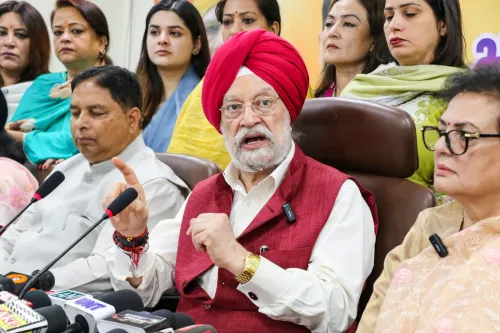
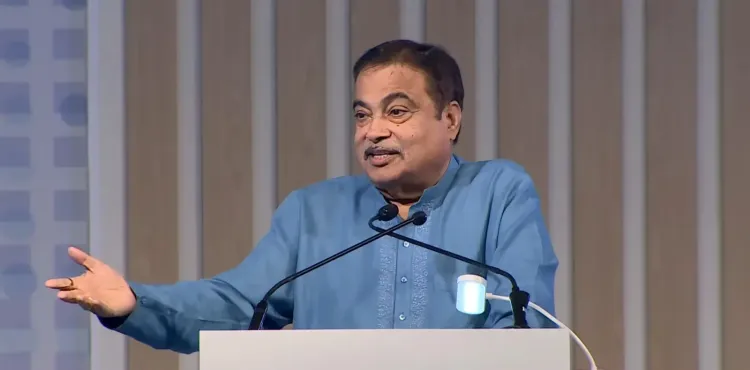
Gadkari explained that ethanol cannot be blended directly with diesel — a technical constraint that has pushed the government toward isobutanol, which is derived from ethanol. 'Isobutanol can be an alternative to diesel. We are also working on allowing 15 per cent isobutanol blending in diesel,' the minister said at the event, which was also attended by Union Minister for Petroleum and Natural Gas Hardeep Singh Puri.
Testing of isobutanol has already commenced for construction and agricultural equipment, with initial trials reportedly demonstrating the fuel's technical viability. Gadkari added that he had launched two generator sets running entirely on ethanol and isobutanol, calling it proof that engines can be engineered to operate on these alternative fuels.
Part of a Broader Clean Energy Push
The isobutanol blending initiative sits within a wider government strategy to diversify India's energy basket and reduce fossil fuel imports. Gadkari highlighted the government's simultaneous focus on ethanol, sustainable aviation fuel (SAF), bio-CNG, methanol, biodiesel, LNG, hydrogen, and electric mobility as complementary pillars of the country's clean energy transition.
Notably, despite significant strides in alternative fuels — including the near-achievement of the 20 per cent ethanol blending target in petrol — India continues to import large volumes of fossil fuels, making energy diversification a strategic priority.
Call to Automakers on Flex-Fuel
At the same event, Gadkari urged automobile manufacturers to accelerate development of flex-fuel technologies and explore converting existing Euro-VI vehicles into flex-fuel-compatible models through authorised service centres. The launch of Maruti Suzuki's flex-fuel passenger vehicle marks a milestone in that direction, signalling growing industry alignment with the government's alternative fuel roadmap.
What This Means for India's Oil Import Bill
India spends hundreds of thousands of crores annually on crude oil imports, and diesel accounts for a significant share of domestic fuel consumption. A 15 per cent isobutanol blend in diesel, if scaled nationally, could meaningfully reduce the import burden while simultaneously creating demand for domestically produced biofuels. The policy, once finalised, is expected to benefit the agricultural sector as a feedstock supplier and reduce emissions from heavy transport and farm equipment. Further regulatory and technical guidelines are awaited before the programme moves to commercial rollout.
Point of View
No regulatory draft, and no commercial rollout framework on the table. India's ethanol blending programme took over a decade to approach its 20% petrol target; diesel blending is a far larger and more complex challenge given diesel's dominant role in freight, agriculture, and construction. The real question is whether isobutanol can be produced at scale domestically at a price that makes blending economically viable without a subsidy crutch. Until those numbers are public, this remains a directional signal, not a programme.
NationPress
4 Jul 2026
Frequently Asked Questions
What is isobutanol blending in diesel and why is India pursuing it?
Isobutanol is a biofuel derived from ethanol that can be blended with diesel, unlike ethanol itself which is chemically incompatible with diesel. India is pursuing it as a way to reduce crude oil imports and lower emissions from diesel-heavy sectors like freight, agriculture, and construction.
What blending percentage is the government targeting for isobutanol in diesel?
The government is working toward allowing up to 15 per cent isobutanol blending in diesel, according to Union Minister Nitin Gadkari. Trials are already underway on construction and agricultural equipment, though no commercial rollout timeline has been announced.
How does isobutanol differ from ethanol as a fuel?
Ethanol cannot be blended directly with diesel due to chemical incompatibility, whereas isobutanol — produced from ethanol — can be. Isobutanol also has a higher energy density than ethanol, making it more suitable as a diesel substitute or blending component.
What was the occasion for Gadkari's announcement?
The announcement was made on 4 June at the launch of India's first flex-fuel passenger vehicle by Maruti Suzuki India Limited, held on World Environment Day, in the presence of Petroleum and Natural Gas Minister Hardeep Singh Puri.
What other alternative fuels is India focusing on alongside isobutanol?
India's clean energy transition strategy includes ethanol, sustainable aviation fuel (SAF), bio-CNG, methanol, biodiesel, LNG, hydrogen, and electric mobility, all of which Gadkari highlighted as part of the government's effort to diversify the country's energy basket.