Piyush Goyal: India must turn global uncertainty into reform opportunity
Synopsis
Commerce Minister Piyush Goyal used the ASSOCHAM India Business Reform Summit 2026 to reframe global disruption as India's strategic opening — pointing to 1,800 GCCs generating 2 million direct jobs and calling for faster reforms, smarter business practices, and a government-built digital infrastructure ecosystem to capture the moment.
Key Takeaways
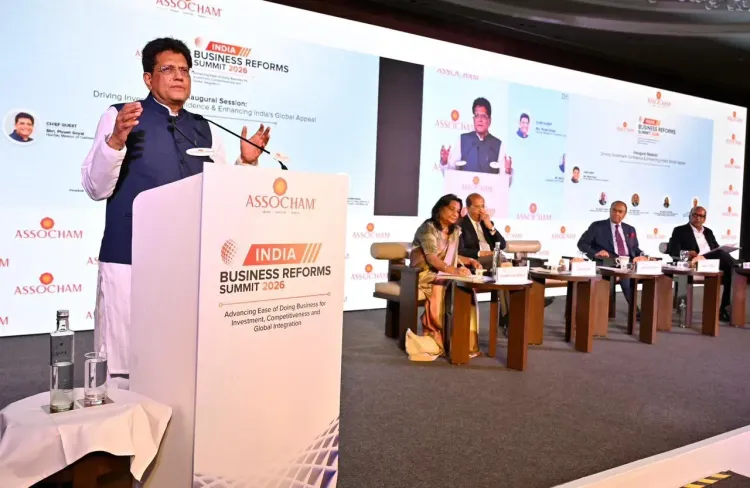
Piyush Goyal addressed the ASSOCHAM India Business Reform Summit 2026 in New Delhi on 19 May .
He called on industry and government to collaborate on faster reforms and supply-chain resilience amid global geopolitical uncertainty.
Approximately 1,800 GCCs operate in India, supporting nearly 2 million direct jobs and around 10 million indirect jobs .
Goyal flagged Artificial Intelligence and cyber security as key emerging opportunities for India's services sector.
The government is building an ecosystem for data centres and cloud services via renewable energy, low-cost data, and global partnerships.
He cited COVID-19 as evidence that India can convert crises into structural advantages through digital adoption.
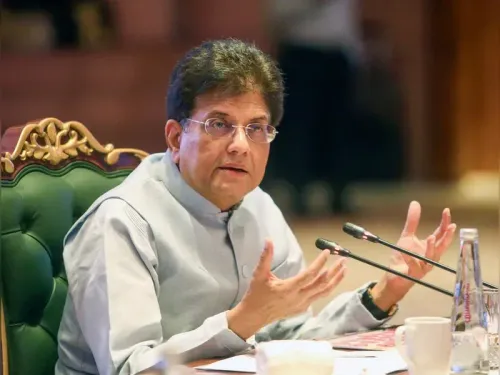
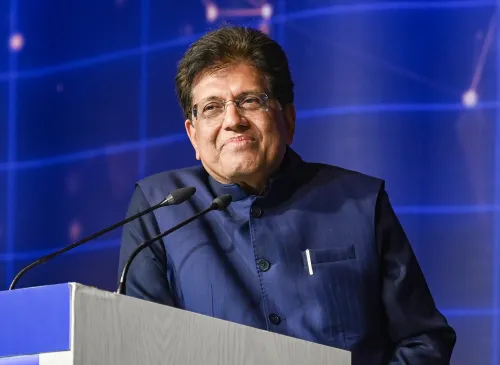
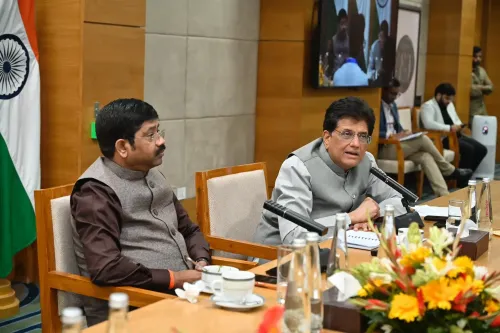
Union Minister of Commerce and Industry Piyush Goyal on Tuesday, 19 May urged Indian industry and the government to deepen collaboration in advancing ease of doing business, sharpening the country's competitiveness, and accelerating the march toward Viksit Bharat 2047. Addressing the ASSOCHAM India Business Reform Summit 2026 in New Delhi, Goyal argued that prevailing geopolitical turbulence and global supply-chain disruptions represent a strategic opening — not a setback — for India.
Turning Crisis into Competitive Advantage
Goyal drew a direct line between India's past crisis management and its future potential. 'India and Prime Minister Narendra Modi have never allowed a crisis to go to waste,' he said, expressing confidence that the country would convert current global risks into opportunities for growth and reform. He pointed to the COVID-19 pandemic as proof of concept, noting that the disruption had accelerated digital engagement and remote working models that have since become structural strengths.
On the ongoing West Asia crisis, the minister advised businesses to remain alert to both risks and opportunities without panicking — a calibrated posture that he said had served India well through earlier shocks.
GCCs: India's Quiet Jobs Engine
One of the summit's more striking data points came from Goyal's remarks on Global Capability Centres (GCCs). Approximately 1,800 GCCs are currently operating in India, generating close to 2 million direct jobs and around 10 million indirect jobs, he noted. The minister said international companies increasingly recognise India as a trusted partner, citing the country's youthful and talented workforce as a key differentiator capable of supporting global operations at scale.
This comes amid a broader global reconfiguration of supply chains, with multinationals actively diversifying away from single-country dependencies — a shift that India's GCC ecosystem is well-positioned to absorb.
Emerging Technologies and the Services Opportunity
Goyal expressed confidence in India's services sector as a long-term engine of growth, specifically flagging Artificial Intelligence and cyber security as domains where new opportunities are emerging rapidly. He emphasised that India should view technological shifts, business reforms, and global developments as tailwinds rather than threats.
The minister also outlined the government's efforts to build an enabling ecosystem for data centres and cloud services, anchored by trusted global partnerships, low-cost data availability, renewable energy expansion, and robust power infrastructure. Notably, this signals a policy intent to position India not just as a services exporter but as a global digital infrastructure hub.
The Reform Agenda: Productivity and Efficiency
Beyond technology, Goyal stressed the need for smarter and more efficient business practices across the board — reducing waste, improving productivity, and adopting energy efficiency measures. He called for faster structural reforms and greater supply-chain resilience as non-negotiable priorities in an era of prolonged geopolitical uncertainty.
Industry bodies at the summit are expected to follow up with specific recommendations on regulatory simplification and logistics reform in the coming weeks.
Point of View
800 centres and 10 million indirect jobs, India's quiet digital-services expansion is arguably outpacing its headline manufacturing story. The harder question the summit did not surface: whether India's regulatory and logistics infrastructure can actually absorb the next wave of GCC and data-centre investment at the speed global companies now require. Confidence is warranted; complacency is not.
NationPress
3 Oct 2026
Frequently Asked Questions
What did Piyush Goyal say at the ASSOCHAM India Business Reform Summit 2026?
Commerce and Industry Minister Piyush Goyal called on industry and government to collaborate on easing business regulations, strengthening supply chains, and accelerating reforms to advance Viksit Bharat 2047. He argued that current global uncertainties and geopolitical disruptions should be treated as strategic opportunities for India rather than threats.
How many GCCs are operating in India and how many jobs do they support?
According to Goyal, approximately 1,800 Global Capability Centres are currently operating in India, generating close to 2 million direct jobs and around 10 million indirect jobs. He described international companies as increasingly viewing India as a trusted partner for global operations.
What sectors did Goyal highlight as growth opportunities for India?
Goyal specifically highlighted Artificial Intelligence, cyber security, data centres, and cloud services as key emerging opportunities. He said the government is actively building an enabling ecosystem through renewable energy expansion, low-cost data availability, and trusted global partnerships.
Why did Goyal reference COVID-19 at the summit?
Goyal cited India's COVID-19 response as evidence that the country can convert crises into structural advantages, pointing to the accelerated adoption of digital engagement and remote working models during the pandemic as lasting gains.
What is Viksit Bharat 2047?
Viksit Bharat 2047 is the Indian government's long-term vision to transform India into a fully developed nation by 2047, the centenary of independence. It encompasses goals around economic growth, infrastructure, manufacturing competitiveness, and social development.