GreenLine, Dabur India tie up to decarbonise road logistics with LNG trucks
Synopsis
Dabur India has brought one of India's largest FMCG supply chains into the green freight fold, partnering with Essar-backed GreenLine Mobility Solutions to run LNG-powered heavy trucks across its logistics network. With GreenLine's fleet already clocking over 100 million kilometres and cutting 27,000 tonnes of CO₂, this deal signals that low-emission road freight is moving from pilot to mainstream in corporate India.
Key Takeaways
GreenLine Mobility Solutions and Dabur India announced a green logistics partnership on 22 July .
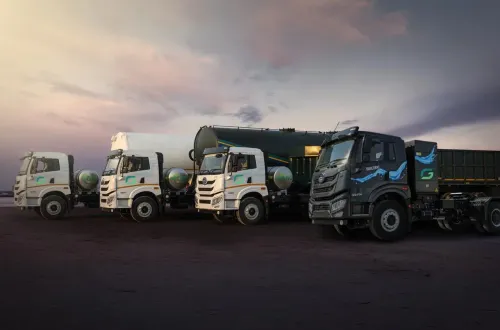
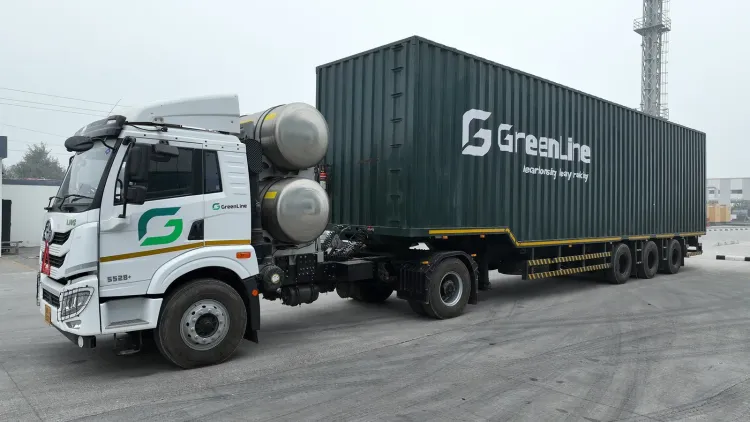
GreenLine will deploy LNG-powered heavy commercial trucks across Dabur's road freight operations.
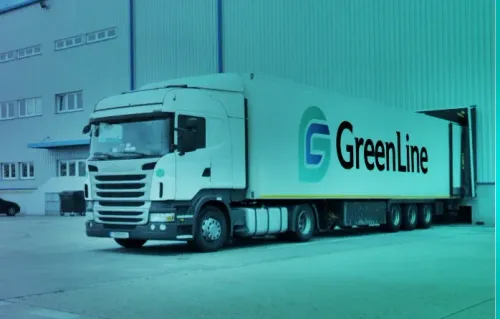
GreenLine operates over 1,000 vehicles across major Indian freight corridors, serving steel, cement, mining, FMCG, and chemicals sectors.
The fleet has travelled more than 100 million kilometres , helping reduce over 27,000 tonnes of CO₂ emissions for customers.
The deal supports Dabur India's broader sustainability roadmap to reduce the environmental footprint of its supply chain.
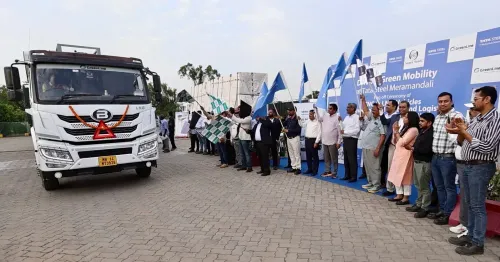
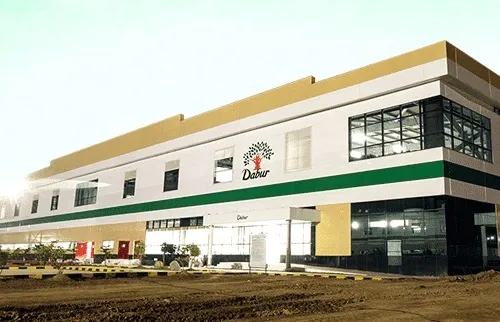
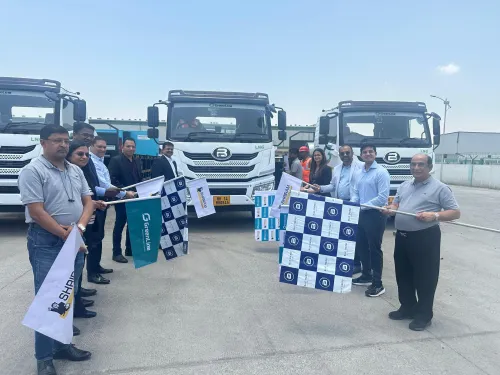
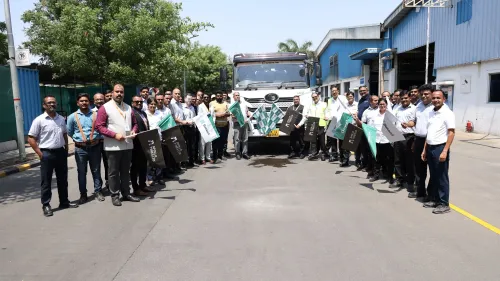
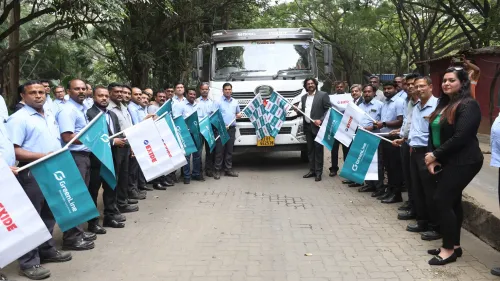
GreenLine Mobility Solutions Limited, an Essar venture and India's only operator of LNG and electric-powered heavy commercial trucks, on 22 July announced a strategic partnership with Dabur India Limited to decarbonise the FMCG major's road logistics operations through an LNG-powered fleet. The collaboration marks a significant step in India's green freight transition, with GreenLine deploying its low-emission trucks across Dabur's supply chain corridors.
What the Partnership Covers
Under the agreement, GreenLine will integrate its LNG-powered heavy commercial trucks into Dabur India's logistics network, targeting a reduction in emissions from long-haul freight without compromising on operational efficiency or delivery reliability. The scope covers Dabur's existing freight routes, with the fleet deployment expected to directly support the company's broader sustainability roadmap.
What the Companies Said
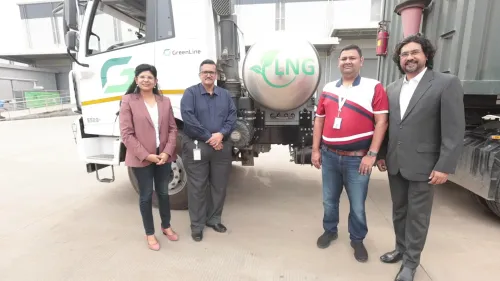
Charles Devlin D'Costa, Vice President – Sales, GreenLine Mobility Solutions Limited, said the partnership reflects a growing shift among Indian corporates toward low-emission logistics. 'We are pleased to partner with Dabur India, one of India's most respected consumer goods companies, as it adopts greener road transportation solutions. It is encouraging to see more leading Indian companies making low-emission logistics an integral part of their business strategy,' D'Costa said.
He added that 'every such partnership strengthens the momentum towards cleaner freight mobility, bringing us a step closer to transforming India's road logistics ecosystem.'
Samrat Sehgal, Global Director of Supply Chain, Dabur India, said reducing the environmental footprint of the supply chain is a core part of Dabur's sustainability agenda. 'Our partnership with GreenLine enables us to integrate lower-emission transportation into our logistics operations while maintaining efficiency and reliability,' Sehgal said, adding that such collaborations will be pivotal in building a future-ready supply chain.
GreenLine's Scale and Track Record
GreenLine currently operates over 1,000 vehicles across major freight corridors in India, serving sectors including steel, cement, mining, FMCG, and chemicals. Its fleet has collectively covered more than 100 million kilometres, helping customers collectively avoid over 27,000 tonnes of CO₂ emissions. The Dabur tie-up adds one of India's largest FMCG names to a client base that spans heavy industry.
Why This Matters for India's Green Freight Push
India's road freight sector is among the country's largest contributors to transport emissions, and LNG-powered trucks are increasingly seen as a viable bridge technology before full electrification becomes feasible for long-haul routes. This partnership reflects a wider trend of Indian corporations embedding lower-emission logistics into their environmental, social, and governance (ESG) commitments. Notably, the FMCG sector — with its extensive pan-India distribution networks — represents a high-volume opportunity for green fleet operators like GreenLine. Each such corporate adoption builds the commercial case for scaling LNG infrastructure along national freight corridors.
Point of View
Not a PR footnote. LNG trucks remain a transitional technology — cleaner than diesel but not zero-emission — and the real question is whether these partnerships accelerate the infrastructure buildout needed for long-haul electrification, or simply delay it. India's freight decarbonisation story will ultimately be written by whether LNG serves as a genuine bridge or a convenient detour.
NationPress
21 Oct 2026
Frequently Asked Questions
What is the GreenLine and Dabur India logistics partnership about?
GreenLine Mobility Solutions will deploy its LNG-powered heavy commercial trucks across Dabur India's road logistics operations to reduce supply chain emissions. The partnership supports Dabur's sustainability roadmap while maintaining freight efficiency and reliability.
What is GreenLine Mobility Solutions?
GreenLine Mobility Solutions Limited is an Essar venture and India's only green logistics operator running a fleet of LNG and electric-powered heavy commercial trucks. It operates over 1,000 vehicles across major freight corridors, serving industries including FMCG, steel, cement, mining, and chemicals.
How much CO₂ has GreenLine's fleet saved so far?
GreenLine's fleet has collectively travelled more than 100 million kilometres and helped customers reduce over 27,000 tonnes of CO₂ emissions to date.
Why are companies like Dabur shifting to LNG-powered trucks?
LNG-powered trucks emit significantly lower carbon dioxide than conventional diesel vehicles, making them a viable lower-emission option for long-haul freight. Indian corporations are increasingly embedding such solutions into their ESG and sustainability commitments.
Which sectors does GreenLine currently serve?
GreenLine serves multiple sectors including steel, cement, mining, FMCG, and chemicals through its fleet of LNG and electric-powered heavy commercial trucks deployed across India's major freight corridors.