Gulf Nations Expedite Strategies to Circumvent Strait of Hormuz Amid Ongoing West Asia Tensions
Synopsis
With the West Asia conflict continuing unabated, Gulf nations are taking decisive steps to reduce their dependence on the Strait of Hormuz, exploring alternative pipelines and routes to ensure oil exports remain uninterrupted.
Key Takeaways
Gulf nations are increasing efforts to bypass the Strait of Hormuz.
Saudi Arabia and UAE are utilizing existing pipelines to secure oil exports.
The East-West pipeline and Abu Dhabi Crude Oil Pipeline play critical roles.
Expansion plans are underway to improve export flexibility.
Regional pipeline networks are being considered for long-term resilience.
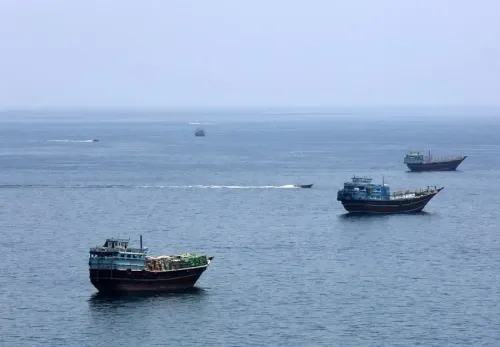
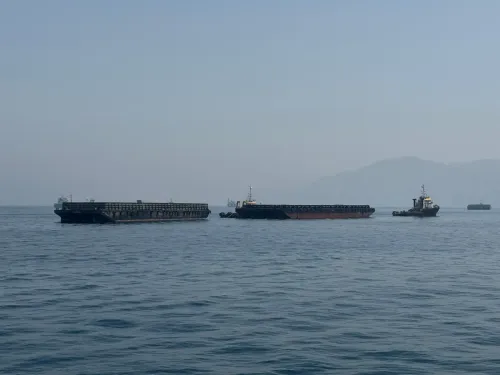
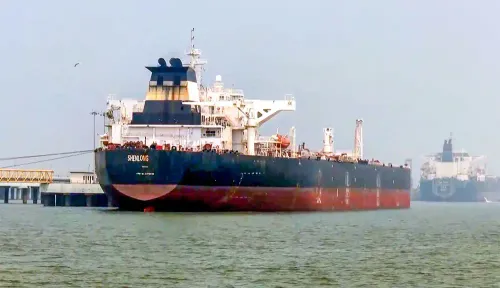
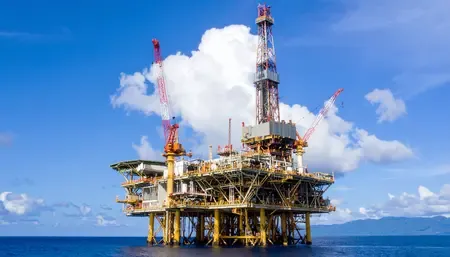
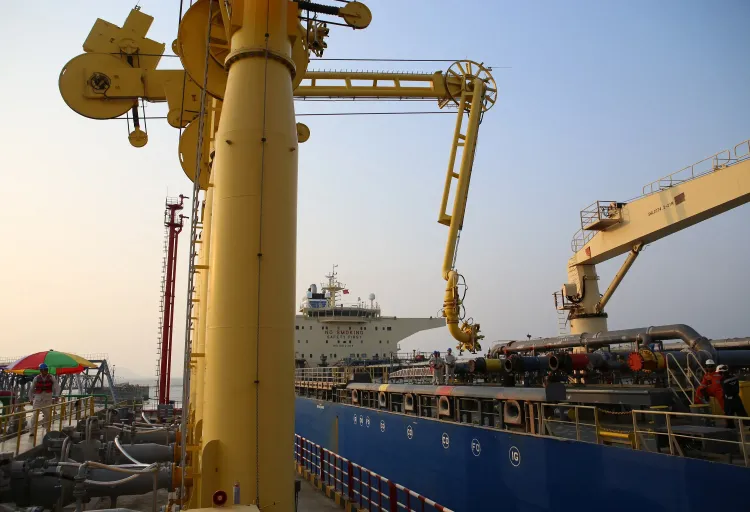
New Delhi, April 5 (NationPress) As the conflict in West Asia shows no signs of resolution, Gulf countries are ramping up their initiatives to lessen their dependence on the Strait of Hormuz, a crucial maritime route through which approximately 20 million barrels of oil transit each day, according to recent reports.
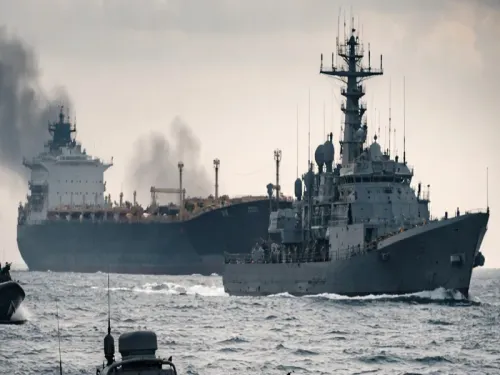
The increasing geopolitical tensions and recent assaults on maritime shipping have accelerated the exploration of long-considered alternatives such as pipelines and overland corridors.
A report from the Financial Times reveals that nations like Saudi Arabia and the United Arab Emirates are already utilizing current infrastructure to partially circumvent the strait.
Saudi Arabia’s East-West pipeline, known as Petroline, has come to the forefront as a vital resource amid the ongoing crisis.
This pipeline stretches about 1,200 kilometers from the eastern oil fields of the kingdom to the Red Sea port of Yanbu, boasting a capacity of around 7 million barrels per day and playing a pivotal role in sustaining export activities.
The UAE is similarly leveraging its Abu Dhabi Crude Oil Pipeline, which connects the onshore Habshan fields to the port of Fujairah on the Gulf of Oman.
With a capacity of up to 1.8 million barrels per day, this pipeline facilitates exports that bypass the Strait of Hormuz, although current usage levels are below its full capacity.
Experts have pointed out that while these pipelines serve as important alternatives, they can only partially mitigate major disruptions to Gulf oil shipments.
In light of this, both nations are investigating expansion strategies to boost their export flexibility.
Reports suggest that Saudi Arabia is contemplating increasing the capacity of its East-West pipeline or constructing additional routes, as well as developing new export terminals along its Red Sea coastline, including projects at the ambitious Neom.
Meanwhile, the UAE is assessing the viability of establishing a second pipeline to Fujairah to further enhance its bypass capabilities.
These developments are viewed as relatively swift to implement compared to more intricate cross-border infrastructure projects.
In addition to national expansions, Gulf states are also exploring more extensive regional pipeline networks aimed at bolstering long-term resilience.
Experts believe that an interconnected network of corridors across the region could offer enhanced security compared to isolated routes.
According to industry observers, the current crisis has catalyzed discussions around such initiatives, as highlighted in the report.
Point of View
The Gulf states are strategically navigating the challenges posed by the ongoing West Asia conflict. Their proactive measures to develop alternative oil transit routes not only reflect a commitment to national interests but also underscore the importance of energy security in a volatile geopolitical landscape.
NationPress
24 Oct 2026
Frequently Asked Questions
Why are Gulf states reducing reliance on the Strait of Hormuz?
Gulf states are reducing reliance on the Strait of Hormuz due to ongoing conflict in West Asia and increasing geopolitical risks that threaten maritime shipping security.
What alternatives are Gulf nations exploring?
Gulf nations are exploring alternatives such as pipelines and overland corridors to bypass the Strait of Hormuz.
How does the East-West pipeline support Saudi Arabia's oil exports?
The East-West pipeline, stretching 1,200 kilometers, supports Saudi Arabia's oil exports by allowing transportation directly to the Red Sea, bypassing the Strait of Hormuz.
What is the capacity of the Abu Dhabi Crude Oil Pipeline?
The Abu Dhabi Crude Oil Pipeline has a capacity of up to 1.8 million barrels per day.
Are Gulf states considering new pipeline projects?
Yes, Gulf states are considering expansion projects, including new pipelines and terminals, to enhance their export capabilities.