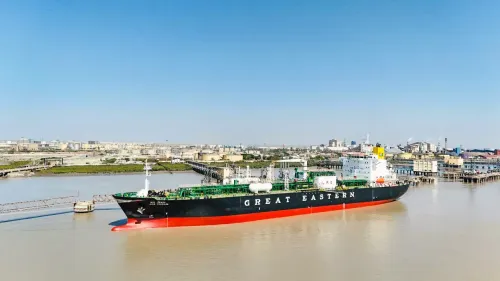
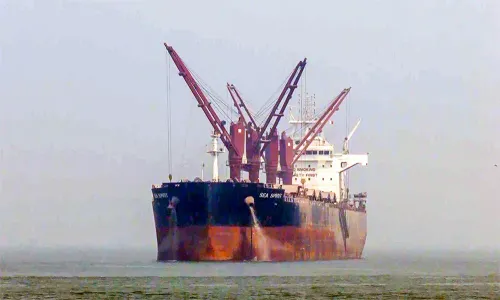
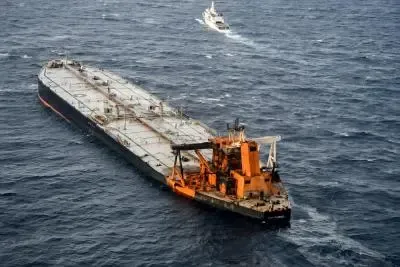
Gulf war-risk insurance premiums surge 200-1,000% amid West Asia tensions
Synopsis
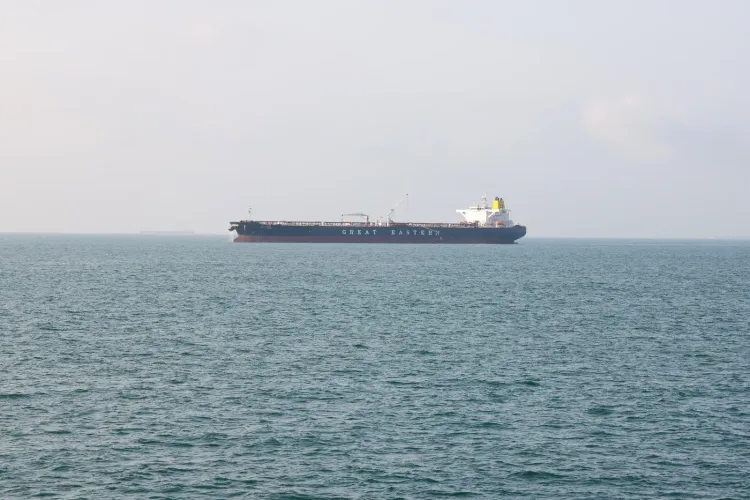
War-risk insurance premiums on Gulf shipping routes have exploded — rising as much as 1,000 per cent in the riskiest cases — and the bill is heading straight for Indian refiners. With West Asia tensions showing no sign of easing, insurers are tightening underwriting norms and cutting capacity, a combination that could structurally raise the landed cost of crude for one of the world's largest oil importers.
Key Takeaways
War-risk premiums on Gulf shipping routes have risen 200–300 per cent in recent months, and by more than 1,000 per cent in extreme cases, per Equirus Raghnall Insurance Broking .
Premiums for the riskiest voyages have reportedly climbed from 0.2–0.5 per cent of vessel value to 3–5 per cent .
Higher war-risk cover, hull exposure, and security costs will collectively raise India's crude oil import costs , according to Amit Goel , Director, Equirus Raghnall.
The impact could extend to Russian crude shipments to India if global marine insurance capacity tightens.
India's marine insurance market is estimated at ₹5,500 crore–₹5,800 crore .
Marine insurance pricing is expected to remain firm in the near term unless regional tensions ease significantly.
War-risk insurance premiums on Gulf shipping routes have surged by 200–300 per cent in recent months — and by more than 1,000 per cent in the riskiest cases — as escalating geopolitical tensions across West Asia force insurers to reprice maritime exposure, according to an analysis by Equirus Raghnall Insurance Broking released on 23 July. The spike threatens to raise India's crude oil import costs if disruptions persist.
How Far Premiums Have Climbed
Premiums for the most exposed voyages have reportedly risen from a range of 0.2–0.5 per cent of a vessel's insured value to as high as 3–5 per cent, according to the report. That represents a multi-fold increase in a cost that shipping operators typically treat as a pass-through to cargo buyers.
The jump is not confined to headline war-risk cover. Hull and machinery exposure and vessel security costs have also risen, compounding the overall freight burden on routes transiting or originating in the region.
What the Industry Says
Amit Goel, Director at Equirus Raghnall Insurance Broking, said the combined pressure of higher war-risk premiums, hull exposure, and security costs will push up the landed cost of crude imports into India. 'The increase in war-risk premiums, together with higher hull and machinery exposure and related security costs, will raise the landed cost of crude imports into India,' Goel said.
He added that even without a formal closure of key shipping lanes, insurers and reinsurers are likely to reassess risk models, resulting in tighter underwriting norms and, in some cases, reduced insurance capacity for Gulf-linked voyages.
Wider Impact on Indian Energy Imports
The report warns that the fallout may extend beyond Middle Eastern crude shipments. Prolonged disruption could tighten global marine insurance capacity, pushing up costs for Russian crude shipments to India as well — particularly if tanker availability declines or vessels are compelled to operate in elevated-risk environments.
Insurance is only one component of overall logistics expenses, the report noted, but sustained increases in war-risk pricing could materially raise the landed cost of crude oil, given that West Asia remains a primary sourcing corridor for Indian refiners.
India's Marine Insurance Market at Stake
According to Goel, India's marine insurance market is currently estimated at ₹5,500 crore–₹5,800 crore. He expects marine insurance pricing to remain firm in the near term as geopolitical developments continue to drive war-risk premiums higher, though a sustained easing of regional tensions could eventually moderate pricing pressure.
This comes amid a broader pattern of maritime risk repricing that has accelerated since late 2023, when attacks on commercial vessels in the Red Sea and surrounding waters prompted Lloyd's of London and other major underwriters to expand their listed areas — the zones where war-risk cover is mandatory and separately priced. The Gulf of Aden and parts of the Arabian Sea have seen the sharpest recalibrations.
What Happens Next
With no near-term resolution to the underlying geopolitical tensions in sight, shipping operators and Indian refiners face a sustained period of elevated voyage costs. Industry observers expect further tightening of underwriting norms if incidents at sea continue, which could reduce the pool of vessels willing to operate on high-risk routes and further squeeze capacity.
Point of View
000 per cent premium spike is not a rounding error — it is a market signal that underwriters have fundamentally repriced Gulf risk, and Indian refiners will absorb the difference. What mainstream coverage underplays is the second-order effect: as war-risk capacity shrinks, fewer vessels will accept Gulf assignments, reducing tanker supply and pushing freight rates higher independent of insurance costs. India, which imports roughly 85 per cent of its crude, has limited short-term optionality. The ₹5,500–₹5,800 crore domestic marine insurance market is also too thin to absorb a sustained capacity withdrawal by global reinsurers — making this as much a structural vulnerability as a cyclical pricing event.
NationPress
21 Oct 2026
Frequently Asked Questions
Why have war-risk insurance premiums on Gulf shipping routes risen so sharply?
Escalating geopolitical tensions across West Asia have prompted insurers and reinsurers to reassess maritime risk, leading to premium increases of 200–300 per cent on most Gulf routes and more than 1,000 per cent in the highest-risk cases, according to analysis by Equirus Raghnall Insurance Broking. Even without formal closure of shipping lanes, underwriters are tightening norms and reducing capacity.
How will the premium surge affect India's crude oil imports?
Higher war-risk premiums, combined with increased hull and machinery exposure and vessel security costs, will raise the landed cost of crude oil imports into India, particularly for cargoes originating from or transiting through West Asia. If disruptions persist, the cumulative logistics cost increase could be material for Indian refiners.
Could Russian crude shipments to India also be affected?
Yes. The report warns that prolonged disruption could tighten global marine insurance capacity, pushing up costs for Russian crude shipments to India as well, especially if tanker availability declines or vessels are forced to operate in higher-risk environments.
How large is India's marine insurance market?
India's marine insurance market is estimated at ₹5,500 crore–₹5,800 crore, according to Amit Goel, Director at Equirus Raghnall Insurance Broking. He expects pricing to remain firm in the near term given ongoing geopolitical pressures.
What would bring war-risk premiums back down?
A sustained easing of regional tensions in West Asia could help moderate war-risk pricing over time, according to the Equirus Raghnall report. However, with no near-term resolution in sight, premiums and tighter underwriting norms are expected to persist.