IESA urges BRICS cooperation on energy storage and mineral security
Synopsis
India's clean industrial investment pipeline has hit $433 billion and its energy storage project pipeline now exceeds 100 GW — yet IESA is warning that without BRICS-level cooperation on minerals and advanced storage technologies, these targets risk supply-chain fragility. The call at a Ministry of Power virtual event signals India is moving from bilateral energy deals toward a multilateral storage framework.
Key Takeaways
IESA presented unified recommendations to the Central government urging BRICS nations to cooperate on energy storage and mineral security on 18 August .
India's clean industrial investment pipeline has reached an estimated $433 billion , spanning 65 projects across 11 states .
The pipeline has grown 30 per cent in six months, driven by green hydrogen and renewable-energy manufacturing.
India's energy storage project pipeline exceeds 100 GW , with around 10 GW commissioned.
IESA called for expanded PLI support for recycling and advanced chemistries, and harmonised measurement protocols across BRICS nations.
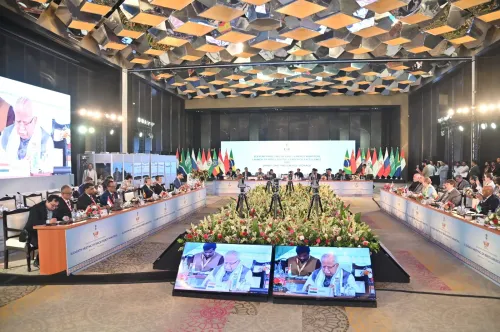
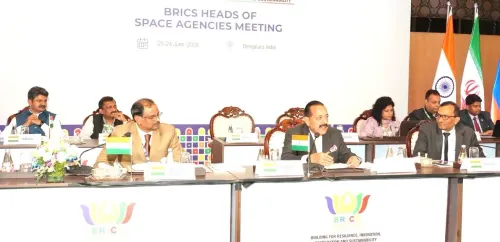
The India Energy Storage Alliance (IESA) on Tuesday, 18 August called on BRICS nations to deepen collaboration on advanced energy storage technologies and critical mineral security, presenting unified recommendations to the Central government during a virtual event organised by the Ministry of Power. Officials from Brazil, Russia, and the United Arab Emirates were among the participants.
What IESA Is Asking For
The industry body's recommendations centred on accelerating India's clean energy transition through international cooperation on storage technologies, building resilient domestic supply chains, and securing timely access to critical minerals. According to IESA, these steps are essential for meeting India's ambitious renewable energy targets.
IESA also called for mutual recognition of test reports, harmonised measurement protocols, and coordinated pilot projects to unlock distributed storage potential across BRICS member nations.
India's Clean Industrial Investment Surge
India's clean industrial investment pipeline has reached an estimated $433 billion, placing the country among the world's top three centres for clean industrial development, according to the statement. The pipeline spans 65 projects across 11 states and has grown 30 per cent in six months, driven by surging investment in green hydrogen, renewable-energy-based manufacturing, and energy security-focused industrial policies.
The country's energy storage project pipeline has now exceeded 100 GW, with around 10 GW already commissioned. Green ammonia leads the sector with the largest share of new projects, while sustainable aviation fuel, green methanol, and low-carbon aluminium are also gaining momentum.
Why BRICS Collaboration Matters
Debmalya Sen, President of IESA, said: 'Energy storage is now essential for both grid flexibility and resilience as renewable integration rises. No single technology can meet all system needs; diverse solutions and strong BRICS collaboration across value chains, manufacturing, and innovation are critical.'
Experts from India's The Energy and Resources Institute (TERI) and Brazil's Electric Sector Studies Group (GESEL/UFRJ) underscored the transformative potential of long-duration energy storage. Leaders from the UAE and Russia highlighted the urgency for supportive regulation and standardised techno-economic assessment frameworks.
Policy Asks and Next Steps
Experts at the event stressed the need to expand Production-Linked Incentive (PLI) support to recycling and advanced battery chemistries, along with dedicated allocations for stationary storage. These measures, if adopted, could significantly strengthen India's domestic manufacturing base and reduce dependence on imported minerals critical to the clean energy supply chain.
As India's renewable integration deepens, IESA's push for BRICS-level coordination signals a broader strategic intent — to move beyond bilateral deals toward a multilateral framework for energy storage that could define the next decade of clean industrial growth.
Point of View
But IESA's appeal to BRICS reveals a structural anxiety: the country's renewable ambitions are outpacing its mineral and storage supply chains. The call for harmonised protocols and mutual test-report recognition is pragmatic, but BRICS is not a cohesive trade bloc — getting Brazil, Russia, and the UAE to align on techno-economic standards is a diplomatic lift that the Ministry of Power alone cannot deliver. The more telling signal is the 30 per cent pipeline growth in six months: India is moving fast, and the supply-chain question is becoming urgent, not hypothetical.
NationPress
2 Oct 2026
Frequently Asked Questions
What did IESA recommend to the Indian government regarding BRICS?
IESA urged the Central government to push for BRICS-level cooperation on advanced energy storage technologies and critical mineral security. The recommendations also included mutual recognition of test reports, harmonised measurement protocols, and coordinated pilot projects across member nations.
How large is India's clean industrial investment pipeline?
India's clean industrial investment pipeline has reached an estimated $433 billion, spanning 65 projects across 11 states. The pipeline grew 30 per cent in six months, driven by green hydrogen, renewable-energy-based manufacturing, and energy security policies.
What is the current status of India's energy storage project pipeline?
India's energy storage project pipeline has exceeded 100 GW, with around 10 GW already commissioned. Green ammonia leads new project additions, while sustainable aviation fuel, green methanol, and low-carbon aluminium are also growing.
Which countries participated in the Ministry of Power virtual event?
Officials from Brazil, Russia, and the United Arab Emirates participated alongside Indian stakeholders. Experts from India's TERI and Brazil's GESEL/UFRJ also contributed, focusing on long-duration energy storage potential.
Why is BRICS cooperation important for India's energy storage goals?
No single technology can address all grid storage needs, and critical minerals required for batteries are concentrated in a few countries. BRICS collaboration could help India diversify its mineral supply chains, standardise testing protocols, and co-develop storage solutions at scale.