India targets 30 million tonnes fish output, inland fisheries plan launched in Bhopal
Synopsis
India has officially moved into the development phase of a national action plan for inland small-scale fisheries, targeting a leap from 19.7 million to 30 million tonnes in fish production within five years and nearly doubling seafood export earnings to ₹1.25 lakh crore. With three-fourths of current output already coming from inland sources, the plan's success hinges on livelihood security, climate resilience, and grassroots outreach — not just headline numbers.
Key Takeaways
India entered the development phase of a national action plan for inland small-scale fisheries at a workshop in Bhopal on 23 October 2026 .
The target is 30 million tonnes in total fish production over the next five years , up from the current 19.7 million tonnes .
Seafood exports are projected to reach ₹1.25 lakh crore , up from the current ₹70,000 crore .
Inland fisheries already contribute approximately three-fourths of India's annual fish output.
The plan is being developed under the UN FAO framework in collaboration with BOBP-IGO .
Climate resilience, water quality, and fisher livelihood security are identified as key priorities in the plan.
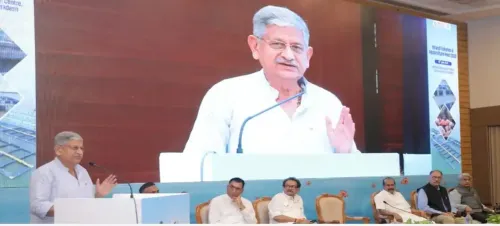
India has entered the development phase of a national action plan for inland small-scale fisheries, with a formal launch held in Bhopal on Friday, 23 October 2026, targeting a jump in total fish production to 30 million tonnes over the next five years. The plan, developed under the UN Food and Agriculture Organisation (FAO) framework, covers fisheries across rivers, canals, reservoirs, lakes, floodplain wetlands, tanks, and cold-water systems.
Production and Export Targets
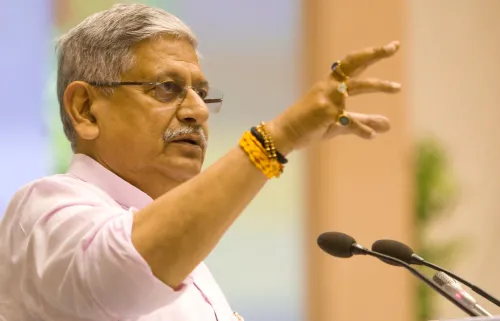
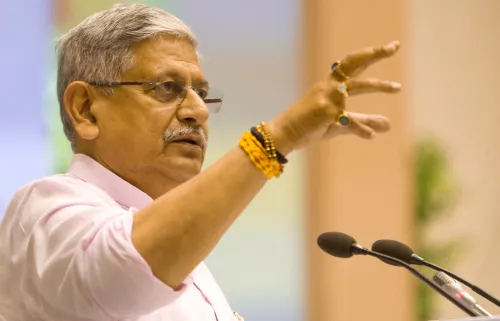
Union Department of Fisheries Secretary Abhilaksh Likhi said at the launch: 'India has set a target of 30 million tonnes in fish production over the next five years, while seafood exports are expected to rise to ₹1.25 lakh crore.' He noted that the country currently produces 19.7 million tonnes of fish annually, with inland fisheries contributing approximately three-fourths of that output. Seafood exports have already crossed ₹70,000 crore.
What the Action Plan Covers
The national action plan is being developed jointly by the Union Department of Fisheries and the Bay of Bengal Programme Inter-Governmental Organisation (BOBP-IGO). A two-day national workshop held in the Madhya Pradesh capital identified key priorities, including a proposed programme of consultations with fishing communities and other stakeholders. Experts from fisheries institutions drafted a framework for activities to be undertaken in the development phase.
Likhi called for a 'mission-mode outreach programme' to carry the action plan to fishing communities nationwide. 'The document must translate into practical improvements in livelihoods rather than remain confined to government offices,' he said, stressing that sustainability must be at the plan's core and that value chains must be strengthened to improve fishers' income.
Climate and Sustainability Concerns
The Fisheries Secretary flagged climate change and deteriorating water quality as major threats to inland fisheries, citing challenges such as declining oxygen levels in water bodies. He said the plan must incorporate measures to build climate resilience, drawing on the lived experience of fishing communities who directly confront these challenges. Production and export growth, he emphasised, must go hand in hand with securing the livelihoods of small-scale fishers.
India as a Global Model
Likhi noted that India's diverse inland fisheries ecosystem — spanning varied habitats, communities, and region-specific challenges — could serve as a model for the FAO to pilot region-specific approaches and scale learnings to other geographies. Madhya Pradesh Fisheries Secretary Swantantra Kumar Singh, Joint Secretary Gunjan Krishna, and FAO Project Officer Giulia Gorelli also addressed the gathering.
The development of the action plan marks an important step in aligning India's inland fisheries governance with global sustainability standards, with the next phase likely to involve wide stakeholder consultations across fishing communities in multiple states.
Point of View
But the risk is familiar: a well-drafted document that stalls at state implementation. The Fisheries Secretary's explicit warning that the plan must not 'remain confined to government offices' signals awareness of that trap, but awareness is not a mechanism. The real test will be whether the promised mission-mode outreach translates into binding consultations with fishing communities, not just workshops in state capitals.
NationPress
23 Oct 2026
Frequently Asked Questions
What is India's national action plan for inland small-scale fisheries?
It is a policy framework being developed under the UN FAO structure, led by the Union Department of Fisheries in collaboration with BOBP-IGO, aimed at improving livelihoods, freshwater resource management, and sustainability across India's inland fisheries sector. The development phase was formally launched at a two-day national workshop in Bhopal on 23 October 2026.
What is India's fish production target under the new plan?
India has set a target of 30 million tonnes in total fish production over the next five years, up from the current annual output of 19.7 million tonnes. Seafood exports are also expected to nearly double to ₹1.25 lakh crore from the current ₹70,000 crore.
Why does inland fisheries matter so much to India's overall fish output?
Inland fisheries — covering rivers, canals, reservoirs, lakes, wetlands, tanks, and cold-water systems — already contribute approximately three-fourths of India's 19.7 million tonne annual fish production. That makes it the dominant segment of the sector, even though marine fisheries tend to receive more policy visibility.
What role does climate change play in the action plan?
Fisheries Secretary Abhilaksh Likhi flagged climate change and declining water quality — including falling oxygen levels in water bodies — as major threats to inland fisheries. The action plan is expected to incorporate specific climate resilience measures, drawing on the experience of fishing communities who face these challenges directly.
Who are the key organisations involved in developing the plan?
The plan is being developed by the Union Department of Fisheries in collaboration with the Bay of Bengal Programme Inter-Governmental Organisation (BOBP-IGO) under the UN Food and Agriculture Organisation (FAO) framework. State governments, fisheries institutions, and fishing communities are also expected to be consulted during the development phase.