India-Japan skilled workforce mobility talks: Action Plan for youth employment advanced
Synopsis
India and Japan are building a structured pipeline to send skilled Indian youth to work in Japan — covering language training, domain skills, and employer matching. With Japan's labour shortage deepening and India's youth bulge peaking, this consultation signals a serious push to move beyond intent and into execution.
Key Takeaways
The Ministry of Skill Development and Entrepreneurship (MSDE) convened an India-Japan stakeholder consultation in New Delhi on 14 August .
The meeting aimed to advance the Action Plan for India-Japan Human Resource Exchange and Cooperation and expand employment pathways for Indian youth in Japan.
Key focus areas included Japanese language training , industry-relevant skills, recognised assessments, and pre-departure preparation.
MoS Jayant Chaudhary emphasised equipping candidates with technical skills, language ability, and workplace understanding — not just creating overseas pathways.
Ambassador Ono Keiichi cited complementary strengths: Japan's demand for skilled workers aligning with India's large youth talent pool.
MSDE Secretary Debashree Mukherjee stressed the need for end-to-end alignment across ministries, states, training institutions, and employers.
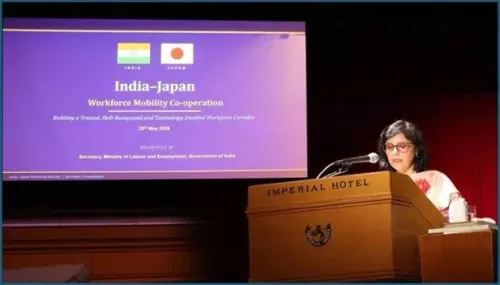
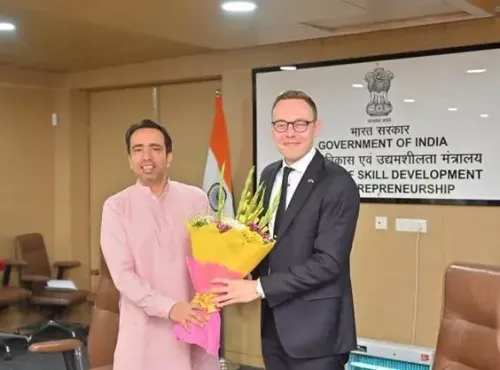
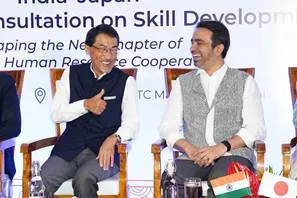
The Ministry of Skill Development and Entrepreneurship (MSDE) on Friday, 14 August convened a high-level India-Japan stakeholder consultation in New Delhi to advance the Action Plan for India-Japan Human Resource Exchange and Cooperation and open structured employment pathways for Indian youth in Japan. The meeting brought together officials, industry representatives, and training partners from both countries to translate bilateral intent into concrete workforce mobility outcomes.
What the Consultation Covered
Discussions centred on industry-relevant training, Japanese language and cultural preparation, recognised assessment frameworks, stronger employer engagement, and closer institutional coordination between the two nations. An audio-visual presentation showcased the experiences of Indian candidates already trained and employed in Japan, illustrating the tangible results of existing cooperation frameworks.
What the Government Said
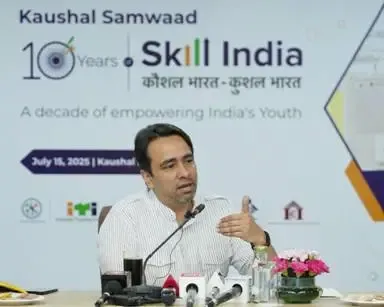
Jayant Chaudhary, Minister of State for Skill Development and Entrepreneurship, stressed that the focus must extend beyond creating overseas employment pathways. 'India's young people must be enabled to access global opportunities with the right skills, confidence and preparation. The focus must not be only on creating overseas employment pathways but ensuring that every candidate is equipped with relevant technical skills, language ability and workplace understanding,' he said. Chaudhary added that the partnership with Japan offers an opportunity to build structured pathways with strong industry participation, and that the discussions would help translate intent into clear action for expanding opportunities for Indian youth.
Japan's Position and Complementary Strengths
H.E. Mr. Ono Keiichi, Ambassador of Japan to India, described the bilateral relationship as one built on complementary strengths. 'Japan and India possess complementary strengths, with Japan's growing demand for skilled human resources aligning with India's large pool of young talent,' he said. He welcomed MSDE's efforts to bring together government, industry and training institutions for practical cooperation that strengthens economic and people-to-people ties between the two countries.
Aligning the Ecosystem
Debashree Mukherjee, Secretary, MSDE, highlighted the need for alignment across the full pipeline — from candidate mobilisation and domain skills to language training, assessment systems, pre-departure preparation, and employer demand. She noted that the consultation helped clarify responsibilities across ministries, states, training institutions, sending organisations, and industry. The event drew participants from the Ministry of External Affairs, state governments, sending organisations, Japanese government and industry representatives, recruitment agents, and training partners.
Why This Matters
Japan's ageing population and shrinking domestic labour force have made it one of the most active destinations for structured skilled migration from Asia. India, with one of the world's largest youth populations, stands to benefit significantly if training and certification pipelines are made robust. This consultation is part of a broader bilateral framework that has gained momentum in recent years, and officials indicated that the discussions would feed into actionable timelines for expanding the programme's reach.
Point of View
The UAE, and now Japan in sharper focus — but the gap between framework and outcome has consistently been wide. The real test here is whether MSDE can standardise Japanese language certification, align domain assessments with actual employer requirements in Japan, and hold sending organisations accountable for candidate quality. Japan's Specified Skilled Worker visa programme has strict sector and language benchmarks; Indian candidates who arrive underprepared risk reputational damage that could close the very doors this consultation is trying to open.
NationPress
29 Sept 2026
Frequently Asked Questions
What is the India-Japan Action Plan for Human Resource Exchange?
It is a bilateral framework between India and Japan aimed at facilitating structured skilled workforce mobility, covering training, language preparation, assessments, and employer engagement. The plan seeks to match India's large youth talent pool with Japan's growing demand for skilled workers.
Who participated in the 14 August consultation in New Delhi?
The consultation brought together officials from the Ministry of Skill Development and Entrepreneurship, the Ministry of External Affairs, state governments, sending organisations, Japanese government and industry representatives, recruitment agents, and training partners.
What skills and preparations are being prioritised for Indian candidates going to Japan?
The focus is on industry-relevant technical skills, Japanese language and cultural preparation, recognised assessments, and pre-departure orientation. Officials stressed that candidates must be equipped across all these dimensions, not just placed in overseas roles.
Why is Japan a key destination for Indian skilled workers?
Japan faces a shrinking domestic labour force due to an ageing population, creating sustained demand for skilled workers in sectors such as manufacturing, healthcare, and construction. India's large and young workforce makes it a natural partner for filling this gap under structured bilateral arrangements.
What are the next steps following this consultation?
Officials indicated that the discussions would feed into actionable timelines and clearer responsibility frameworks across ministries, states, training institutions, and industry. No specific deadlines were announced publicly, but the consultation was described as a step toward translating intent into concrete action.