India tops ChatGPT Images 2.0 user base within a week of launch
Synopsis
India became ChatGPT Images 2.0's biggest user base within a week of launch — but the real story is what Indians are doing with it. From tarot portraits to Y2K edits and cinematic headshots, Indian users are building an entirely new visual language on the platform, signalling a cultural shift in how the country engages with generative AI.
Key Takeaways
India became ChatGPT Images 2.0 's largest user base within one week of the platform's launch by OpenAI .
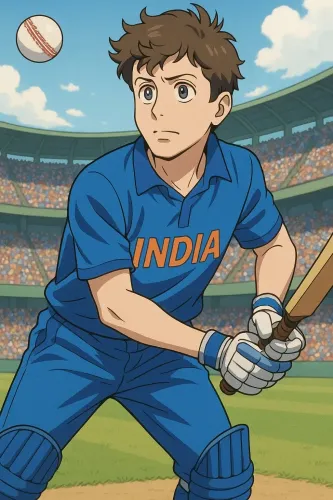
Indian users are using the tool for creative self-expression — including anime portraits, tarot visuals, cinematic headshots, and Y2K-inspired edits.
ChatGPT Images 2.0 supports multilingual text rendering , reasoning-based prompt interpretation, and real-time web context integration.
Country-specific trends — including Bollywood-style portrait collages and paparazzi flash aesthetics — are shaping a distinctly Indian visual culture on the platform.
The surge reflects a broader shift: AI image tools in India are moving beyond professional use into creator culture, fandoms, and social media identity .
Just one week after OpenAI rolled out ChatGPT Images 2.0, India has emerged as the platform's largest user base globally, according to information shared on Thursday, 30 April 2025. What makes the milestone notable is not just the scale, but how Indian users are fundamentally reimagining the purpose of AI image generation — transforming it from a productivity utility into a medium for creativity, identity, and digital storytelling.
How Indian Users Are Redefining AI Image Generation
Unlike conventional expectations of AI tools as professional productivity enhancers, users across India are embracing ChatGPT Images 2.0 as a canvas for self-expression. From anime-style portraits and cinematic headshots to fantasy newspaper covers and tarot-inspired visuals, the tool is rapidly embedding itself in online culture — particularly among younger audiences experimenting with personal aesthetics and digital branding.
Everyday photographs are being reimagined with dramatic lighting, while older or low-quality images are being enhanced and restored with striking clarity. More experimental formats are also gaining traction, including fictional newspaper front pages featuring the user, mystical tarot card portraits, and futuristic architectural visualisations through so-called blueprint-style prompts.
What ChatGPT Images 2.0 Brings to the Table
The technological upgrades underpinning the surge are significant. The new model can generate highly detailed visuals from minimal prompts and render accurate text — including multilingual inputs — while handling complex creative instructions. It also incorporates reasoning capabilities, enabling it to interpret prompts more intelligently, produce multiple variations, and draw on real-time web context to refine outputs.
This combination of accessibility and sophistication appears to have resonated strongly with India's large, digitally active population, which spans a wide range of languages, aesthetics, and creative subcultures.
Distinctly Indian Visual Trends Emerging on the Platform
Country-specific trends are already shaping a uniquely Indian visual language within the platform. Popular use cases include polished LinkedIn-style headshots, paparazzi-inspired flash images, dreamy pastel spring aesthetics, and fashion-forward style-me transformations. Cinematic portrait collages and Y2K-inspired romantic edits are among the formats gaining particular traction, reflecting the influence of Bollywood aesthetics, fandom culture, and social media identity on how Indian users engage with generative AI.
A Broader Shift in How India Engages With AI
The rapid adoption signals a broader evolution in the role of AI tools in Indian daily life. AI image generation in India is no longer confined to professional or technical use cases — it is blending seamlessly with creator culture, fandoms, fashion, and social media identity. This comes amid a wider global conversation about the democratisation of generative AI, with India increasingly positioned as a key driver of consumer-facing AI adoption. How platforms like OpenAI respond to India's distinct creative demands — including stronger multilingual support and culturally attuned moderation — could shape the next phase of the platform's growth.
Point of View
Yet rarely shapes the product roadmap. The more important question is whether OpenAI will now invest in features Indian users actually need — deeper Indic language support, culturally sensitive moderation, and low-bandwidth optimisation for tier-2 and tier-3 cities. The creative use cases emerging from India are genuinely novel, but without platform-level investment, they risk remaining a footnote in a product built primarily for Western audiences.
NationPress
19 Sept 2026
Frequently Asked Questions
What is ChatGPT Images 2.0 and why is India its largest user base?
ChatGPT Images 2.0 is OpenAI's upgraded AI image generation model capable of producing detailed visuals from minimal prompts, rendering multilingual text, and interpreting complex creative instructions. India became its largest user base within one week of launch, driven by widespread adoption among younger, digitally active users drawn to its creative applications.
Why are Indian users particularly drawn to ChatGPT Images 2.0?
Indian users are using the tool for creative self-expression rather than purely professional tasks — generating anime portraits, tarot visuals, cinematic headshots, and Y2K-inspired edits. The platform's multilingual text support and accessibility appear to have resonated strongly with India's diverse, social-media-active population.
What are the most popular ChatGPT image trends in India?
Popular trends include LinkedIn-style polished headshots, paparazzi-inspired flash images, pastel spring aesthetics, tarot card portraits, fictional newspaper front pages, and Y2K romantic edits. Cinematic portrait collages influenced by Bollywood aesthetics are also gaining significant traction.
What new features does ChatGPT Images 2.0 offer?
ChatGPT Images 2.0 can generate highly detailed visuals from minimal prompts, render accurate multilingual text, handle complex creative instructions, and use reasoning capabilities to interpret prompts intelligently. It can also draw on real-time web context to refine image outputs.
What does India's adoption of ChatGPT Images 2.0 signal about AI trends?
It signals a broader shift in how AI tools are being integrated into Indian daily life — moving beyond professional use cases into creator culture, fandoms, fashion, and social media identity. India is increasingly emerging as a key driver of consumer-facing generative AI adoption globally.