India, Liechtenstein explore trade ties under EFTA framework amid royal visit
Synopsis
Liechtenstein's Hereditary Prince Alois is on his second visit to India in 2026 alone — a signal that this small European principality is fast becoming an outsized diplomatic priority. With the India–EFTA TEPA framework promising $100 billion in investment and 1 million jobs over 15 years, Tuesday's ministerial meeting is less a courtesy call and more a push to convert political momentum into real deal flow.
Key Takeaways
Minister of State Jitin Prasada met Liechtenstein Deputy PM Sabine Monauni in New Delhi on 27 October 2026 to explore deepening bilateral trade and investment ties.
Discussions covered technology, innovation, financial services , and manufacturing .
India's GDP grew 7.8% in Q1 2026-27 , a figure Prasada highlighted to attract Liechtenstein investors.
The meeting was held on the sidelines of Hereditary Prince Alois's visit to India ( 25–28 October ) — his second visit in 2026 .
The India–EFTA TEPA underpins the relationship, committing to $100 billion in investment and 1 million direct jobs over 15 years .
The India–EFTA Prosperity Summit 2026 , held in New Delhi earlier in October, added fresh momentum to the partnership.
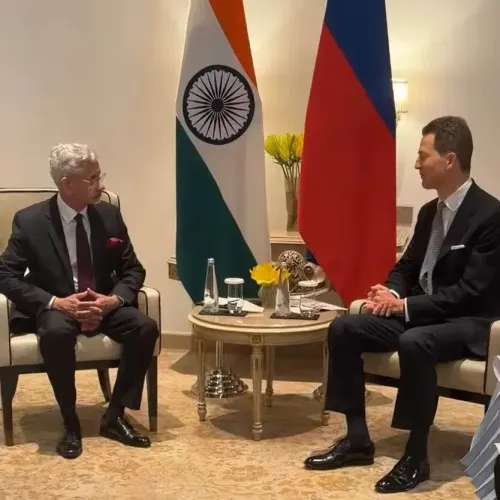
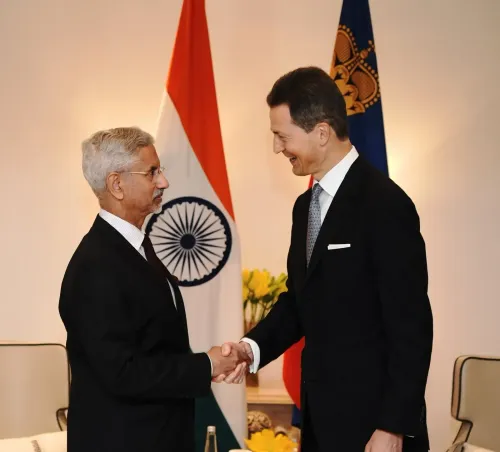
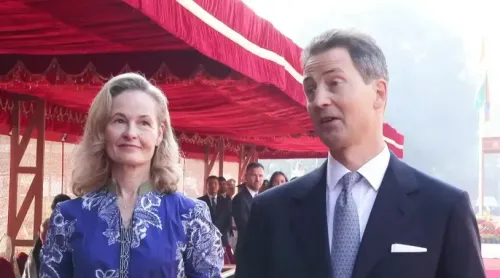
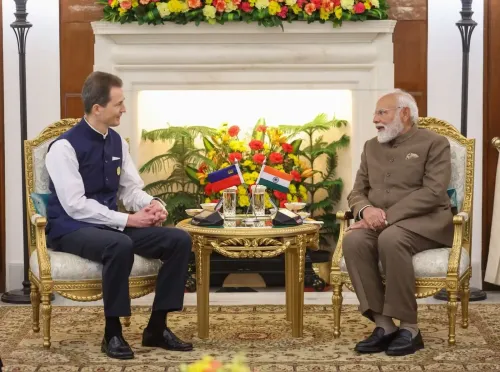
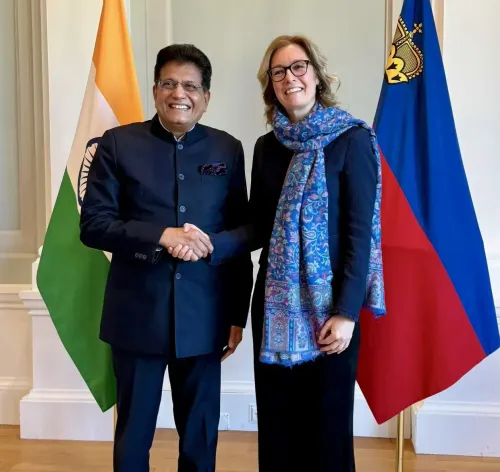
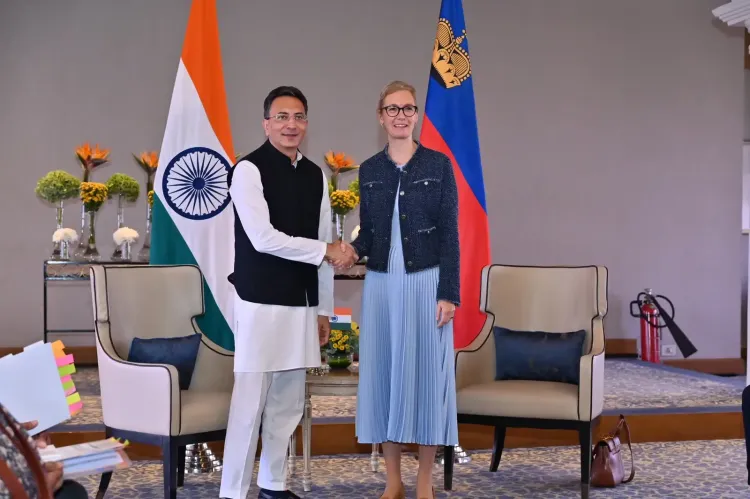
Minister of State for Commerce and Industry Jitin Prasada on Tuesday, 27 October 2026, met Sabine Monauni, Deputy Prime Minister and Minister of Foreign Affairs, Environment and Culture of the Principality of Liechtenstein, as the two countries explored avenues to deepen bilateral trade and investment cooperation. The meeting took place in New Delhi on the sidelines of a high-level state visit by Hereditary Prince Alois of Liechtenstein to India.
Key Areas of Discussion
The two sides held discussions on expanding cooperation across technology, innovation, financial services, and manufacturing, according to an official statement from the Ministry of Commerce and Industry. Prasada highlighted India's GDP growth of 7.8% in the first quarter of 2026-27, attributing the momentum to robust domestic demand and gains in manufacturing and services.
The minister underscored India's emergence as a stable, competitive, and scalable base for global businesses seeking long-term growth, and invited the Liechtenstein business community to leverage India's expanding market, skilled workforce, and supportive policy environment.
The Royal Visit and Its Significance
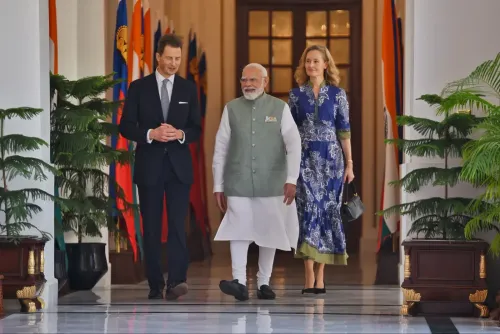
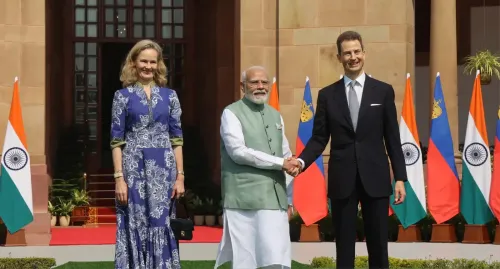
The meetings took place on the sidelines of Hereditary Prince Alois's visit to India from 25 to 28 October — notably his second visit in 2026, following his participation in the AI Impact Summit in New Delhi in February 2026. The back-to-back high-level engagements signal a deliberate push by both sides to elevate the bilateral relationship beyond its traditionally modest footprint.
The India–EFTA Framework
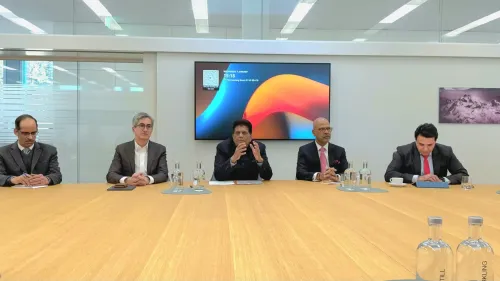
Liechtenstein is an integral member of the European Free Trade Association (EFTA), and bilateral ties are anchored by the India–EFTA Trade and Economic Partnership Agreement (TEPA). The agreement commits to $100 billion in investment and 1 million direct jobs over 15 years, providing a structured framework for deeper economic engagement. The India–EFTA Prosperity Summit 2026, held in New Delhi earlier this month, added further momentum to the relationship.
What This Means for Indian Business
Prasada specifically encouraged Liechtenstein-based firms — many of which operate in precision engineering, financial services, and advanced manufacturing — to expand their presence in India. Liechtenstein, despite its small geographic size, punches well above its weight in global business, hosting a disproportionately large number of multinational companies. Indian policymakers appear keen to channel that corporate depth into direct investment.
What Comes Next
With the TEPA framework already in place and two high-profile Liechtenstein visits to India completed in 2026 alone, both sides are expected to follow up with sectoral working-group meetings to translate political goodwill into binding investment commitments. Industry groups on both sides will be watching whether the momentum from the Prosperity Summit translates into measurable deal flow.
Point of View
But it hosts a remarkable density of precision-engineering and financial-services multinationals — exactly the kind of capital India needs for its manufacturing upgrade. The back-to-back visits by Hereditary Prince Alois in a single year suggest both sides are trying to move from symbolism to substance. The real question is whether the India–EFTA TEPA's $100 billion investment pledge — spread over 15 years — will be front-loaded or remain aspirational. India has a pattern of signing ambitious partnership frameworks and then under-staffing the follow-up working groups. The Prosperity Summit's momentum needs sectoral action plans, not more summitry, if this relationship is to punch at its potential weight.
NationPress
27 Oct 2026
Frequently Asked Questions
What did India and Liechtenstein discuss on 27 October 2026?
Minister of State Jitin Prasada and Liechtenstein Deputy PM Sabine Monauni discussed expanding bilateral cooperation in technology, innovation, financial services, and manufacturing. Prasada highlighted India's 7.8% GDP growth in Q1 2026-27 and invited Liechtenstein businesses to invest in India.
What is the India–EFTA TEPA and why does it matter for Liechtenstein?
The India–EFTA Trade and Economic Partnership Agreement (TEPA) is a framework committing to $100 billion in investment and 1 million direct jobs over 15 years. Liechtenstein, as an EFTA member, benefits from this enhanced engagement framework alongside Switzerland, Norway, and Iceland.
Why is Hereditary Prince Alois visiting India in October 2026?
Hereditary Prince Alois of Liechtenstein is visiting India from 25 to 28 October 2026 as a high-level state visit. This is his second trip to India in 2026; he previously visited New Delhi in February 2026 to attend the AI Impact Summit.
What was the India–EFTA Prosperity Summit 2026?
The India–EFTA Prosperity Summit 2026 was held in New Delhi earlier in October 2026, providing fresh momentum to India's economic ties with EFTA countries including Liechtenstein. It followed up on the TEPA framework and aimed to translate political goodwill into investment commitments.
How significant is Liechtenstein as a trade partner for India?
Liechtenstein is described as an important partner for India among EFTA countries, hosting a disproportionately large number of multinational companies in precision engineering, financial services, and advanced manufacturing relative to its geographic size. The TEPA framework provides structured pathways for deeper engagement.