India-Nepal Language AI collaboration deepens at Bhashini Sangam Kathmandu workshop
Synopsis
India and Nepal are co-building AI that speaks the languages their communities actually use — Nepali, Newari, Maithili — not just the dominant ones. The Bhashini Sangam workshop in Kathmandu marks a shift from technology transfer to genuine co-creation, and could become a model for how India exports its Digital Public Infrastructure vision across South Asia.
Key Takeaways
The Digital India Bhashini Division (DIBD) co-organised the Bhashini Sangam workshop in Kathmandu on 1 September .
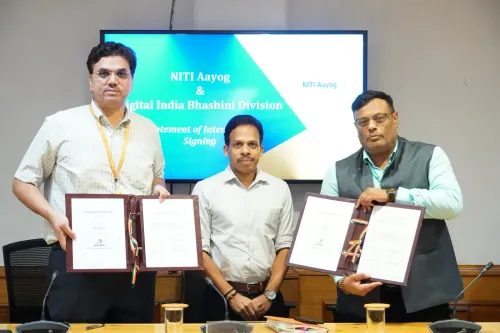
The event was held in partnership with the Embassy of India, Kathmandu and Kathmandu University , building on an existing MoU on language technology.
Focus areas included speech recognition , real-time translation , voice-enabled interaction , and document processing in languages such as Nepali , Newari , and Maithili .
DIBD CEO Amitabh Nag emphasised building AI with communities, not merely for them.
The initiative aims to preserve low-resource languages in the digital age and advance a multilingual AI ecosystem across borders.
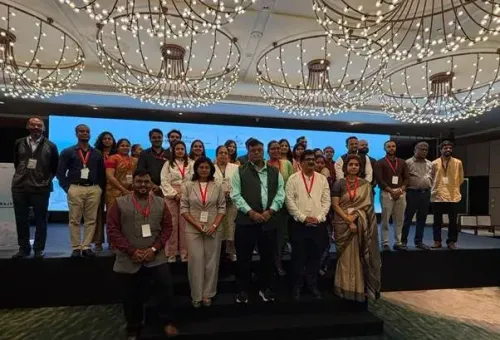
The Digital India Bhashini Division (DIBD) co-organised the Bhashini Sangam international engagement workshop in Kathmandu on 1 September, bringing together government, academia, and technology stakeholders from India and Nepal to advance multilingual and voice-first Artificial Intelligence (AI) for inclusive digital access. The event, held in partnership with the Embassy of India, Kathmandu, and Kathmandu University, built on an existing Memorandum of Understanding (MoU) between DIBD and Kathmandu University on language technology and digital public infrastructure.
What the Workshop Set Out to Achieve
The Bhashini Sangam workshop was designed to accelerate co-creation of language datasets, locally relevant applications, and AI tools rooted in the linguistic and cultural contexts of communities across both countries. Participants explored how multilingual and voice-first AI can expand access to digital services, information, and opportunities in people's preferred languages — a critical need in a region where hundreds of languages and dialects remain underrepresented in mainstream technology.
The initiative also placed explicit emphasis on language preservation, aiming to ensure that voices, knowledge systems, and cultural identities carried by languages such as Nepali, Newari, and Maithili are embedded in next-generation digital tools rather than marginalised by them.
What DIBD Demonstrated
The BHASHINI team conducted live demonstrations of its multilingual AI capabilities during the workshop, covering speech recognition, real-time translation, voice-enabled interaction, and document processing. These showcases illustrated how language AI can make digital access more natural and inclusive for users who are more comfortable in regional or local languages than in English or Hindi.
Local applications in Nepali and other languages were also explored, combining Bhashini's technology ecosystem with Kathmandu University's academic and research capabilities to develop community-relevant solutions.
What the Government Said
Amitabh Nag, Chief Executive Officer of the Digital India BHASHINI Division, underscored the shared linguistic heritage that makes this bilateral collaboration distinctive. 'India and Nepal share languages, communities and a deep cultural connection, creating a unique opportunity to build Language AI together. Our aim is not just to make technology understand Nepali, Newari and Maithili, but to build with these languages, their communities and the people who speak them,' Nag said.
Broader Significance for India-Nepal Digital Ties
The workshop represents a tangible step in translating the India-Nepal MoU on language technology into on-ground outcomes. Bhashini Sangam's cross-border model — turning shared linguistic and cultural connections into shared innovation — positions the initiative as a potential template for similar engagements with other neighbouring countries. This comes amid a broader push by the Centre to extend India's Digital Public Infrastructure (DPI) frameworks beyond its borders, with language AI emerging as a key pillar of that outreach.
As the initiative scales, its ability to produce community-embedded, locally governed language tools — rather than top-down technology transfers — will determine whether it achieves lasting impact for speakers of low-resource languages across South Asia.
Point of View
Using language AI as a bridge to deepen bilateral digital ties — starting with Nepal. But the real test is whether co-creation is substantive or symbolic: past technology partnerships in South Asia have often meant India exports tools and partners lend their names. If Kathmandu University and local communities genuinely shape the datasets and models, this could set a meaningful precedent. If not, it risks being another MoU that produces demonstrations rather than deployment at scale for speakers of Newari or Maithili.
NationPress
1 Sept 2026
Frequently Asked Questions
What is the Bhashini Sangam workshop?
Bhashini Sangam is an international engagement initiative by the Digital India Bhashini Division (DIBD) that brings together government, academia, and technology stakeholders to co-create multilingual language AI. The Kathmandu edition, held on 1 September, focused on advancing Language AI collaboration between India and Nepal.
Which languages does the India-Nepal Language AI initiative cover?
The initiative focuses on languages shared across India and Nepal, including Nepali, Newari, and Maithili. It aims to build AI tools — such as speech recognition and real-time translation — that serve speakers of these languages, many of which are underrepresented in mainstream technology.
What is the MoU between DIBD and Kathmandu University?
The Memorandum of Understanding between the Digital India Bhashini Division and Kathmandu University establishes a framework for collaboration on language technology and digital public infrastructure. The Bhashini Sangam workshop in Kathmandu built directly on this agreement to advance joint research and application development.
What did the BHASHINI team demonstrate at the Kathmandu workshop?
The BHASHINI team showcased live multilingual AI capabilities including speech recognition, real-time translation, voice-enabled interaction, and document processing. These demonstrations highlighted how language AI can make digital services more accessible for users in their preferred regional languages.
Why does the India-Nepal Language AI collaboration matter?
India and Nepal share significant linguistic and cultural overlap, making them natural partners for building AI that serves low-resource language communities. The collaboration also signals India's intent to extend its Digital Public Infrastructure model across South Asia, with language AI as a key instrument of that outreach.