India-New Zealand FTA: CBIC, NZCS sign pact for electronic origin data exchange
Synopsis
India and New Zealand signed a digital customs pact a day before their FTA formally took effect — committing to advance electronic exchange of origin data to ensure businesses can actually access the tariff preferences negotiated. With India currently only New Zealand's 10th-largest export market, the FTA and this supporting MoC mark a serious push to unlock a largely underleveraged trade relationship.
Key Takeaways
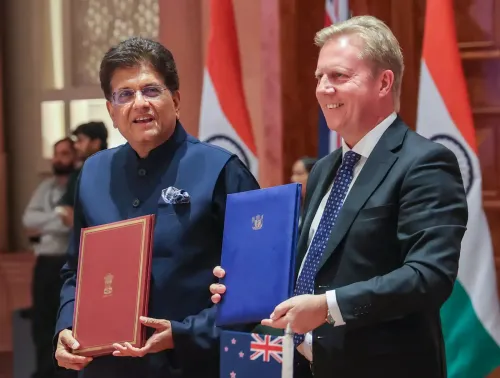
CBIC and New Zealand Customs Service signed the Memorandum of Cooperation on Electronic Origin Data Exchange on 19 October 2026 .
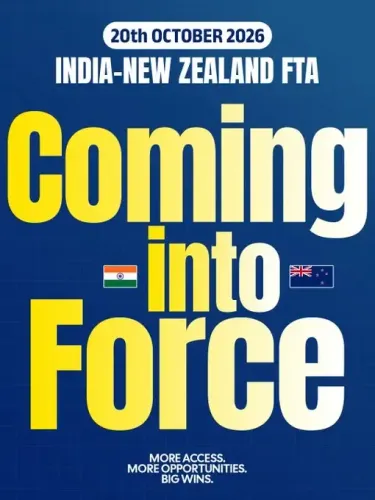
The MoC was signed one day before the India–New Zealand Free Trade Agreement entered into force on 20 October 2026 .
The arrangement enables advance electronic exchange of origin data to reduce information gaps and improve trade certainty.
Indian customs have committed to releasing goods within 48 hours and perishable goods within 24 hours .
India is currently only New Zealand's 10th-largest export market , indicating significant untapped trade potential.
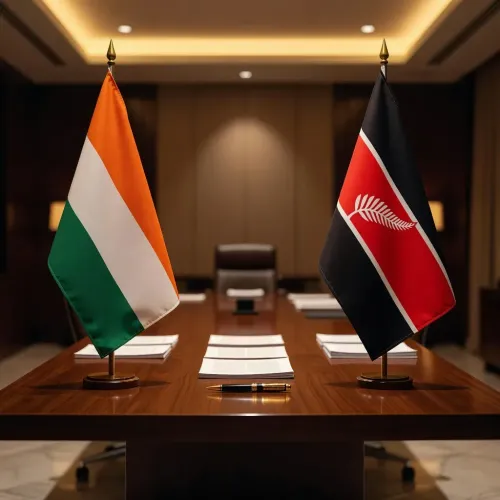
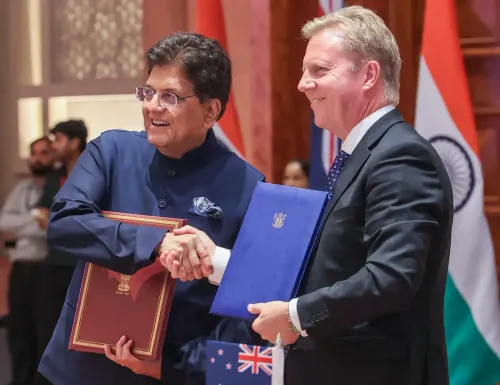
India and New Zealand have signed a landmark customs cooperation agreement to enable the advance electronic exchange of origin data for traded goods, the Ministry of Finance confirmed on Wednesday, 21 October 2026. The Memorandum of Cooperation (MoC) on Electronic Origin Data Exchange of Trade in Goods was formalised on 19 October 2026, one day before the India–New Zealand Free Trade Agreement (FTA) entered into force on 20 October 2026.
What the Memorandum Covers
The MoC was signed between India's Central Board of Indirect Taxes and Customs (CBIC) and the New Zealand Customs Service (NZCS). It commits both agencies to sharing origin data electronically in advance — before goods physically cross borders — reducing information gaps and increasing certainty for traders. According to the official statement, the arrangement will deepen customs cooperation and support the effective implementation of trade facilitation measures aligned with evolving international digital practices.
How It Strengthens the FTA
The MoC is designed to ensure that the trade preferences negotiated under the India–New Zealand FTA are actually utilised by eligible businesses on both sides. In practice, origin data determines whether a shipment qualifies for preferential tariff rates; delays or inaccuracies in that data have historically caused traders to forgo FTA benefits. By digitising the exchange upfront, both governments aim to close that gap. The FTA itself extends benefits beyond tariff cuts, including faster customs clearance procedures. Indian customs have committed to releasing goods within 48 hours, and will endeavour to clear perishable goods within 24 hours.
The Trade Opportunity
Despite India's status as one of the world's largest economies, it is currently only New Zealand's 10th-largest export market — a figure that underscores the significant untapped potential in the bilateral relationship. New Zealand's exports are concentrated in a relatively small number of markets, and diversifying into India could reduce economic risk for the island nation. With the FTA now in force and a digital customs backbone in place, both sides are positioning for a step-change in two-way trade volumes.
Broader Significance
This is not merely a procedural upgrade. The MoC reflects a shared push by both governments to align bilateral customs cooperation with global best practices in digitalisation and trade facilitation. This comes amid a broader wave of such digital customs arrangements India has been pursuing with trading partners — part of a wider effort to streamline cross-border commerce and reduce compliance friction for exporters and importers. The timing, signed a day before the FTA came into force, signals both governments' intent to operationalise the agreement's benefits from day one.
Point of View
As is typically the case. The real bottleneck in FTA utilisation has never been tariffs alone; it has been the paperwork and delays in proving origin, which cause traders to default to standard duties rather than claim preferences. Digitising that exchange upfront is a meaningful structural fix. Yet India remaining New Zealand's 10th-largest export destination despite its scale is a telling number — it suggests that the FTA, however well-designed, is correcting years of neglect rather than building on an already-strong base. The 48-hour clearance commitment for goods and 24-hour commitment for perishables will be the real test of whether intent translates into operational change on the ground.
NationPress
21 Oct 2026
Frequently Asked Questions
What is the India–New Zealand Memorandum of Cooperation on Electronic Origin Data Exchange?
It is a customs cooperation agreement signed on 19 October 2026 between India's Central Board of Indirect Taxes and Customs and the New Zealand Customs Service. It enables advance electronic sharing of origin data for traded goods, reducing delays and ensuring traders can access FTA tariff benefits efficiently.
When did the India–New Zealand Free Trade Agreement come into force?
The India–New Zealand Free Trade Agreement entered into force on 20 October 2026. The supporting electronic origin data exchange MoC was signed the previous day, on 19 October 2026, to ensure the agreement's benefits are operational from the outset.
Why does electronic origin data exchange matter for traders?
Origin data determines whether a shipment qualifies for preferential tariff rates under a free trade agreement. Delays or inaccuracies in that data have historically led traders to forgo FTA benefits and pay standard duties instead. Digitising the process upfront reduces that risk.
How fast will Indian customs clear goods under the new arrangement?
Indian customs have committed to releasing goods within 48 hours under the FTA framework and will endeavour to release perishable goods within 24 hours, according to the official Ministry of Finance statement.
How significant is India as a trading partner for New Zealand?
Despite India's economic scale, it is currently only New Zealand's 10th-largest export market. New Zealand's exports are concentrated in a small number of markets, and the FTA along with the new digital customs pact are intended to diversify that base and grow bilateral trade volumes.