India-Oman CEPA: 25+ states set to gain, from Surat diamonds to Kashmir saffron
Synopsis
The India-Oman CEPA is far more than a bilateral trade deal — it is a structured GCC entry point for over 25 Indian states. From Surat's diamonds to Kashmir's saffron, the breadth of sectors covered signals a deliberate attempt to pull MSME-heavy clusters into global value chains through Oman's strategic Gulf position.
Key Takeaways
The India-Oman CEPA came into effect on Monday, 2 June 2025 , covering more than 25 states and Union Territories .
Key beneficiary sectors include gems and jewellery, textiles, leather, pharmaceuticals, marine products, agri-exports , and engineering goods .
Gujarat (Surat diamonds, Rajkot engineering, Jamnagar brass, Morbi ceramics) and Maharashtra (Mumbai jewellery, Pune auto components) are among the largest expected gainers.
Jammu and Kashmir's Pashmina, saffron, carpets, apples, and walnuts are expected to receive a direct boost.
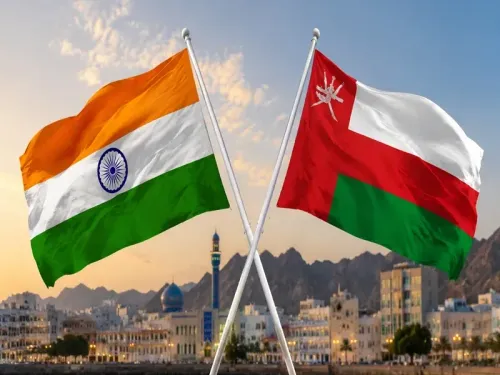
The pact is designed to serve as a GCC market gateway , building on the India-UAE CEPA framework established in 2022 .
Sector-specific guidance on tariff concessions and rules of origin is expected from industry bodies in the coming weeks.
The India-Oman Comprehensive Economic Partnership Agreement (CEPA), which came into effect on Monday, 2 June 2025, is poised to unlock fresh export opportunities for labour-intensive MSME clusters across more than 25 states and Union Territories — spanning gems and jewellery, textiles, leather, handicrafts, agri-exports, marine products, engineering goods, and pharmaceuticals. Beyond bilateral gains, the pact is expected to position India as a springboard into the broader Gulf Cooperation Council (GCC) market through Oman.
Gujarat and Maharashtra: Manufacturing Powerhouses in Focus
In Gujarat, export-oriented clusters stand to gain substantially. Surat's diamond and jewellery sector, Rajkot's engineering goods manufacturers, Jamnagar's brass components industry, and Morbi's ceramics cluster are all expected to benefit from improved trade access. Handicrafts from Kutch, marine products, technical textiles, specialty chemicals, and renewable-energy equipment makers may also see a surge in export orders.
Maharashtra presents an equally broad opportunity set. Jewellery exporters in Mumbai, auto component makers in Pune, processed food industries in Nashik, and engineering firms in Aurangabad are among the sectors likely to benefit. Leather products from Kolhapur, pharmaceuticals, specialty chemicals, electrical equipment, and fruit exports — including grapes and pomegranates — are also expected to gain momentum.
South India: Garments, Automobiles, and Pharma
Tamil Nadu, one of India's major manufacturing hubs, could see gains flowing to Tiruppur's garment exporters, Coimbatore's machinery and pump manufacturers, Chennai's automobile component industry, and leather clusters in Ambur and Vellore. Karnataka's coffee, silk, aerospace components, electronics, and medical devices sectors are also expected to benefit.
Andhra Pradesh's seafood and shrimp exporters, chilli product manufacturers, and electronics producers may gain from the agreement, while Telangana's pharmaceutical and vaccine industries are positioned to strengthen their footprint in Gulf markets. Kerala's spice exports — pepper, cardamom, and nutmeg — alongside coir products, seafood, coconut-based industries, and Ayurvedic products are expected to see stronger trade prospects.
North and East India: From Carpets to Darjeeling Tea
In Uttar Pradesh, export clusters including Moradabad brassware, footwear industries in Kanpur and Agra, Bhadohi carpets, and Noida's electronics manufacturing ecosystem are expected to benefit significantly. Rajasthan's Jaipur gemstone and jewellery sector, Jodhpur's handicraft industry, Kishangarh marble traders, and Bhilwara textile manufacturers are likely to find new export avenues.
Punjab's hosiery sector in Ludhiana, sports goods manufacturers in Jalandhar, bicycle component makers, and agricultural machinery exporters may see increased Gulf demand. Haryana's auto component clusters in Gurugram and Faridabad, along with Panipat's home textile industry, are also likely beneficiaries. In eastern India, West Bengal's Darjeeling tea, leather products from Kolkata, engineering units in Howrah, jute products, and seafood processing industries may gain improved market access.
Jammu and Kashmir, Hill States, and Emerging Clusters
In Jammu and Kashmir, traditional sectors including Pashmina, saffron, carpets, apples, walnuts, and handicrafts are expected to receive a meaningful boost under the CEPA framework. Uttarakhand and Himachal Pradesh could witness stronger exports of pharmaceuticals, herbal products, processed fruits, and organic products. States such as Chhattisgarh, Bihar, and Jharkhand are also expected to gain through rice products, forest produce, silk, honey, engineering goods, and fabricated metal products.
Odisha's seafood exports, handicrafts, and aluminium downstream products may see new opportunities, while Madhya Pradesh's soy products, pulses, spices, and food processing industries could benefit from greater export integration. The Delhi-NCR region stands to gain through apparel exports, fashion accessories, electronics manufacturing, IT-enabled services, and design-intensive MSMEs.
The GCC Gateway: Why Oman Matters Strategically
Oman's strategic location at the mouth of the Persian Gulf makes it a natural transit hub for the wider GCC market, which collectively represents one of India's most significant export destinations. The CEPA is designed not merely as a bilateral arrangement but as a platform for Indian exporters — particularly smaller MSME units — to access a combined Gulf consumer base. This comes amid India's broader push to conclude trade agreements with key partners, following the India-UAE CEPA signed in 2022. Notably, the Oman agreement extends this Gulf connectivity to a far wider cross-section of Indian industry than previous pacts.
With implementation now underway, industry bodies and state export promotion councils are expected to issue sector-specific guidance in the coming weeks on tariff concessions and rules of origin requirements.
Point of View
Not the destination. What is striking is the geographic breadth: from Jharkhand's forest produce to Tiruppur's garments, the pact attempts to pull in MSME clusters that have historically been excluded from FTA benefits due to rules-of-origin complexity. The critical unknown is implementation quality — India's previous trade agreements have often seen gains concentrated in a handful of large exporters while smaller clusters struggled with documentation and compliance. Whether state export promotion councils can translate this framework into ground-level access for Bhadohi carpet weavers or Kutch handicraft artisans will determine whether this CEPA is transformative or merely symbolic.
NationPress
19 Sept 2026
Frequently Asked Questions
What is the India-Oman CEPA and when did it come into effect?
The India-Oman Comprehensive Economic Partnership Agreement (CEPA) is a bilateral trade pact designed to reduce tariffs and expand market access between India and Oman. It came into effect on Monday, 2 June 2025, and is expected to benefit MSME clusters across more than 25 Indian states and Union Territories.
Which Indian states and sectors benefit most from the India-Oman CEPA?
Gujarat, Maharashtra, Tamil Nadu, Uttar Pradesh, and Rajasthan are among the largest expected beneficiaries. Key sectors include gems and jewellery, textiles, leather, pharmaceuticals, marine products, engineering goods, agri-exports, and handicrafts — spanning clusters from Surat's diamond industry to Kerala's spice exporters.
How does the India-Oman CEPA open access to the wider GCC market?
Oman's strategic location at the mouth of the Persian Gulf makes it a natural transit and re-export hub for the broader Gulf Cooperation Council (GCC) market. The CEPA is structured to allow Indian exporters — particularly smaller MSME units — to use Oman as a gateway into the combined Gulf consumer base, building on the India-UAE CEPA framework established in 2022.
What does the India-Oman CEPA mean for Jammu and Kashmir?
Traditional sectors in Jammu and Kashmir — including Pashmina, saffron, carpets, apples, walnuts, and handicrafts — are expected to receive a direct boost under the CEPA framework. These are high-value, geographically-specific products that stand to gain from improved tariff access and Gulf market visibility.
What happens next after the India-Oman CEPA comes into effect?
With implementation now underway, industry bodies and state export promotion councils are expected to issue sector-specific guidance on tariff concessions and rules of origin requirements in the coming weeks. Exporters will need to comply with these rules to claim preferential duty rates under the agreement.