Steel Industry Safety Council: Govt sets up apex body for steel sector
Synopsis
India's Ministry of Steel has created a first-of-its-kind apex safety council — the SISC — for the steel sector, backed by a technical directorate, the SISD. With finished steel output up 6% in 2026 and consumption outpacing production, the move signals that safety governance must now keep pace with industrial ambition.
Key Takeaways
The Ministry of Steel announced the creation of the Steel Industry Safety Council (SISC) on 28 September 2026 .
The SISC will be chaired by the Secretary, Ministry of Steel and include representatives from DGMS , PESO , NDMA , and steel technology institutions.
A Steel Industry Safety Directorate (SISD) will provide technical support, covering areas from blast furnaces to occupational health and disaster management.
India's finished steel production reached 15.9 million tonnes from January to August 2026 , up 6% year-on-year.
The SISD will develop Steel Industry Safety Standards and Guidelines tailored to Indian conditions and oversee periodic safety audits.
The Ministry of Steel on 28 September 2026 announced the establishment of a Steel Industry Safety Council (SISC) as an apex-level safety body for India's steel sector, aimed at strengthening safety standards, accident prevention, and safety awareness across the industry. The decision, conveyed through an official statement, marks a significant institutional step toward building a more robust safety culture in one of India's most critical industrial sectors.
Structure and Leadership
The SISC will be chaired by the Secretary, Ministry of Steel, and will bring together senior ministry officials, chief executives of integrated steel producers, and representatives from key technical and statutory organisations. These include the Directorate General of Mines Safety (DGMS), the Petroleum and Explosives Safety Organisation (PESO), the National Disaster Management Authority (NDMA), and recognised steel technology institutions.
The Council's mandate covers assessing the safety situation across the steel industry, facilitating improvements in safety practices, approving industry safety standards and recommended practices, and reviewing serious accidents, near-miss incidents, and accident trends.
Steel Industry Safety Directorate: Technical Backbone
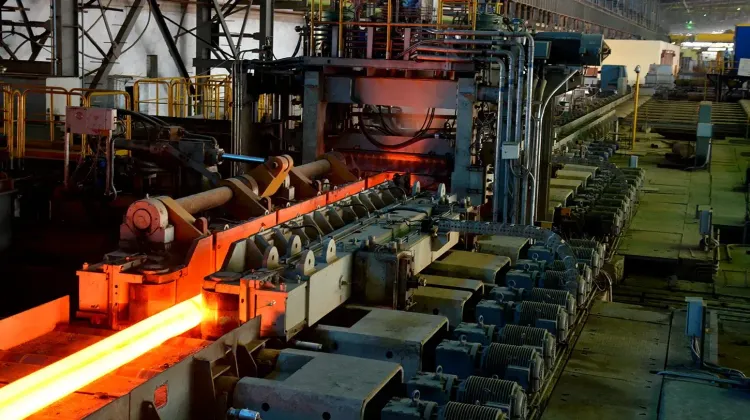
To provide professional and technical support to the Council, a dedicated Steel Industry Safety Directorate (SISD) will also be established. The SISD will house expertise spanning process safety, blast furnaces, steel melting, rolling mills, coke ovens, refractory systems, electrical and mechanical safety, occupational health, fire engineering, and disaster management.
The Directorate will oversee implementation of the Council's decisions, conduct periodic safety audits, maintain and disseminate accident and near-miss data, investigate serious safety incidents, and develop Steel Industry Safety Standards, Recommended Practices and Guidelines tailored specifically to Indian conditions.
Why This Matters for India's Steel Sector
India's steel industry is among the world's largest and fastest-growing, making workplace safety a matter of national industrial consequence. The creation of a dedicated apex body signals a shift from ad hoc safety compliance toward a structured, institution-led prevention framework. Notably, this is the first time a dedicated apex-level safety council has been constituted specifically for the steel sector.
This comes amid strong output momentum in the industry. Finished steel production reached 15.9 million tonnes between January and August 2026, a 6% rise compared to the same period in 2025. Finished steel consumption grew even faster, driven by sustained activity in infrastructure, construction, and manufacturing — sectors at the heart of India's economic expansion.
What Happens Next
The SISC and SISD are expected to be operationalised in the coming months, with the Directorate tasked with issuing its first set of safety standards and guidelines suited to Indian conditions. Industry bodies and steel producers will be closely watched for their level of engagement with the new framework, particularly on accident reporting and near-miss disclosure — areas where transparency has historically been uneven.
Point of View
But the real test lies in enforcement rather than structure. India's steel sector has a patchy record on accident reporting, and a council dominated by ministry officials and industry chiefs risks becoming a compliance theatre rather than a genuine safety watchdog. The inclusion of DGMS and NDMA is a positive signal, but the SISD's independence — particularly its authority to investigate serious incidents without industry interference — will determine whether this body changes behaviour on the shop floor. With output growing at 6% and consumption running even faster, the pressure to cut corners on safety only intensifies; the new framework must be built to resist that pressure, not accommodate it.
NationPress
29 Sept 2026
Frequently Asked Questions
What is the Steel Industry Safety Council (SISC)?
The Steel Industry Safety Council (SISC) is a newly announced apex-level safety body for India's steel sector, set up by the Ministry of Steel on 28 September 2026. It will be chaired by the Secretary of the Ministry of Steel and will include senior officials, steel industry chief executives, and representatives from statutory bodies such as DGMS, PESO, and NDMA.
What will the SISC do?
The SISC will assess safety conditions across the steel industry, approve safety standards and recommended practices, review serious accidents and near-miss incidents, and provide directions for strengthening safety awareness and training. It will also oversee the work of the Steel Industry Safety Directorate (SISD).
What is the Steel Industry Safety Directorate (SISD)?
The SISD is a technical support body being established alongside the SISC. It will conduct periodic safety audits, investigate serious incidents, maintain accident and near-miss data, and develop Steel Industry Safety Standards and Guidelines suited to Indian conditions, covering areas from blast furnaces to fire engineering and occupational health.
How is India's steel sector performing in 2026?
India's finished steel production reached 15.9 million tonnes between January and August 2026, a 6% increase over the same period in 2025. Finished steel consumption grew even faster, supported by strong activity in infrastructure, construction, and manufacturing.
Why is a dedicated steel safety council significant?
This is the first apex-level safety institution constituted specifically for India's steel sector. It signals a move from fragmented, ad hoc safety compliance toward a structured, institution-led framework — particularly important as India's steel output and workforce continue to expand rapidly.