US-Iran Hormuz pact to cut crude prices, boost India: ASSOCHAM

Synopsis
A US-Iran deal struck in Switzerland to secure the Strait of Hormuz — through which a fifth of global oil flows — could be a quiet macro windfall for India. ASSOCHAM says lower crude prices would shrink the import bill, ease rupee pressure, and free up fiscal space for infrastructure. The real question is whether the diplomatic framework holds long enough for India to bank those gains.
Key Takeaways
ASSOCHAM welcomed a US-Iran agreement reached in Switzerland to secure commercial shipping through the Strait of Hormuz .
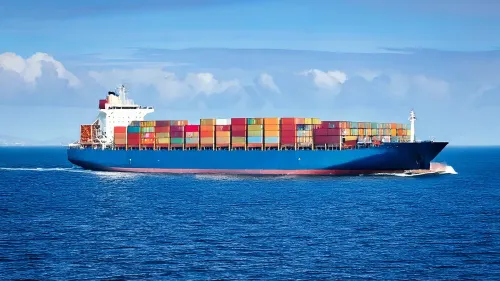
The strait carries approximately one-fifth of global petroleum supply , making it a critical chokepoint for energy markets.
ASSOCHAM President Nirmal K.
Minda called the framework 'a concrete step towards restoring stability to global energy markets.' Secretary General Saurabh Sanyal said lower crude prices would reduce India's oil import bill and ease pressure on the rupee .
Chief Economist S.P.
Sharma said softer crude would cut fuel and transport costs, reduce inflation, and free up fiscal space for infrastructure and welfare spending.
ASSOCHAM urged the government to pass on price benefits to consumers and industry in a timely and transparent manner.
Apex industry body ASSOCHAM on Monday, 22 June welcomed the agreement reached between the United States and Iran in Switzerland to guarantee safe commercial shipping through the Strait of Hormuz, saying the deal is expected to ease global crude oil prices and deliver significant economic benefits to India. The chamber described the breakthrough as a concrete step toward restoring stability to global energy markets amid heightened geopolitical tensions in the region.
Why the Strait of Hormuz Matters
The Strait of Hormuz is the world's most critical oil transit chokepoint, with approximately one-fifth of global petroleum supply passing through it. In recent months, geopolitical risks tied to the strait have contributed to elevated energy prices worldwide. ASSOCHAM President Nirmal K. Minda said the framework reached after intensive diplomatic talks marks a meaningful shift. 'The framework agreed upon after intensive diplomatic talks marks a concrete step towards restoring stability to global energy markets,' Minda said.
India's Import Bill and Currency Outlook
India ranks among the world's largest crude oil importers, making it acutely sensitive to international oil price movements. ASSOCHAM Secretary General Saurabh Sanyal said a sustained decline in crude prices could significantly reduce the country's oil import bill, which remains a major component of the current account deficit. 'A sustained decline in oil prices will significantly reduce the import bill, improving the balance of payments position and providing greater external sector stability,' Sanyal said. He added that reduced foreign exchange demand for oil financing would also ease pressure on the rupee, supporting currency stability and investor confidence in Indian financial markets.
Inflation Relief and Fiscal Headroom
ASSOCHAM Chief Economist S.P. Sharma said softer crude prices would directly reduce fuel and transportation costs across supply chains, easing inflationary pressures. 'Lower crude prices translate directly into reduced fuel and transport costs, easing inflationary pressures across the supply chain. This also provides the government with additional fiscal headroom, and savings on fuel subsidies can be redeployed towards infrastructure investment and social welfare,' Sharma said. The benefit, he noted, would extend across sectors — from manufacturing and logistics to agriculture and retail.
What ASSOCHAM Has Called For
The industry body urged Indian businesses to use the period of lower energy costs to accelerate capacity expansion, improve operational efficiencies, and sharpen export competitiveness. It also called on the government to ensure that the gains from lower crude prices are passed on to consumers and industry in a timely and transparent manner. ASSOCHAM said it would continue to monitor developments and engage with policymakers to help Indian industry maximise the economic gains from the agreement.
Broader Context
This comes amid a wider recalibration of energy geopolitics, with diplomatic channels between Washington and Tehran showing rare signs of convergence. For India — which has historically navigated oil diplomacy with both the West and the Gulf — a stable Hormuz corridor reduces a key supply-side risk that has weighed on macroeconomic planning. The development, if sustained, could offer the Reserve Bank of India (RBI) additional room to manage inflation expectations without aggressive monetary tightening.
Point of View
But the harder question is durability. US-Iran diplomatic frameworks have a poor track record of holding, and a single breakdown in the Strait of Hormuz could reverse any crude-price relief within days. India's structural vulnerability — importing over 85% of its crude needs — does not change with one agreement. The real policy test is whether the government uses a potential window of lower prices to accelerate strategic petroleum reserve capacity and diversify supplier relationships, rather than simply banking a short-term subsidy saving.
NationPress
22 Jun 2026
Frequently Asked Questions
What is the US-Iran Hormuz agreement and why does it matter for India?
The agreement, reached in Switzerland, commits the US and Iran to ensuring safe commercial shipping through the Strait of Hormuz, a chokepoint for roughly one-fifth of global oil supply. For India, one of the world's largest crude importers, the deal matters because sustained lower oil prices would reduce the import bill, ease rupee pressure, and help contain inflation.
How could lower crude oil prices benefit the Indian economy?
Lower crude prices reduce input costs across manufacturing, logistics, agriculture, and retail. They also shrink India's current account deficit, ease foreign exchange demand, and give the government fiscal headroom by cutting fuel subsidy spending — funds that could be redirected to infrastructure and social welfare.
What has ASSOCHAM asked the government to do?
ASSOCHAM has called on the government to pass on the benefits of lower crude prices to consumers and industry in a timely and transparent manner. It has also urged Indian businesses to use the lower-energy-cost window to expand capacity and improve export competitiveness.
Who are the key ASSOCHAM officials who commented on the Hormuz deal?
Three ASSOCHAM officials commented: President Nirmal K. Minda, who called the framework a concrete step toward market stability; Secretary General Saurabh Sanyal, who highlighted the impact on India's import bill and the rupee; and Chief Economist S.P. Sharma, who focused on inflation relief and fiscal headroom.
Could the Hormuz agreement affect the rupee and inflation in India?
According to ASSOCHAM, yes. Reduced foreign exchange demand to finance oil imports would ease pressure on the rupee, while lower fuel and transport costs would reduce inflationary pressures across supply chains. However, these benefits depend on the agreement remaining in force over a sustained period.